
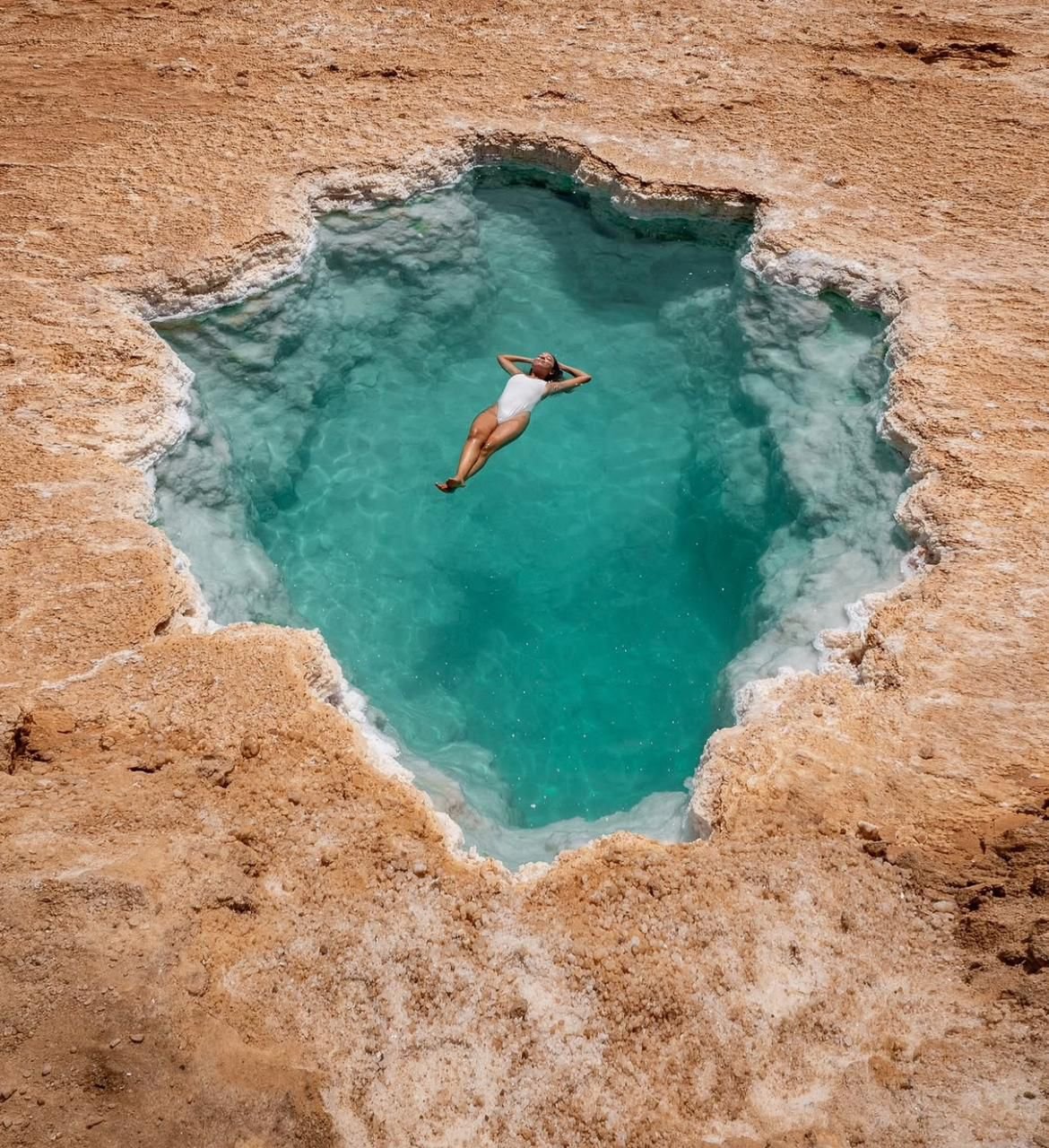
Siwa Salt Lakes Egypt are famous for vivid turquoise water, white salt edges and the unusual feeling of floating with almost no effort. The photos are real, but they rarely show the complete setting: many of the brightest pools sit inside an active salt-mining landscape, depths change, facilities are limited and the experience is far better when you arrive with a local driver, fresh rinse water and a sensible safety plan.
This guide explains what the Siwa salt lakes and pools actually are, which experience travellers usually mean, how to get there from Siwa town, the best season and time of day, what floating feels like, what to pack and the mistakes that can turn an extraordinary visit into an uncomfortable one.
If you are planning the entire oasis rather than only the lakes, start with our complete Siwa Oasis Egypt travel guide. For the long journey from the capital, see the separate Cairo to Siwa Oasis transport guide.
Siwa salt lakes: the quick answer
- Where: Siwa Oasis in Egypt’s Western Desert, with the most photographed turquoise pools in salt-extraction areas east of town.
- Best season: October to April for more comfortable air temperatures.
- Best time of day: morning for cooler conditions and fewer visitors; stronger midday light for brighter turquoise photographs.
- Time needed: allow roughly half a day when transport, changing, floating and rinsing are included.
- How to go: local driver, tuk-tuk or an organised Siwa sightseeing programme that knows the current accessible pools.
- Essential items: water shoes, towel, sun protection, drinking water and separate fresh water for rinsing.
- Main safety rule: do not dive, jump or enter an unfamiliar pool before a local guide confirms the safe access point and depth.
What are the Siwa salt lakes?
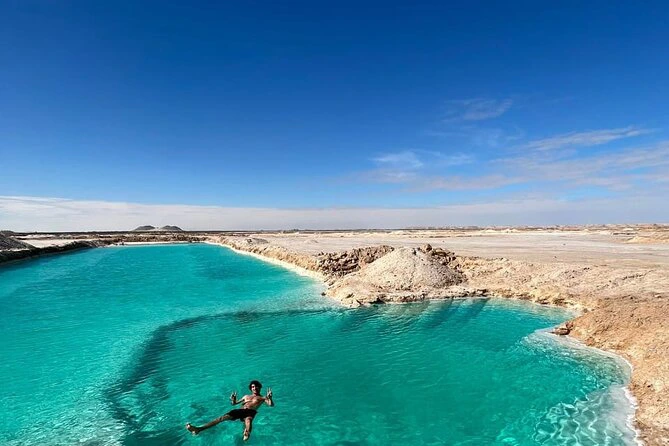
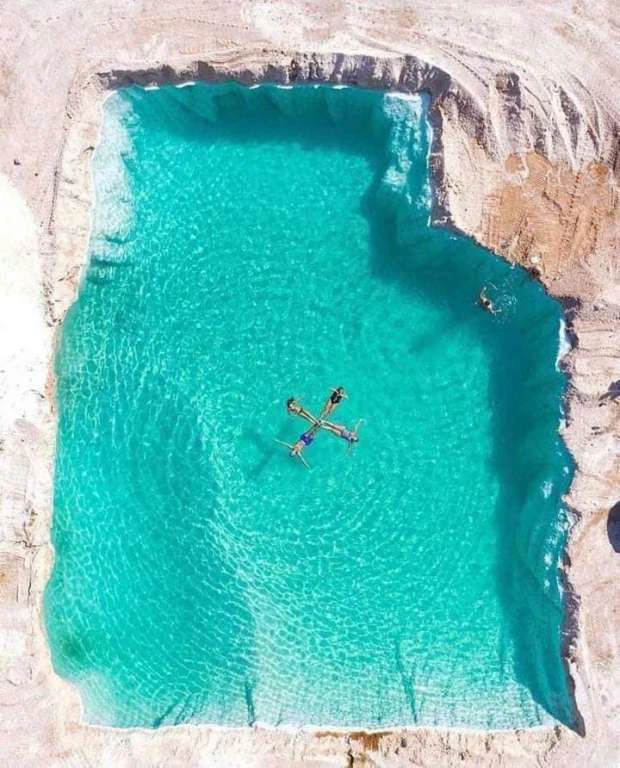
“Siwa salt lakes” is used online for several different water landscapes around the oasis. Large natural saline lakes such as Birket Siwa form part of the broader oasis environment. The small, intensely blue pools that dominate social media are often connected to salt extraction and sit within a working mine landscape rather than a purpose-built swimming resort.
That distinction matters. A broad natural lake, a small salt pool and a freshwater or hot spring do not offer the same experience. They may have different access, water depth, colour, facilities and safety conditions. A traveller asking only for “the salt lake” can therefore be taken to a place that looks very different from the photo saved on their phone.
Show your local driver the type of pool you hope to see, but stay flexible. Salt work, changing water levels, road conditions and visitor access can alter which pools are suitable on a particular day. No responsible operator should promise that one exact Instagram pool will always be available.
How did Siwa’s salt lakes and pools form?
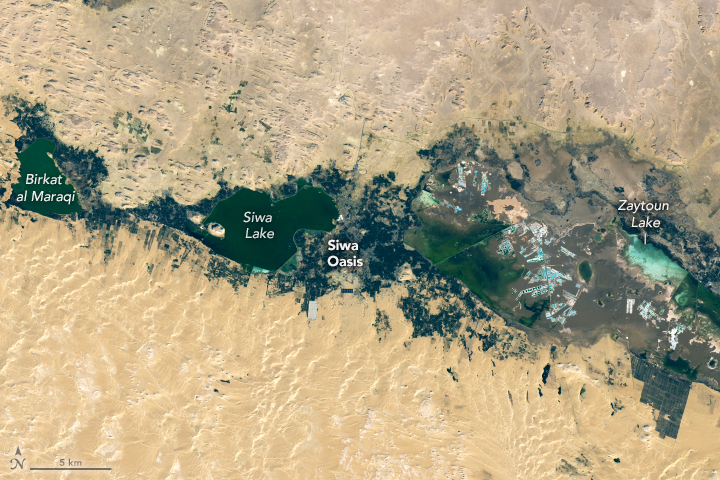
Siwa sits in a natural depression below sea level. Groundwater and springs feed the oasis, while extremely low rainfall, intense evaporation and limited natural drainage concentrate salts in the soil and surface water. The result is not one single lake but a changing system of broad saline lakes, springs, cultivated land, drainage areas and salt-extraction ponds.
NASA Earth Observatory explains that Siwa’s surface water is linked to shallow groundwater supplied by the Nubian Sandstone Aquifer System. Satellite images also show how olive groves, date palms, lakes and evaporation ponds sit beside one another. This is why the landscape looks both natural and worked: water sustains the oasis, while salt and drainage shape where pools appear and how their surface area changes.
Natural lake or salt-mine pool: which experience do you want?
| Experience | What it looks like | Best for | What to know |
|---|---|---|---|
| Large saline lake | Wide horizon, natural shoreline and changing reflections | Landscape views and sunset | Not every shore is comfortable or suitable for entering |
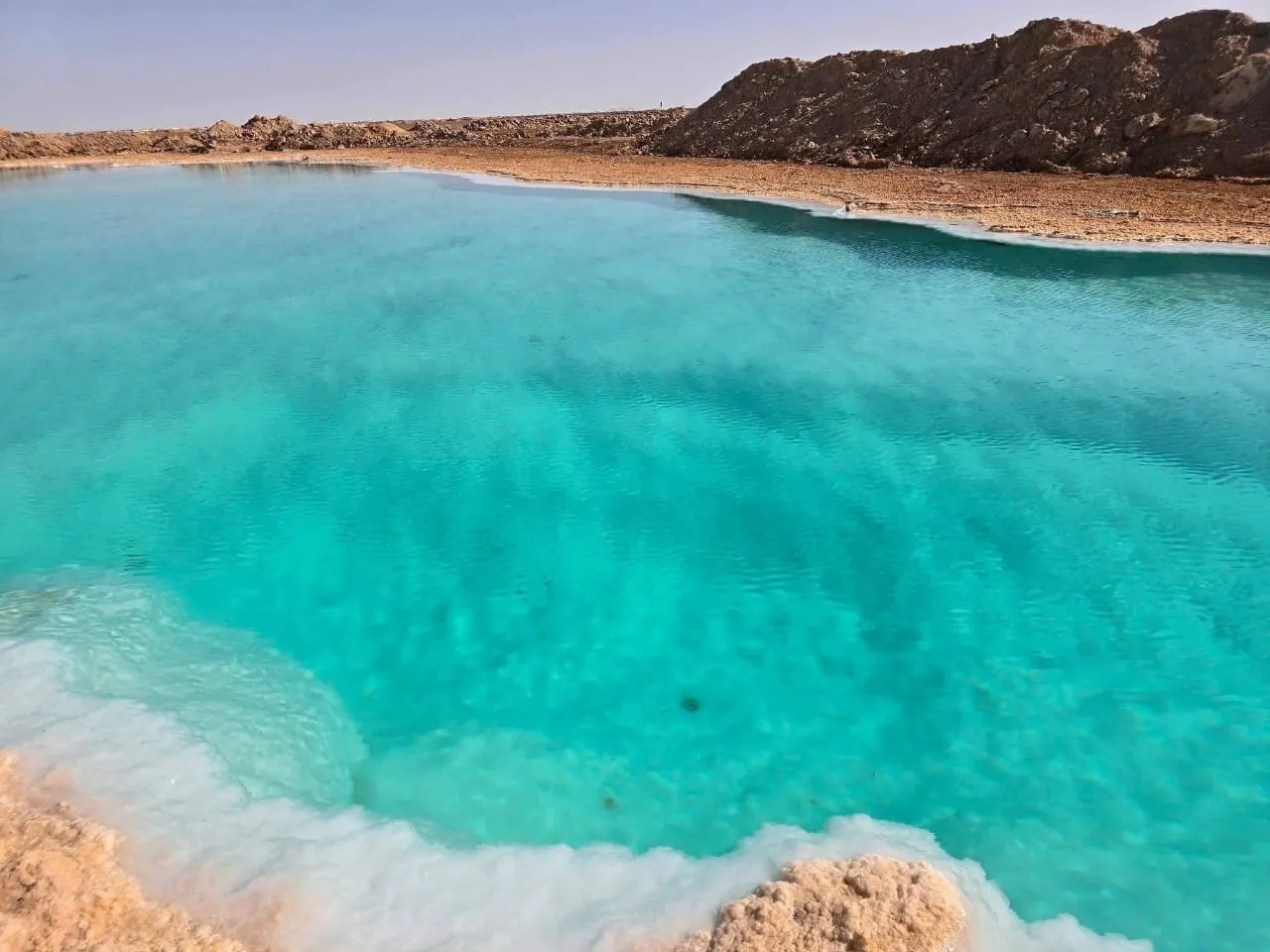
| Turquoise mining pool | Bright blue-green water with sharp white salt edges | Floating and photography | Working industrial setting; depth and access vary |
| Freshwater or hot spring | Palm-framed pool or desert spring | Rinsing and a contrasting water experience | Not a salt lake; conditions and etiquette differ |
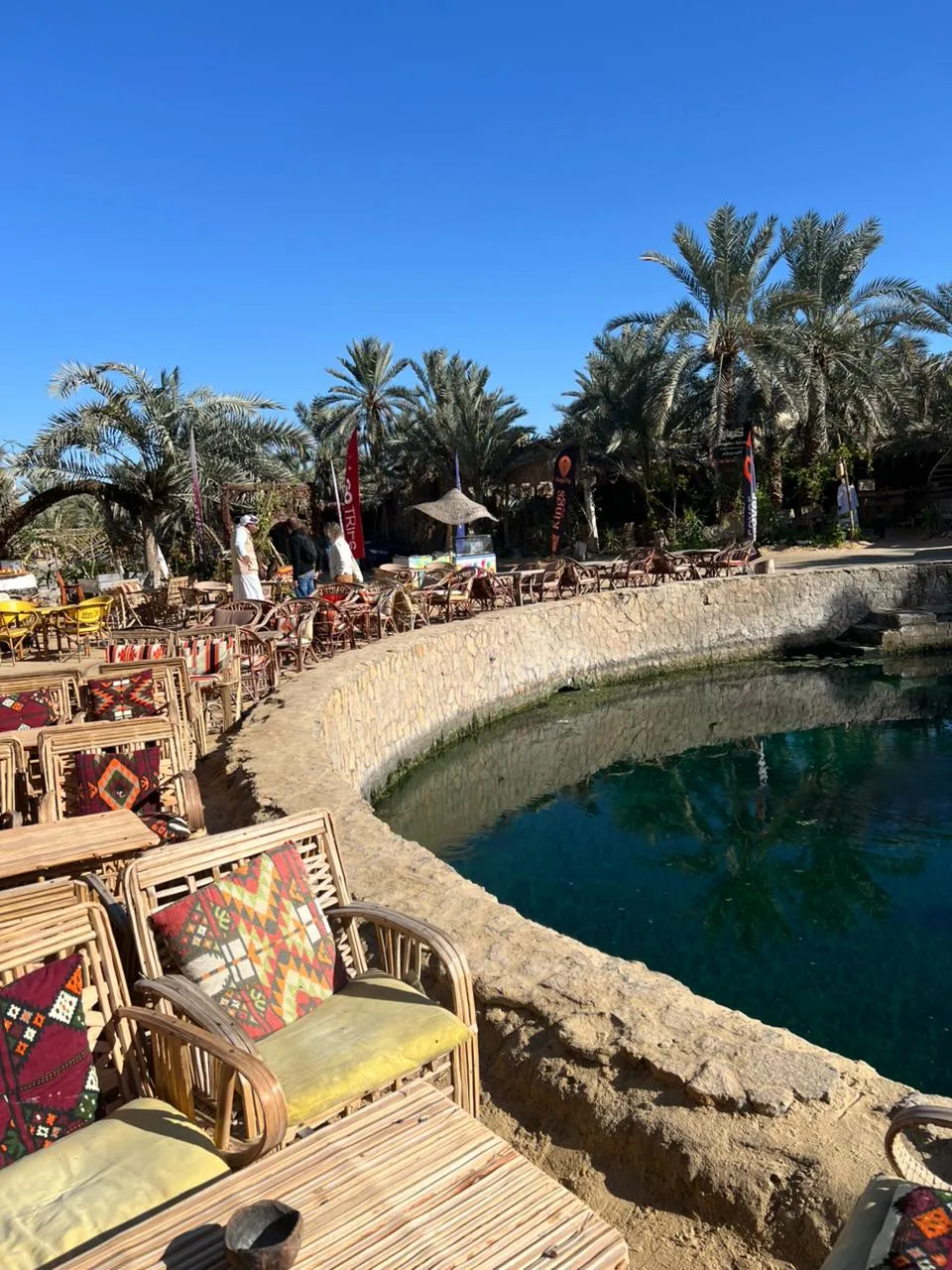
| Fatnas/Birket Siwa sunset | Palms, lake views and sunset cafés | Relaxed evening scenery | Different from the small viral turquoise pools |
A good half-day plan can combine one safe turquoise salt pool with a freshwater rinse and a sunset viewpoint. Trying to visit every water site in one afternoon usually means more driving, less time floating and a rushed sunset.
Why do you float in Siwa’s salt pools?
Highly saline water is denser than ordinary freshwater, so it supports more of your body at the surface. Instead of swimming in the usual way, most visitors lean back slowly, relax and allow the water to hold them. The sensation can feel surprising at first because your legs and torso rise more easily than expected.
Floating easily does not make every pool automatically safe. Depth can change abruptly, salt edges may be sharp and there may be no lifeguard or built facilities. Never use the idea that “you cannot sink” as a reason to jump in, enter alone or ignore local instructions.
How to enter and float safely
- Ask your driver or guide to identify the usual entry point.
- Keep water shoes on until you are clear of sharp salt crust.
- Step in slowly; do not dive or jump.
- Lower yourself into a seated position before leaning back.
- Keep your face and eyes away from splashes.
- Float calmly rather than trying powerful swimming strokes.
- Exit slowly and rinse with fresh water as soon as practical.
Is swimming in the Siwa salt lakes safe?
Many visitors float without problems when they use a known pool and follow basic precautions. The main risks are not mysterious: salt water can sting cuts and recently shaved skin, concentrated brine is extremely uncomfortable in the eyes or mouth, crystallised edges can cut bare feet and an unfamiliar pool can be deeper than it appears.
Skip the swim if you have an open wound, irritated skin or a medical reason to avoid concentrated salt water. The lakes are a travel experience, not a substitute for medical care. Claims that one swim will cure a health condition should be treated cautiously.
Do not enter after shaving
Freshly shaved or scratched skin can sting intensely. Avoid shaving immediately before the visit and check for small cuts you may not have noticed. Children should be supervised closely because rubbing wet eyes is an instinctive reaction.
Protect your eyes and camera
Do not splash friends, put your face underwater or open your eyes below the surface. Keep phones and cameras in a secure dry case. Salt residue can damage electronics, jewellery and metal fittings even when the device is described as water resistant.
Use water shoes
White salt crust can look soft from a distance but feel sharp underfoot. Water shoes or secure sandals protect your feet on the approach and exit. Loose flip-flops can be awkward on uneven salt ridges.
When is the best time to visit Siwa Salt Lakes Egypt?
October to April is the easiest period for most international visitors because sightseeing temperatures are more comfortable. Winter days can be pleasant, but the water may feel cold when you first enter and evenings cool quickly. March, April, October and November often provide a useful balance between warmer water and manageable desert heat. Compare seasonal temperatures and wind conditions in our best time to visit Siwa Oasis guide.
Summer visits are possible, but the exposed white salt landscape reflects heat and offers little natural shade. A very hot midday visit should not be planned only because the water looks bluest in overhead sun.
Morning versus midday
Morning is better for comfort, softer light and a calmer atmosphere. Midday sun can make turquoise colours appear stronger in photographs because light reaches deeper into the water, but it also increases heat, glare and dehydration risk. Choose according to the experience you value, not only social-media colour.
Late afternoon
Late afternoon can be comfortable, but shadows may make small pools look darker and access time may be limited. It works well if your plan continues to Fatnas Island for sunset, provided the driver allows enough time to rinse and travel between stops.
How to get to the salt lakes from Siwa town
The accessible pool used on a particular day determines the actual journey time. Online guides quote different distances because they may describe the edge of the mining area, a deeper pool, a natural lake or a different starting point in town. Plan for a local drive rather than assuming the pools are a short walk from Shali Fortress.
A tuk-tuk or local vehicle is usually more practical than cycling. The landscape has little shade, internal tracks can be rough and the most photogenic pool is not always obvious. A driver who knows the active access routes reduces wasted time and helps you avoid industrial traffic.
Confirm the following before departure:
- Is the quoted price for the vehicle or per person?
- How long will the driver wait?
- Does the plan include a freshwater rinse stop?
- Are entrance conditions or local fees different today?
- Which exact pool is currently safe and accessible?
- Will there be a private changing place?
Our 3-Day Siwa Oasis Tour from Cairo includes the lakes within a complete oasis programme. Travellers wanting more time for photography, culture and the Great Sand Sea should compare the 4-Day Siwa Oasis Tour from Cairo.
What should you bring?
| Item | Why it matters |
|---|---|
| Water shoes | Protect feet from sharp crystallised salt and rough ground |
| Fresh rinse water | Removes concentrated salt before it dries on skin and hair |
| Drinking water | The exposed landscape and reflected heat cause dehydration |
| Towel and dry clothes | Facilities and changing areas may be basic or unavailable |
| Sun protection | Hat, sunglasses and sunscreen reduce glare and exposure |
| Dry bag | Protects phone, documents and small electronics |
| Modest cover-up | Useful when moving between the pool, vehicle and local areas |
Swimwear and local etiquette
Siwa has a conservative local culture. Wear swimwear at the pool, but carry a shirt, dress or cover-up for the journey and any stops in villages or public spaces. Follow your local guide’s advice and avoid photographing workers or residents without permission.
What facilities should you expect?
Do not expect a conventional beach club. Some popular stops may have simple seating or a changing shelter, while quieter pools may have nothing at all. Toilets, showers, shaded cafés, lockers and lifeguards should never be assumed.
Bring what you need, leave no rubbish and do not move equipment or enter areas being used by mine workers. The industrial activity is part of the reality of the site, not background scenery arranged for visitors.
How long should you spend at the lakes?
Thirty to sixty minutes at the water can be enough for floating and photographs, but the complete outing needs longer. Add travel from town, time to locate the chosen pool, changing, a freshwater rinse and any additional stop. For most itineraries, a relaxed half day is more realistic than treating the lakes as a quick photo stop.
Longer is not always better. Concentrated salt drying on the skin becomes uncomfortable, and the exposed landscape can be tiring. Float, take photographs, rinse and continue to the next part of Siwa while the experience still feels enjoyable.
A practical half-day salt-lake itinerary
- Leave Siwa town: meet the local driver after breakfast or in the early afternoon.
- Salt pool: confirm the safe entry, float calmly and photograph without blocking workers or other visitors.
- Freshwater rinse: use prepared water or continue to an agreed spring.
- Rest and drink: rehydrate, change into dry clothes and protect equipment from salt residue.
- Sunset option: continue to Fatnas Island or return to town for Shali Fortress.
Can you combine the salt lakes with a desert safari?
Yes, but they are different environments. The salt-mine pools are normally visited from the oasis, while the Great Sand Sea requires an appropriate 4×4, local experience and any current permissions. Our Siwa desert safari guide explains the 4×4 route, Bir Wahed and the difference between an oasis sightseeing day and a desert session. Bir Wahed is often described in the same articles as the salt lakes, but it is a separate desert spring experience.
If sandboarding is a priority, plan it during the Great Sand Sea excursion rather than near the salt pools. See the practical Siwa sandboarding guide for terrain, safety and what to wear.
Do not let a driver compress the salt pools, historic sites and a full desert safari into an unrealistic few hours. A dedicated oasis sightseeing day plus a separate 4×4 desert session produces a better and safer trip.
Photography without damaging the experience
The most convincing photos usually come from simple planning: clean lens, secure footing, uncluttered background and light that reveals the water colour. A wide horizontal frame shows the contrast between turquoise water, white salt and desert. A lower angle can emphasise the crystalline edge, but never step onto unstable salt only to improve a composition.
Ask before photographing workers, guides or other visitors. Do not use drones without checking the current Egyptian rules and local restrictions. A beautiful image is not worth entering a closed work zone or delaying industrial vehicles.
Responsible travel at Siwa’s salt landscape
Take every bottle, tissue and plastic bag back to town. Use established vehicle tracks, avoid breaking salt formations for souvenirs and do not leave sunscreen bottles or wet clothing behind. Book local drivers and guides so tourism income supports people who understand the landscape.
Egypt’s official tourism portal describes Siwa’s salt lakes and springs as part of the oasis’s distinctive natural character. Read the official Experience Egypt Siwa overview and the natural protectorates information for broader destination context.
Common mistakes to avoid
- Assuming every blue pool is a natural lake. Many famous images come from salt-extraction pools.
- Going without a knowledgeable local driver. Access and suitable pools change.
- Entering without checking depth. Never dive or jump into an unfamiliar pool.
- Shaving immediately beforehand. Tiny cuts can sting severely.
- Forgetting rinse water. Salt crystallises quickly as it dries.
- Walking barefoot. Crystallised edges can be sharp.
- Putting your face underwater. Keep concentrated brine away from eyes and mouth.
- Expecting resort facilities. Prepare for a basic working landscape.
- Promising yourself one exact photo location. Pool appearance and access can change.
Frequently asked questions
Can you swim in Siwa’s salt lakes?
Visitors normally float rather than swim. Enter slowly at a locally recommended point and avoid strong strokes that splash concentrated salt water toward the face.
Can you sink in the Siwa salt pools?
Highly saline water provides strong buoyancy, but that does not remove normal water risks. Follow local guidance, supervise children and never jump into an unfamiliar pool.
Are the bright turquoise pools natural?
Siwa has natural saline lakes, but many of the small vivid pools shown online are associated with active salt extraction. Ask which type of site your driver plans to visit.
Do the salt lakes have an entrance fee?
Access arrangements can change and different pools may be managed differently. Confirm the current situation with your driver rather than relying on an old price or opening-time post.
How far are the salt lakes from Siwa town?
The answer depends on which lake or pool is meant. The most photographed pools are reached by a local drive into the salt area; allow a half day rather than treating them as a short walk.
What is the best time for blue photographs?
Stronger overhead light often creates brighter turquoise water, but midday is hotter and has more glare. Morning offers better comfort and can be quieter.
Can children visit the Siwa salt lakes?
Families can visit, but adults should provide constant close supervision, prevent splashing and choose an easy entry recommended by a local guide. Bring plenty of rinse water.
Should I visit the salt lakes or the Great Sand Sea?
They are complementary, not substitutes. The lakes are a distinctive oasis water experience; the Great Sand Sea is a separate 4×4 desert adventure. A three- or four-day itinerary can include both.
Plan a private Siwa Oasis tour
Egypt Safari Travel can arrange the Cairo transfer, Siwa accommodation, historic sites, a locally guided salt-lake visit and a properly planned Great Sand Sea safari. Before choosing dates, compare our 3-, 4- and 5-day Siwa itineraries, the latest Siwa tour cost guide and our locally checked Siwa hotels and eco-lodges guide.
Explore our Siwa Oasis tours or contact us for a private itinerary based on your travel dates, group size and preferred pace. A balanced private plan can combine the salt lakes with the Oracle of Siwa, Old Shali and a separate Great Sand Sea session without rushing the oasis.