A Siwa desert safari is the best way to enter the Great Sand Sea safely and experience the landscape beyond the oasis roads. A well-planned trip uses a local 4×4 and an experienced desert driver, usually combining dune driving, sandboarding, a spring stop when access allows, Bedouin tea and sunset. This 2026 guide explains the real choices, likely costs, safety questions and how to choose the right safari without paying for a vague “desert tour.”
If the safari is the main reason for your journey, our private 4-day Siwa Oasis tour from Cairo is the strongest match: its published program includes a Great Sand Sea 4×4 safari, sandboarding, hot and cold spring stops and sunset. Travellers with less time can compare it with our 3-day Siwa tour, then ask us exactly which desert experiences are available for their dates.
What is the Great Sand Sea near Siwa?
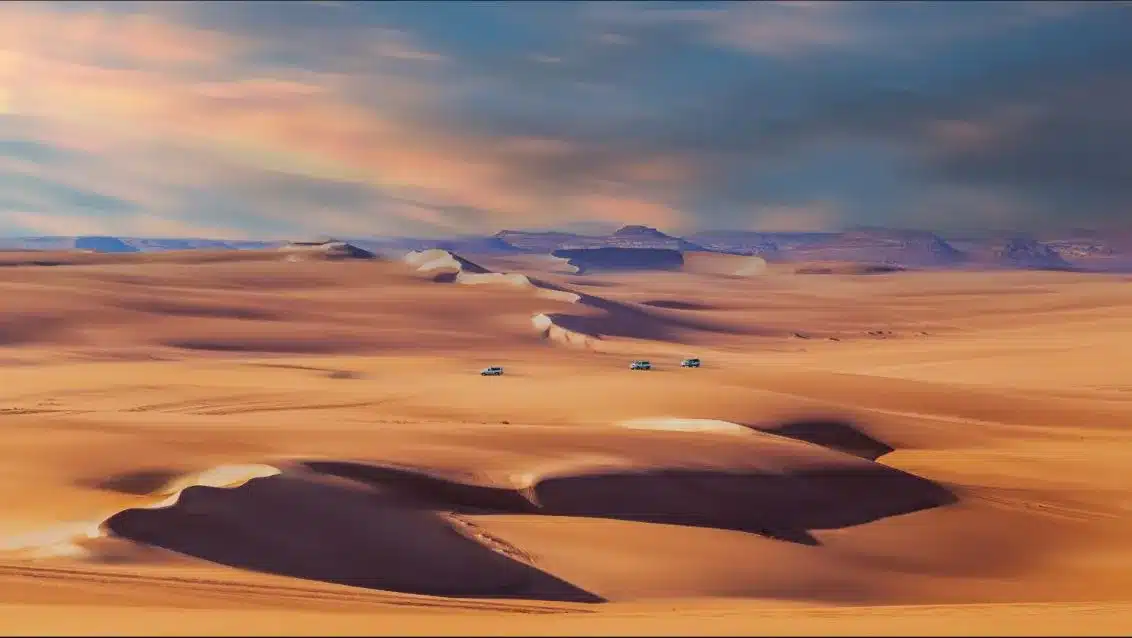
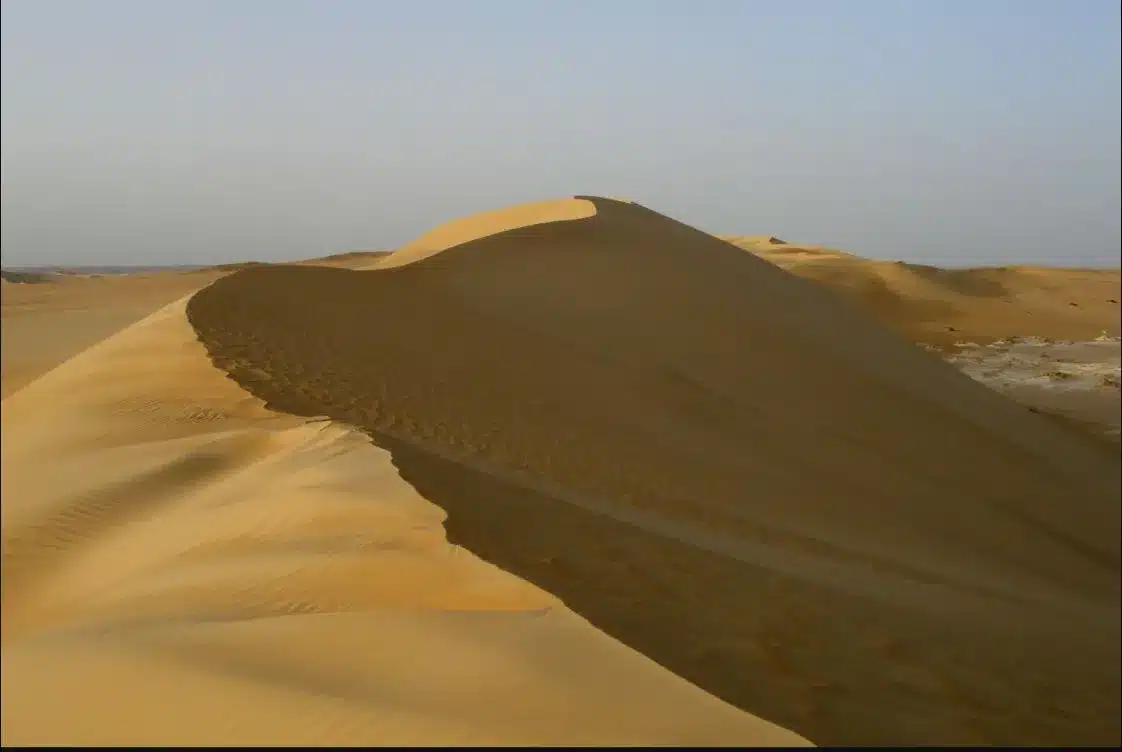
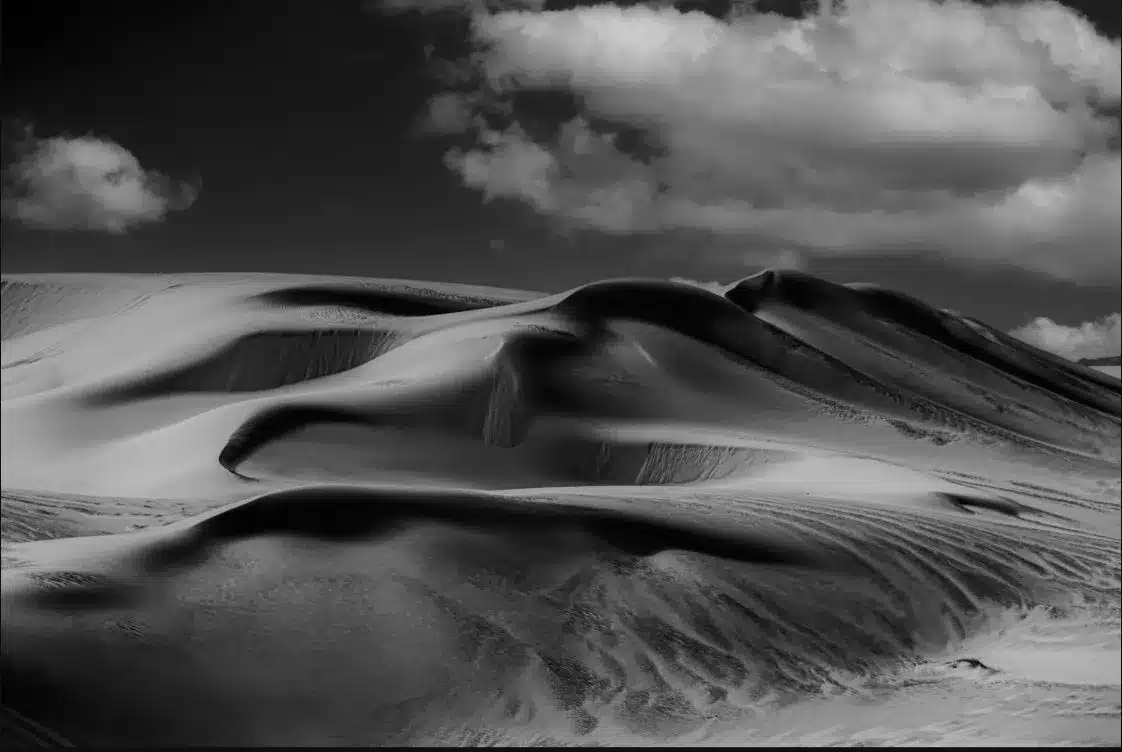
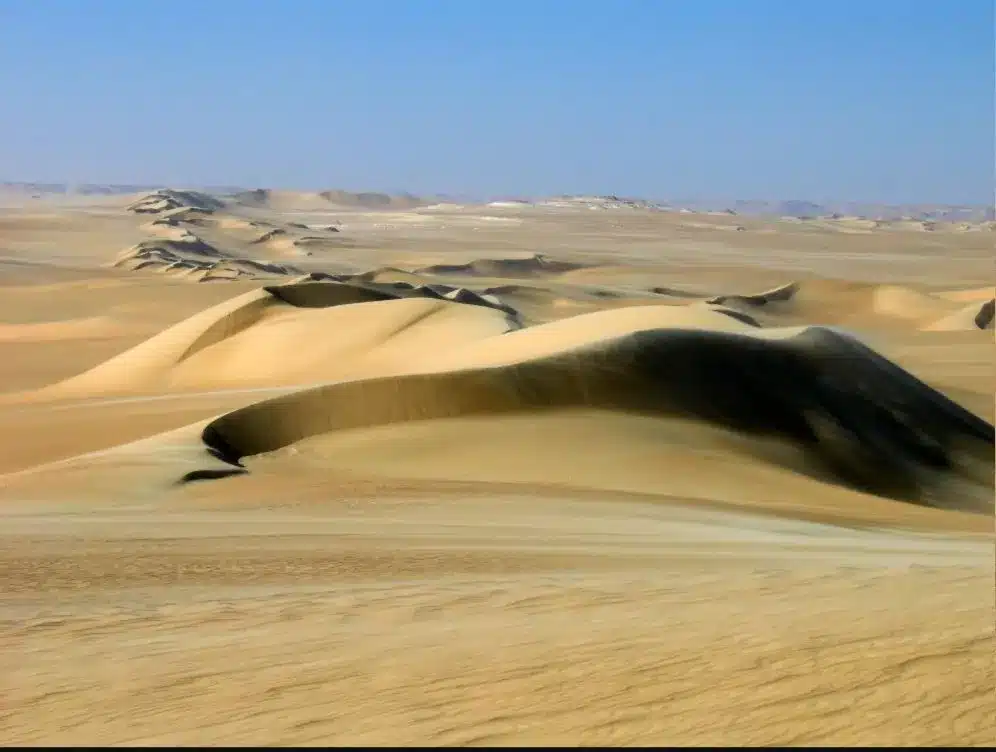
The Great Sand Sea is a vast dune field southwest of Siwa Oasis, close to Egypt’s western frontier. From town, the horizon can look like a simple line of sand. Inside the dune field, however, the terrain becomes a moving sequence of ridges, bowls, wind-cut faces and broad corridors. Light changes its colour from pale cream in the morning to deep gold near sunset.
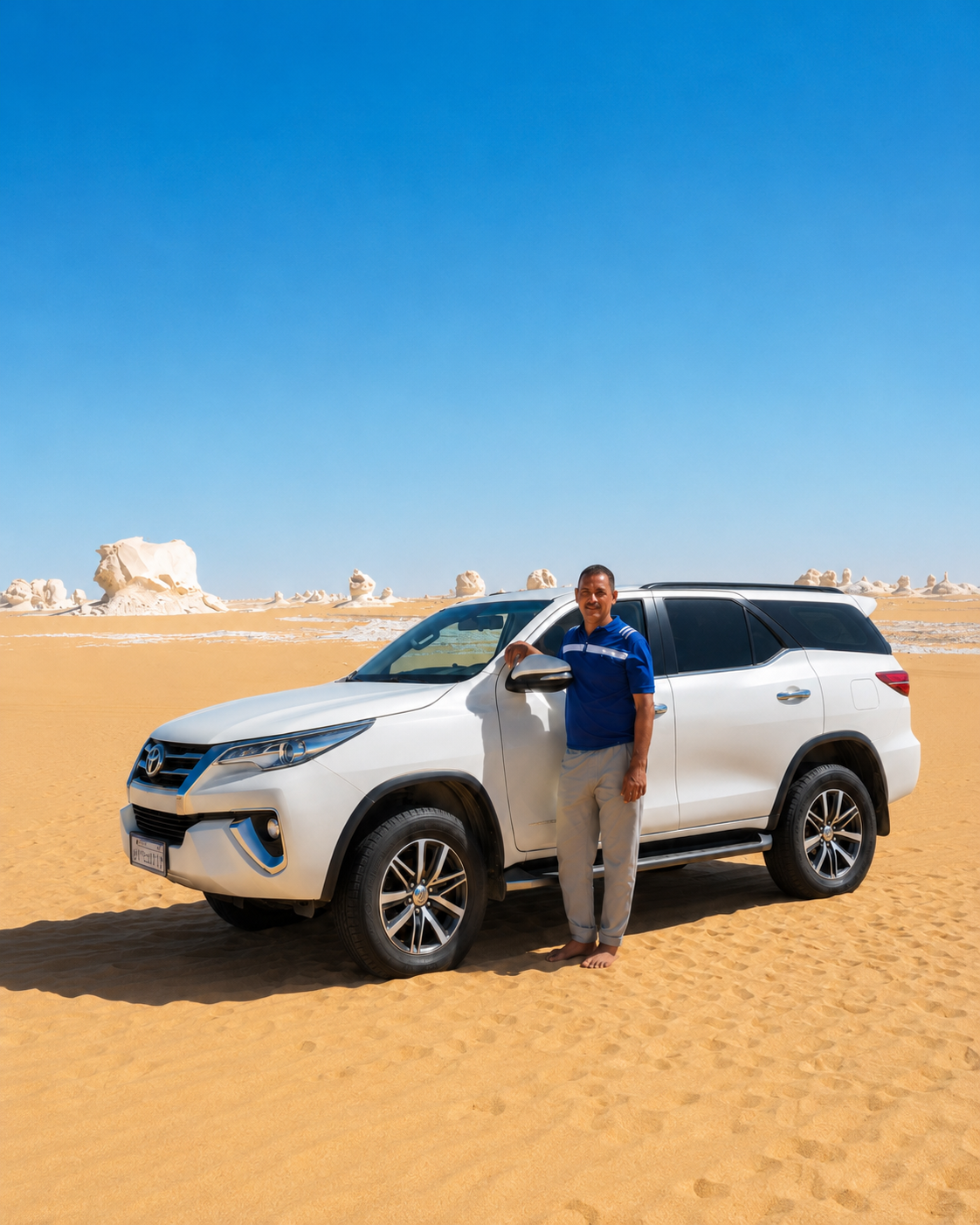
This is not a place for an ordinary rental car or an improvised drive. Tracks can disappear, soft sand can trap a vehicle, mobile coverage may be unreliable and access conditions can change. A responsible Siwa safari therefore begins with a suitable 4×4, a driver who reads the sand and a route chosen for the day’s weather, permits and passenger comfort.
It also helps to understand that “Siwa desert” can mean different things in listings. Some tours stop at a roadside viewpoint. Others make a short drive onto accessible dunes. A full Great Sand Sea experience travels deeper, spends meaningful time among the dunes and usually includes several planned activities. Ask what is actually included before comparing prices.
What a full Siwa desert safari usually includes
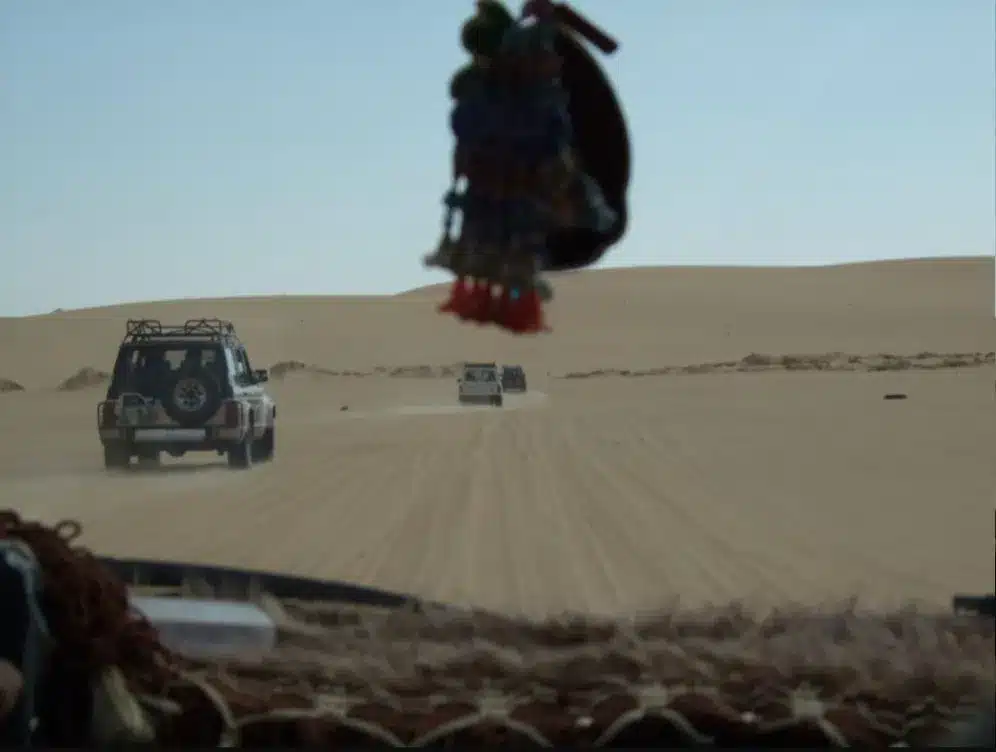
No two desert days are identical, but a good full safari normally follows a clear rhythm. Your driver collects you in Siwa, checks the vehicle and adjusts the plan for temperature, wind and current access. Once the 4×4 leaves the firm road, the route develops gradually: flatter sand first, then larger dune systems if the group is comfortable.
- Local 4×4 transport: the essential part of the experience, with a desert driver who knows safe lines over and around the dunes.
- Dune driving: scenic climbs and descents selected for the vehicle and passengers, not a race or uncontrolled stunt show.
- Sandboarding: a simple board is used on a suitable slope; walking back up is often harder than sliding down.
- Spring stop: a visit around Bir Wahed and Siwa’s hot or cold springs may be possible, subject to current permissions, operating conditions and the agreed route.
- Bedouin tea or a light meal: inclusions vary, so confirm whether food, water and tea are part of the quoted price.
- Sunset: the driver chooses a stable viewpoint and leaves enough time to return safely after the light changes.
Some operators add fossil areas, salt formations or an overnight camp. These should never be assumed. Sites may be sensitive, temporarily restricted or unsuitable after certain conditions. A trustworthy operator explains what is available rather than guaranteeing every named stop months in advance.
Short safari, full safari or overnight camp?
The best format depends on why you are visiting Siwa. A short trip can work for a family that wants a gentle first look. A half-day or full afternoon suits most first-time visitors because it leaves time for several activities and sunset. Camping is valuable when quiet, stars and the changing morning light matter more than fitting every attraction into one day.
| Format | Best for | Typical experience | Main trade-off |
|---|---|---|---|
| Short dune visit | Limited time, young families | Viewpoint and gentle 4×4 section | May not feel like the full Great Sand Sea |
| Half-day safari | Most first-time visitors | Dune driving, sandboarding, tea and often sunset | Fewer long stops |
| Full-day safari | Photographers and desert lovers | More varied terrain and a slower route | Longer exposure to heat and vehicle motion |
| Overnight camp | Stars, silence and sunrise | Safari plus dinner, camp and early light | Basic facilities and colder winter nights |
Do not choose only by duration. A six-hour listing can include long waiting periods, while a focused four-hour route may be excellent. Compare the vehicle, group size, named inclusions, food, pickup, guide language, cancellation terms and whether the price is per person or per vehicle.
How much does a Siwa desert safari cost in 2026?
Prices vary because local operators package the same landscape in very different ways. A shared local 4×4 outing may begin around the equivalent of US$60–100 per person, while a private vehicle, longer route, premium meal or overnight camp can cost more. Online marketplaces often add commission and may display a low starting price that assumes a full group.
Before paying, request one written total and ask five questions: Is the rate per person or per vehicle? How many guests share the 4×4? Are entry or permit charges included? Are food and drinking water included? Is hotel pickup and return included? Also ask which currency and exchange rate apply. These details prevent a cheap headline from becoming an expensive day.
A standalone safari is only one part of the budget if you are travelling from Cairo. Transport to Siwa, accommodation, meals and oasis sightseeing matter too. Our detailed Siwa tour cost guide shows how the pieces fit together. For travellers who want one clear package, the 4-day private tour is currently listed from $599 and includes the main Great Sand Sea activities described in its itinerary.
A realistic afternoon safari timeline
Exact times change with the season, but a sensible afternoon plan might begin after lunch. The driver collects the group in Siwa and confirms comfort levels. On firm ground, everyone should understand where to sit, how to use available seat belts and how to signal if the motion feels too strong.
The first desert section is usually moderate. This gives the driver time to assess the sand and gives passengers time to adjust. Later, a suitable dune is chosen for sandboarding. A spring or rest stop follows if it is available and included. Tea is best taken away from busy vehicle tracks, with all rubbish packed out.
The final stage moves toward a sunset ridge. Photographers should finish changing lenses before strong wind or blowing sand. After sunset, temperature and visibility can fall quickly, so the return should be planned rather than improvised. Back in town, leave the evening flexible; repeated dune motion can be tiring even when the trip is enjoyable.
Is dune driving safe?
Dune driving involves real risk, and quality depends heavily on the driver, vehicle and choices made that day. Safe does not mean motion-free. It means the route is controlled, passengers are briefed, the vehicle is maintained and the driver changes the intensity when asked.
Tell the operator before booking if anyone is pregnant, has recent surgery, osteoporosis, a serious back or neck condition, heart concerns or severe motion sickness. A guest should never feel pressured to accept steep descents. Families and cautious travellers can request a scenic route with gentler dunes. Children must be supervised and seated appropriately; ask about restraints before confirming.
Never attempt the Great Sand Sea alone in a standard car. Experienced teams carry water, communication options, basic recovery equipment and a plan for the route. They also monitor wind and visibility. If weather, access or vehicle condition is not right, changing the program is responsible—not a failure to deliver.
Quick safety checklist before departure
- Confirm the vehicle type, maximum group size and experienced local driver.
- Ask whether working seat belts are available in your assigned seats.
- Share medical, mobility and motion-sickness concerns in advance.
- Carry more drinking water than you expect to use.
- Keep your phone charged, but do not depend on mobile coverage.
- Avoid a heavy meal immediately before active dune driving.
- Follow the driver’s instructions when walking near a vehicle or dune edge.
Best time for a Siwa safari
For most travellers, the cooler period from autumn through spring offers the most comfortable conditions. Winter days can be excellent, but a sunset or overnight trip may become surprisingly cold. Summer requires a much more careful schedule, usually avoiding the middle of the day and carrying extra water.
Late afternoon is popular because the light is softer and sunset adds a natural finale. Morning is better for guests who prefer cooler temperatures, quieter stops and an early return. Photographers may favour the low angles at sunrise or sunset, but wind direction can matter more than the clock. Check our month-by-month best time to visit Siwa guide before choosing dates.
What to wear and pack
Wear light, breathable layers that cover the shoulders, plus closed shoes with grip. Sand enters almost everything, so expensive white trainers are a poor choice. A scarf or buff helps in wind, while sunglasses with good coverage protect better than fashion glasses. In winter, pack a warm layer for the return after sunset.
- Reusable water bottle and extra water
- Broad-spectrum sunscreen and lip balm
- Sun hat that will not blow away easily
- Closed shoes, scarf and a light long-sleeved layer
- Warm jacket for winter sunset or camping
- Small power bank and a sealed bag for electronics
- Personal medication, tissues and motion-sickness remedy if advised
For cameras, one versatile lens is often better than repeated changes in blowing sand. Carry a soft brush and keep equipment inside a zipped bag while the vehicle is moving. Drones may be restricted and should never be assumed legal or permitted; ask the relevant authorities and your operator before travelling with one.
Sandboarding: what beginners should know
Sandboarding looks easy because the landing surface is soft, but balance and slope still matter. Beginners usually start seated or on a modest incline. Wax, board condition and dry sand affect speed. Listen to the guide, wait until the slope is clear and never cross a vehicle line.
The walk back to the top can be more demanding than the descent. Take your time, drink water and skip extra runs if you feel dizzy. Sandboarding is optional; watching from a ridge is still a complete desert experience. A good safari is not measured by how many risks a traveller accepts.
For board types, beginner technique, clothing and the questions to ask before booking, use our complete Siwa sandboarding guide.
Hot springs, cold springs and Bir Wahed
Spring stops are frequently associated with Siwa safaris, especially the Bir Wahed area. Availability can depend on permissions, maintenance, security arrangements and the chosen route. Water temperature and facilities are also not hotel-like. Ask your operator what is currently open and bring a modest swimsuit, towel and dry layer if swimming is confirmed.
Do not treat every spring as a guaranteed spa. The value is the contrast between water and the surrounding desert, not luxury infrastructure. Respect local customs, do not use soaps or chemicals in natural water, and follow instructions about where swimming is appropriate.
Should you camp in the Great Sand Sea?
An overnight camp offers something a day trip cannot: long quiet after engines stop, a dark sky and the first change of colour before sunrise. It also means simple toilets, basic bedding, sand, temperature swings and fewer conveniences. Confirm whether the camp is private or shared, what bedding is supplied, how meals are prepared and what toilet arrangements exist.
Winter nights can be cold, while wind can make any season uncomfortable. Responsible camps minimise light, noise and rubbish, avoid fragile vegetation and leave no trace. If you want comfort more than camping, enjoy sunset and return to one of the options in our Siwa Oasis hotels guide.
Who will enjoy this safari most?
Couples often enjoy the private space and sunset. Families can have an excellent day when the route is gentle and expectations are discussed. Solo travellers may prefer a shared departure for cost, but should confirm who operates the trip and the group size. Photographers benefit from a private vehicle because they can spend longer at one carefully chosen ridge.
Travellers who dislike strong vehicle motion can still enjoy the desert. Request a calm route focused on scenery, tea and short walks. Anyone with restricted mobility should describe their needs precisely: entering a high 4×4, walking on soft sand and using simple facilities can be more difficult than the itinerary suggests.
Responsible desert travel
The desert can look empty, but it is not disposable. Tire tracks, plastic, food waste and careless collecting all have an impact. Take every item back to Siwa, stay with the agreed route and never remove fossils, rocks or archaeological material. Do not ask drivers to chase wildlife or enter closed areas for a photograph.
Choose local services where possible and pay a fair price for experienced work. Siwan knowledge is part of the product, not a free extra. A smaller private group can reduce pressure at stops and makes it easier to adapt the route. Learn more about the oasis, community and wider journey in our complete Siwa Oasis travel guide.
How to fit the safari into a Siwa itinerary
Do not schedule the main safari immediately after the long road journey from Cairo. Arrive, rest and explore the town first. Use the next afternoon for the Great Sand Sea, leaving the following morning for Shali Fortress, the Oracle Temple, local villages or the salt lakes. This reduces fatigue and provides a backup window if conditions change.
Three days can cover Siwa’s essentials, but four days give the safari room to breathe. See our 3-, 4- and 5-day Siwa itinerary and practical Cairo-to-Siwa transport guide. If swimming is important, also read our Siwa salt lakes guide; the lakes and Great Sand Sea are different experiences and deserve separate time.
How to choose a trustworthy Siwa safari operator
Look beyond stars and generic “best safari” claims. A useful listing names the duration, pickup, vehicle, maximum group, meal, activities and cancellation terms. Before booking, the operator should answer questions directly and distinguish guaranteed inclusions from stops that depend on current access.
Ask who will actually drive. Marketplace sellers may resell a local trip, while the person meeting you holds the practical responsibility. Check recent reviews for comments about safe driving, communication, accurate inclusions and vehicle condition. Be cautious if the seller refuses to state whether the price is per person or per car.
Frequently asked questions
Can I visit the Great Sand Sea without a guide?
You should not attempt a deep desert route alone or in a normal rental vehicle. Use a local operator with a suitable 4×4, an experienced driver, water, recovery equipment and a route that matches current access.
How long does a Siwa desert safari take?
Short outings may last a few hours, while a fuller afternoon experience commonly takes about four to six hours depending on stops, conditions and the operator. Overnight trips return the following morning.
Is a Siwa safari suitable for children?
It can be when the operator provides an appropriate vehicle, the child can be restrained safely and the driver uses a gentle route. Confirm ages, seats and comfort requirements before paying.
Will I definitely visit Bir Wahed?
No responsible operator should promise access regardless of conditions. Ask what is currently permitted for your dates and what alternative stop will be offered if access changes.
Is sandboarding included?
It is common on full safaris but not universal. Confirm the board, suitable slope and activity in writing. Participation should remain optional.
What is the best month for a Siwa desert safari?
October through April generally offers more comfortable daytime temperatures. December and January can be cold after sunset, while summer needs an early or late schedule.
Can I book only the safari after arriving in Siwa?
Often yes, but popular winter dates and private vehicles may sell out. Booking ahead is useful when the safari is central to your trip or when you need a gentle route, child seating or a specific language.
Book a private Siwa desert safari from Cairo
The easiest way to avoid disconnected transport, hotel and safari bookings is to choose one itinerary that names the Great Sand Sea activities. Our 4-day private Siwa Oasis tour from Cairo includes the 4×4 desert safari, sandboarding, springs and sunset alongside Siwa’s main cultural sights. The group remains private and the itinerary can be discussed before confirmation.
If you are choosing between durations or need a gentler family route, contact Egypt Safari Travel with your dates, group size, ages and preferred level of dune driving. We will explain the current options clearly so the desert day matches the trip you actually want.