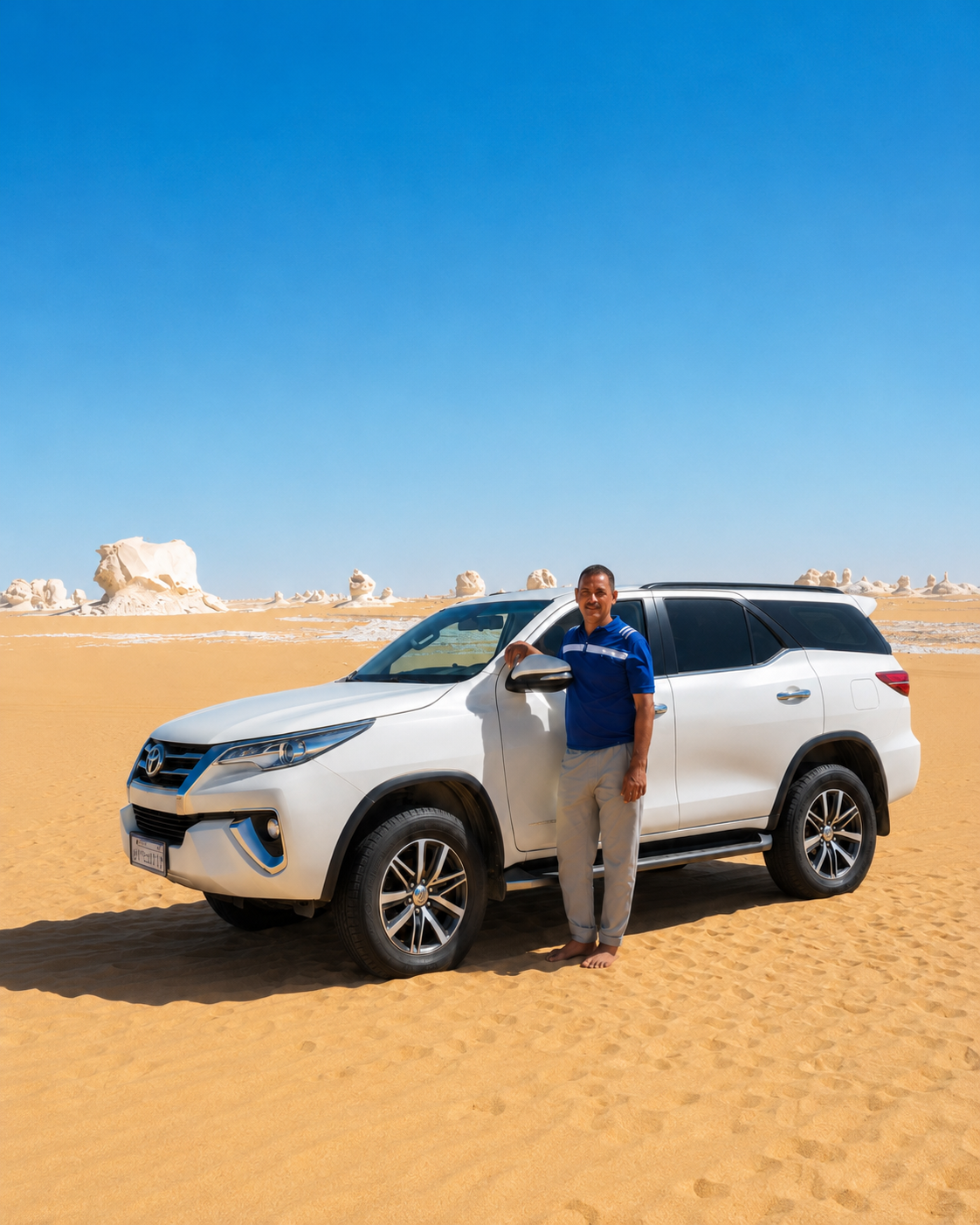
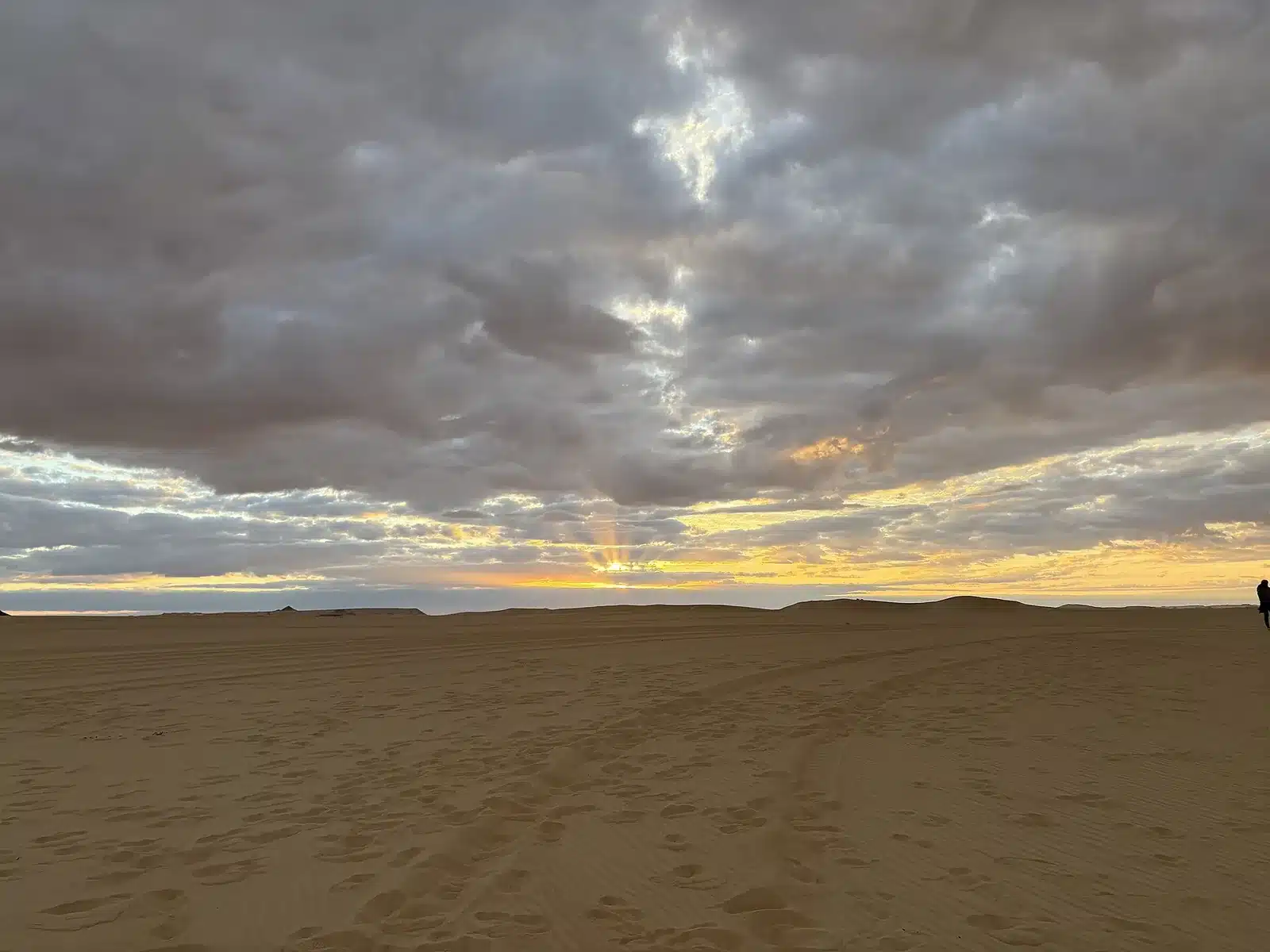
The best time to visit Siwa Oasis is from October to April, when daytime temperatures are comfortable enough for Shali Fortress, salt lakes, desert springs and a Great Sand Sea safari. November, February and March offer the best overall balance of mild weather, clear light and manageable nights. December and January are excellent for sightseeing, but desert evenings can feel surprisingly cold. Summer is possible for experienced heat-tolerant travellers, although the itinerary must move to early mornings and late afternoons.
Siwa is not a conventional city break. Weather affects almost every part of the experience: the hour you enter the desert, how long you can walk around archaeological sites, what you pack for camp and even whether a swim feels refreshing or exhausting. This month-by-month guide uses long-term climate averages and practical local safari planning to help you choose dates that match your priorities—not merely the month with the lowest temperature.
Quick answer: when should you visit Siwa?
- Best overall weather: October to April.
- Best balance of warmth and comfort: November, February and March.
- Best for desert camping: October–November and February–March.
- Best for salt lakes: March–May and September–November, with midday heat avoided.
- Best for sightseeing and families: November to March.
- Best chance of lower accommodation demand: hotter shoulder periods, especially May and September.
- Months requiring the most heat planning: June, July and August.
If this is your first visit and you want one simple recommendation, choose late October to late November or mid-February to late March. These windows normally provide pleasant touring temperatures without the coldest winter nights or the strongest summer heat. Always check the short-range forecast before leaving Cairo because wind, dust and unusual temperature changes cannot be predicted from monthly averages.
Siwa Oasis weather by month
The figures below are rounded long-term averages, not a promise for a particular travel date. Siwa has a hot desert climate with very little rainfall, intense sunshine and a meaningful difference between afternoon and night temperatures. The same day that feels warm beside a spring can require a jacket after sunset in the open desert.
| Month | Typical high | Typical low | Practical conditions |
|---|---|---|---|
| January | 19°C / 66°F | 7°C / 44°F | Excellent sightseeing; cold nights |
| February | 22°C / 71°F | 8°C / 47°F | Mild days; strong all-round choice |
| March | 26°C / 78°F | 12°C / 53°F | Warm, comfortable and photogenic |
| April | 29°C / 85°F | 16°C / 60°F | Warm days; plan around midday |
| May | 34°C / 94°F | 20°C / 68°F | Hot shoulder season |
| June | 37°C / 99°F | 23°C / 74°F | Very hot; early/late activities |
| July | 38°C / 100°F | 24°C / 76°F | Peak heat and powerful sun |
| August | 38°C / 100°F | 25°C / 77°F | Very hot days and warm nights |
| September | 34°C / 94°F | 23°C / 73°F | Hot, improving later in month |
| October | 31°C / 87°F | 18°C / 65°F | Warm and increasingly comfortable |
| November | 25°C / 77°F | 13°C / 56°F | One of the best months |
| December | 21°C / 69°F | 9°C / 48°F | Lovely days; pack for cold evenings |
These rounded values are based on the long-term climate averages published by Time and Date. The broader climate pattern described by WeatherSpark is consistent: long, very hot summers and cool, dry winters. For destination context, you can also consult Egypt’s official Experience Egypt Siwa page.
Winter in Siwa: December, January and February
Winter delivers the easiest daytime sightseeing. You can explore the old mud-brick lanes of Shali, climb viewpoints, visit the Oracle Temple and stop at springs without fighting extreme heat. The light is softer than in summer, which helps landscape photography and makes long transfers feel less tiring. January is usually the coolest month, while February begins a gradual warming trend.
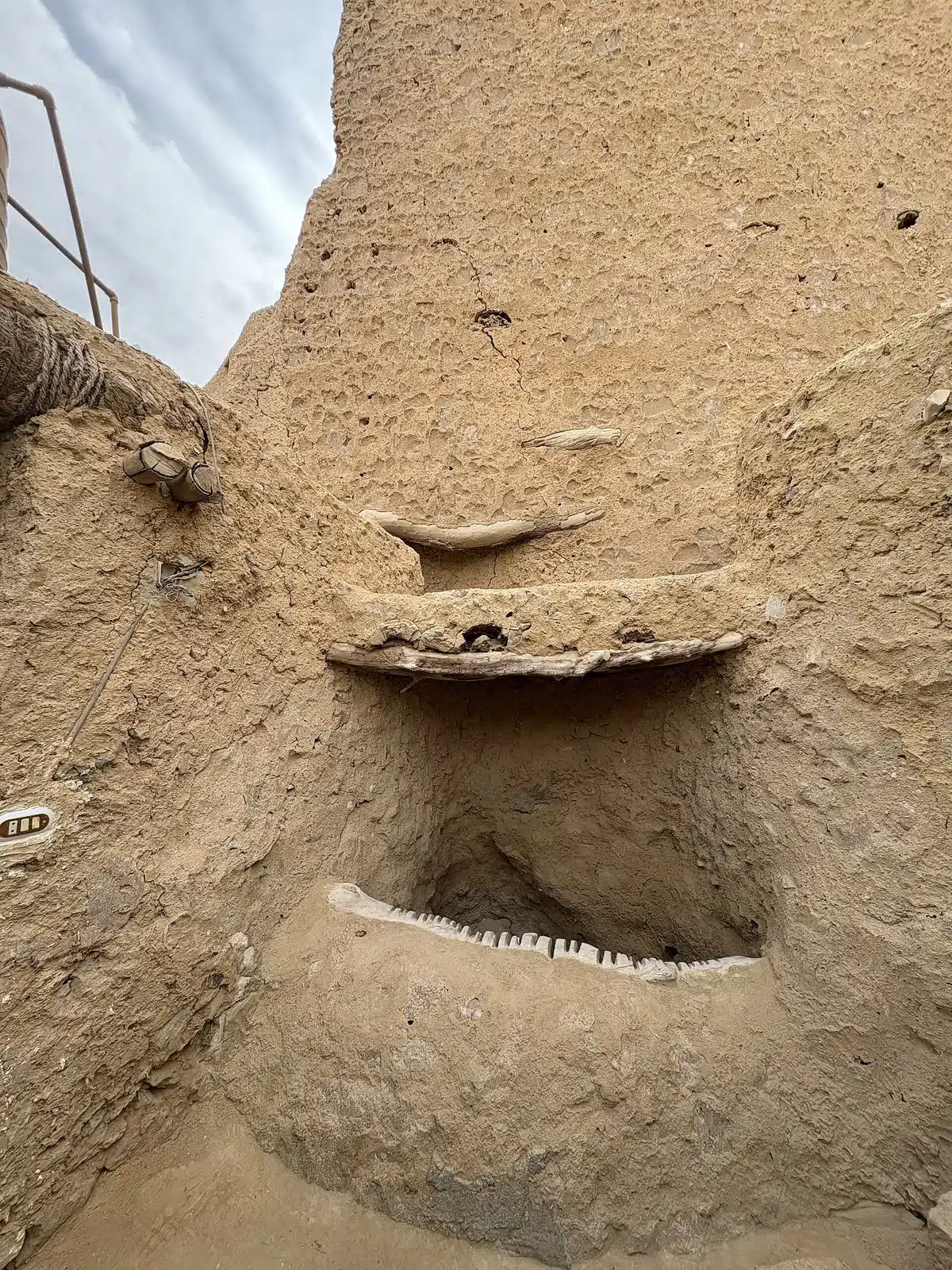
The mistake many visitors make is packing for the daytime average only. Once the sun drops, dry desert air loses heat quickly. A fleece, wind-resistant outer layer, closed shoes and long trousers are sensible for evenings. If your plan includes an overnight camp, ask exactly what bedding is supplied. “Desert camp” can mean anything from a sheltered permanent setup to a simple mobile camp exposed to more wind.
Winter is particularly suitable for families, older travellers and anyone who prefers slow archaeological visits. Swimming is still possible for some people, especially at warm springs, but entering a salt pool during a cool or windy period may not be enjoyable. The main trade-off is demand: the most comfortable weeks may have fewer last-minute room and vehicle choices, so secure your preferred itinerary early.
Spring in Siwa: March, April and May
March is one of Siwa’s strongest months. Days are warm rather than punishing, nights are easier than midwinter and there is enough daylight for a varied schedule. April remains attractive, although the middle of the day begins to feel hot. May is a genuine transition into summer: a well-designed tour can still work, but shade, hydration and timing become part of the itinerary rather than optional comforts.
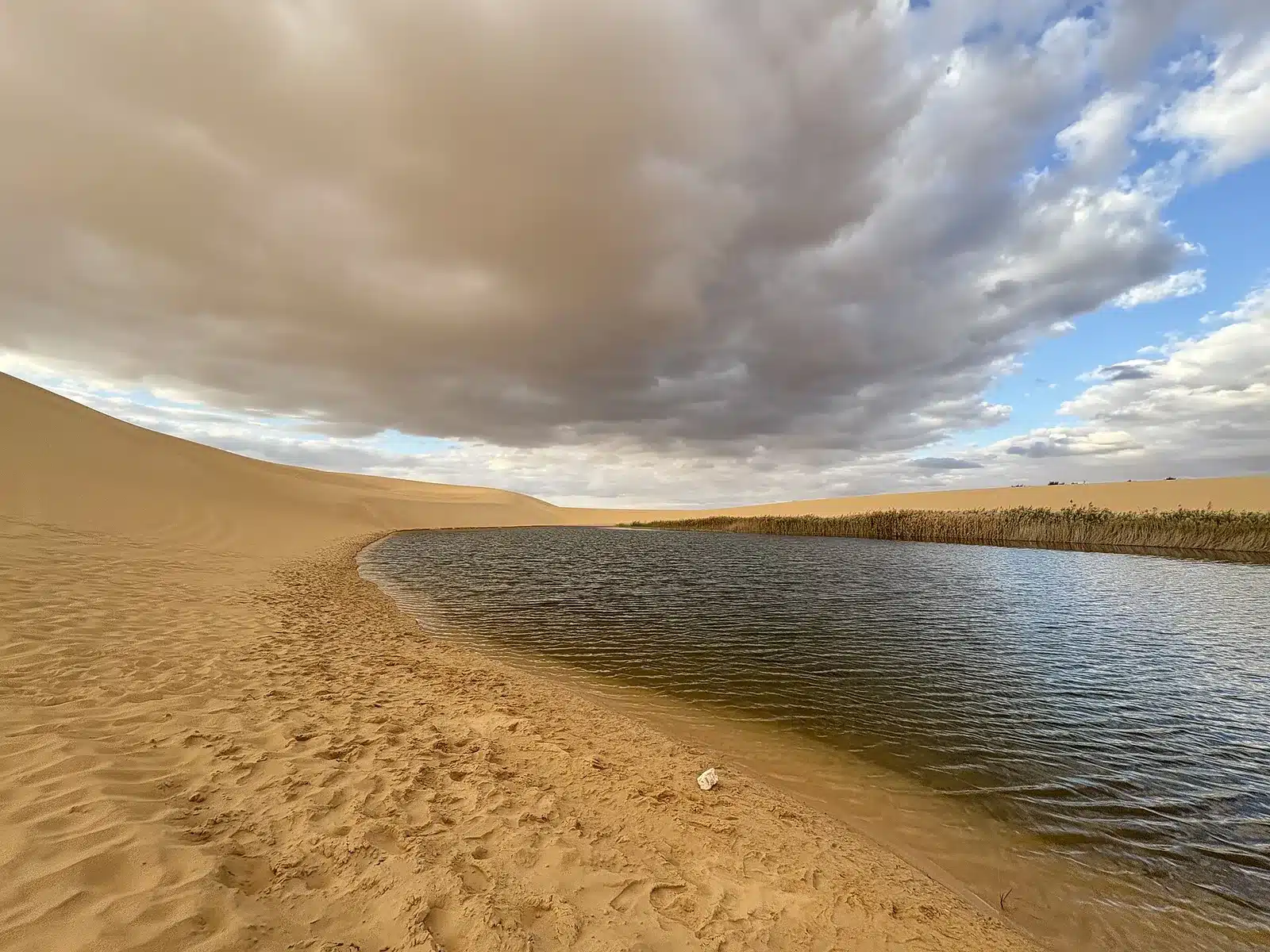
Spring can bring windy or dusty spells across Egypt’s Western Desert. That does not mean every spring day is dusty, but it does mean a rigid minute-by-minute plan is unwise. A local driver may move a viewpoint or dune stop to the following morning when visibility improves. Bring sunglasses that seal reasonably well, a light scarf and a protective pouch for camera equipment. Travellers with respiratory sensitivities should check the forecast and carry their usual medication.
March and early April are excellent for combining Siwa town with the Great Sand Sea. May suits travellers who value quieter periods and tolerate heat, but the desert drive should be scheduled away from the peak afternoon. For realistic route options, compare our 3-, 4- and 5-day Siwa itineraries rather than trying to compress every attraction into one hot day.
Summer in Siwa: June, July and August
Summer is the least comfortable season for most international visitors. Average highs approach 38°C/100°F, and exposed surfaces can feel hotter under direct sun. Archaeological walks at midday are tiring, dehydration develops faster than expected and a vehicle parked in the sun becomes extremely hot. This is not the season for copying a winter itinerary unchanged.
A responsible summer schedule begins early, pauses during the fiercest heat and resumes later in the afternoon. Use an air-conditioned vehicle for transfers, drink water regularly before you feel thirsty, add electrolytes when appropriate and protect exposed skin. A wide-brimmed hat, breathable long sleeves and high-SPF sunscreen are more useful than relying on a small bottle of water and short clothing.
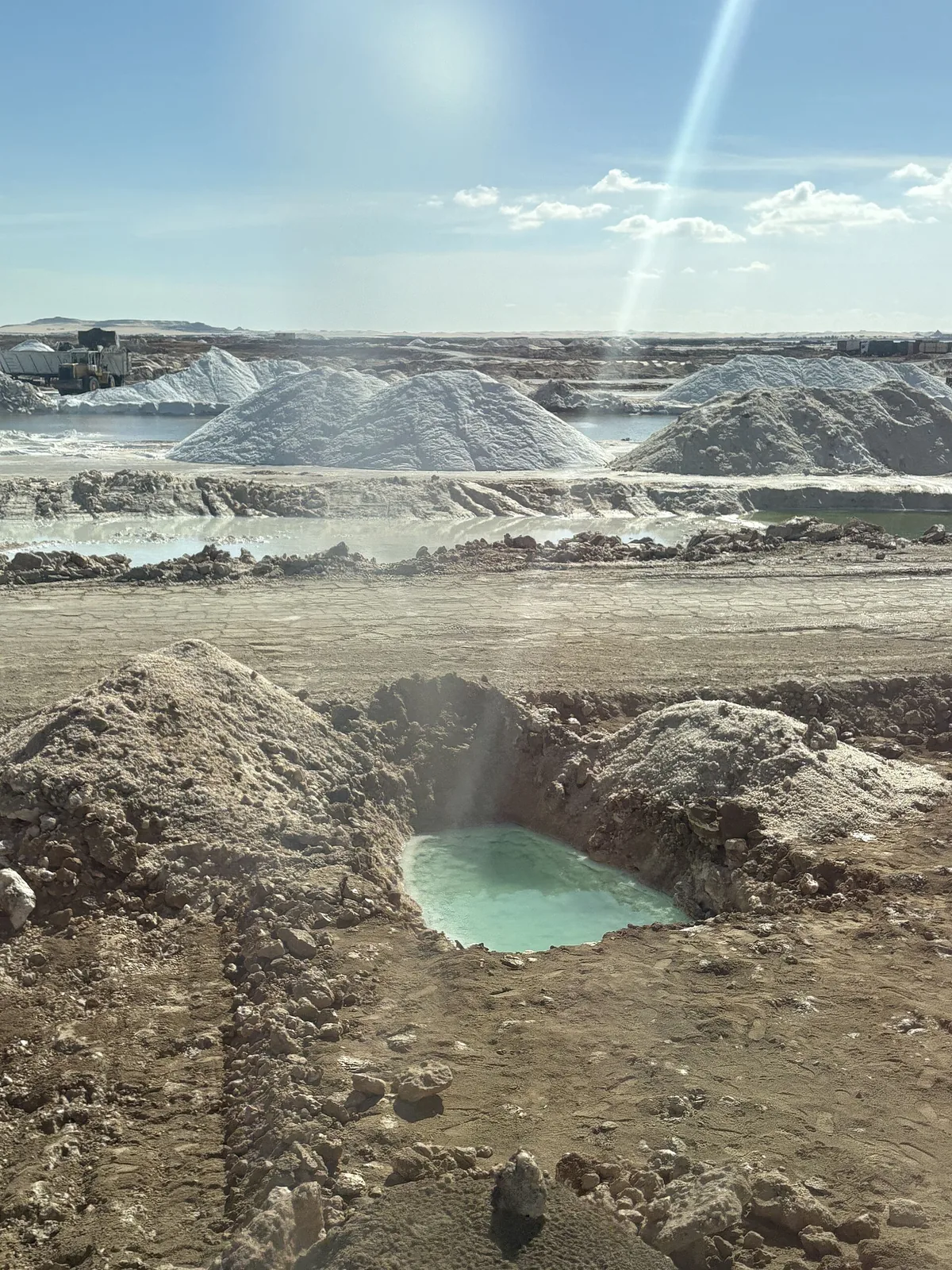
Summer does have advantages: strong light can make salt pools appear intensely turquoise, warm evenings suit relaxed outdoor meals and some services may be less busy than in peak winter. But those advantages only matter if your health and expectations fit the conditions. Young children, heat-sensitive travellers and people with relevant medical conditions should strongly prefer the cooler season and seek personal medical advice where needed.
Autumn in Siwa: September, October and November
September often still feels like summer, especially at the start of the month. Conditions improve through October, and November is among the most reliable choices for a first visit. By then, daytime walking is comfortable, evenings are cool without the deepest winter chill and desert activities can occupy more of the day.
October is ideal for travellers who enjoy warmth and swimming but do not want peak-summer conditions. November is better for long sightseeing days, families and camping. If your dates are flexible, late October through November gives you a broad mix of experiences with fewer weather compromises. Local events and community celebrations may follow lunar, religious or local calendars, so confirm actual dates for the year you travel rather than booking around an old festival date found online.
Best time for Siwa’s salt lakes and springs
The salt lakes can be visited in many months, but comfort changes. Spring and autumn usually give the best compromise: enough warmth to enjoy the water, with less punishing sun than midsummer. In winter, a calm sunny day can still be enjoyable, although getting out of the water may feel cold when the wind picks up. In summer, visit early or later in the day and never stay exposed beside highly reflective salt and water for too long.
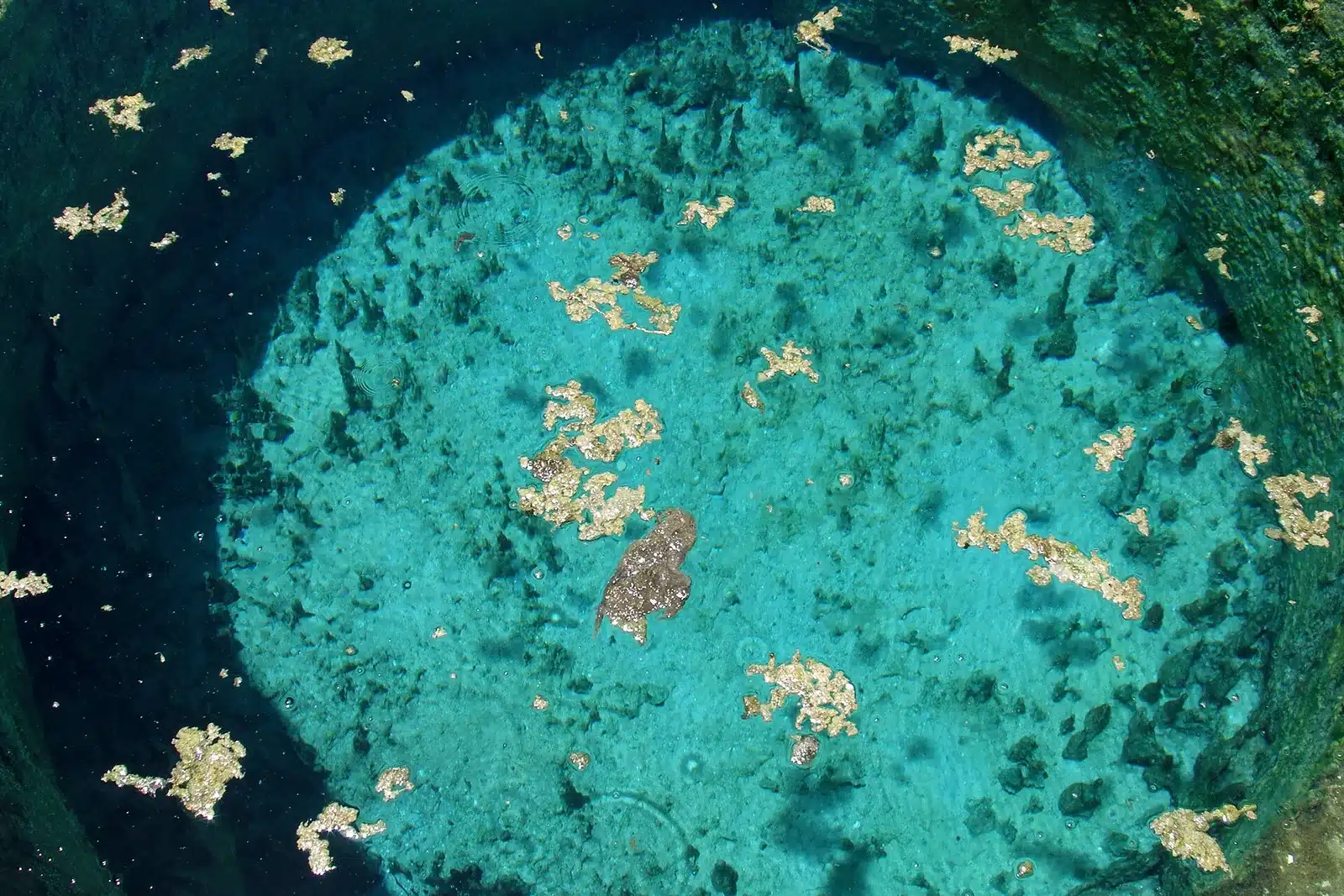
Weather is only one safety factor. Salt can sting cuts, freshly shaved skin and eyes. Do not dive, keep your face out of concentrated water, use simple footwear around sharp salt edges and rinse with fresh water afterwards. Never assume every pool has identical access or depth. Our detailed Siwa Salt Lakes safety guide explains what to bring and what first-time visitors often overlook.
Best time for a Great Sand Sea safari and camping
For a 4×4 safari, October–November and February–March are usually the sweet spots. Temperatures allow a longer route, sunset stops are comfortable and camping is easier than in deep winter or high summer. December and January remain very good for desert driving, but overnight guests need proper cold-weather layers and should confirm blankets or sleeping bags with the operator.
The hottest months require a shorter, carefully timed experience. Vehicle condition, experienced local driving, drinking water and communication are more important than squeezing extra stops into the plan. Safari routes may also depend on current permissions and local operating conditions. A trustworthy operator should explain what is feasible on your date instead of selling a fixed route regardless of weather.
Best months for photography
November through March provides soft light, lower heat haze and comfortable sunrise or sunset sessions. Winter’s low-angle light reveals texture in the dunes and the eroded walls of Shali. March adds warmer days and longer operating hours. In summer, the strongest colour may appear around salt water, but harsh midday contrast and heat haze make wide desert scenes more difficult.
Whatever the month, protect equipment from fine dust. Change lenses inside the vehicle or accommodation, keep a blower and cloth in a sealed bag and avoid placing a camera directly on sand or salt. Sunrise is not automatically better than sunset: choose the direction and subject first, then let a local guide suggest the best hour and viewpoint.
How many days do weather and season change?
In the cooler months, three full days in Siwa can cover the essentials at a sensible pace. Four days allow a less rushed desert component and more time for villages, springs or cultural stops. Five days suit slow travellers, photographers and anyone who wants buffer time for wind or a changed desert schedule. In May through September, add flexibility rather than packing more attractions into each day; the midday pause reduces usable touring hours.
Travel time matters too. Siwa is far from Cairo, and treating the road journey as a tiny detail creates exhausting itineraries. Read our practical Cairo to Siwa transport guide before choosing your number of nights. For a fully arranged option, compare the 3-day private Siwa tour from Cairo and the more relaxed 4-day Siwa Oasis tour.
What to pack by season
October to April
- Light daytime layers plus a fleece or insulated layer for night.
- A wind-resistant jacket, especially for open vehicles and desert camps.
- Closed walking shoes and sandals or water shoes for springs and salt pools.
- Hat, sunglasses and sunscreen; winter sun remains strong.
- A scarf or buff for dust and evening wind.
May to September
- Loose, breathable long clothing that covers shoulders and arms.
- Wide-brimmed hat, sunglasses and high-SPF broad-spectrum sunscreen.
- Refillable water bottle and an agreed water supply in the vehicle.
- Electrolytes where suitable for you, plus personal medication.
- A light cover for powerful air conditioning during long transfers.
Year-round, pack cash because card acceptance and ATMs should not be your only plan. Respectful clothing is appreciated in Siwa’s conservative local community. Keep swimwear for appropriate water locations and cover up when returning to villages or public streets.
Booking strategy: weather, weekends and flexibility
Comfortable weather attracts more travellers, so reserve your preferred accommodation, licensed local driver and desert arrangements ahead of winter and major holiday periods. Booking early does not mean locking every hour. Keep some flexibility for visibility, wind and local advice. A good plan specifies priorities—sunset, salt lakes, Shali, desert safari—then lets the guide sequence them safely.
Before paying, ask what is included: Cairo transport, local 4×4, permits where required, meals, water, accommodation standard and camp bedding. Confirm whether the price is private or shared and how many guests will be in the vehicle. Our complete Siwa Oasis travel guide connects weather planning with attractions, culture, food and practical expectations.
A simple decision guide
- You dislike heat: choose December to February and pack for cold nights.
- You want swimming plus comfortable sightseeing: choose March, April, October or early November.
- You want desert camping: prioritise October–November or February–March.
- You travel with children: November to March is the easiest window; avoid ambitious midday schedules.
- You want quieter dates: consider late April, May, September or early October only if you can manage higher heat.
- You are a photographer: November to March offers comfortable golden-hour work and generally less heat haze.
Frequently asked questions
What is the single best month to visit Siwa Oasis?
November is the easiest all-round recommendation because days are normally warm and comfortable, nights are cooler but manageable and both sightseeing and desert activities fit naturally into the schedule. March is an equally strong alternative with warmer afternoons.
Is Siwa too cold in winter?
Winter days are usually pleasant rather than cold, but nights can feel chilly in the dry air—especially in the Great Sand Sea. Bring layers and confirm bedding if camping. January has the lowest typical temperatures.
Can I visit Siwa in July or August?
Yes, but these are the hottest months and not the best choice for most first-time foreign visitors. Use air-conditioned transport, avoid exposed midday activities, hydrate consistently and plan the day around early morning and late afternoon.
Does it rain in Siwa Oasis?
Rain is uncommon because Siwa has an arid desert climate. Nevertheless, rare weather events and local road conditions can occur, so monthly averages never replace a current forecast and local advice.
When is the best time to swim in Siwa’s salt lakes?
March to May and September to November usually balance warm air with less intense heat. Winter swimming depends on wind and personal tolerance; summer visits should avoid peak midday sun.
How far ahead should I book?
For October through April, book earlier when you need specific accommodation, a private vehicle or a desert camp. Holiday weeks require more lead time. In hotter months availability may be easier, but never compromise on a suitable vehicle or experienced local guide.
Plan your Siwa trip around the experience you want
The best time to visit Siwa Oasis is not merely the coolest date on a climate chart. It is the period when the weather supports your main reason for travelling. For most visitors, that means October to April; for the most balanced first trip, choose November, February or March. Then build enough time into the itinerary for the long journey from Cairo, changing desert conditions and the slower rhythm that makes Siwa distinctive.
Explore our Siwa Oasis tours or contact Egypt Safari Travel with your month, group size and priorities. We can recommend a private route based on current conditions rather than forcing the same schedule onto every season.