
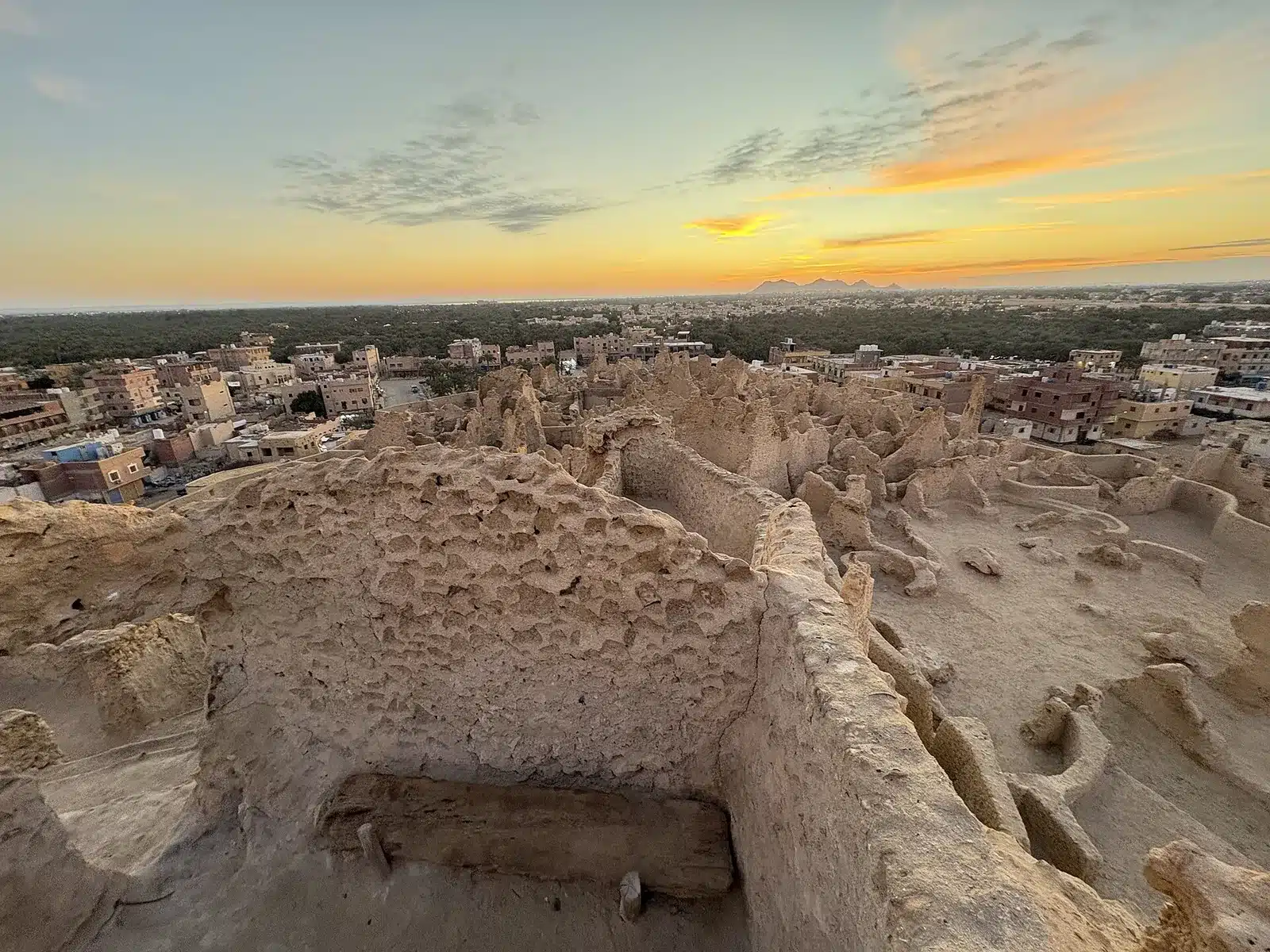
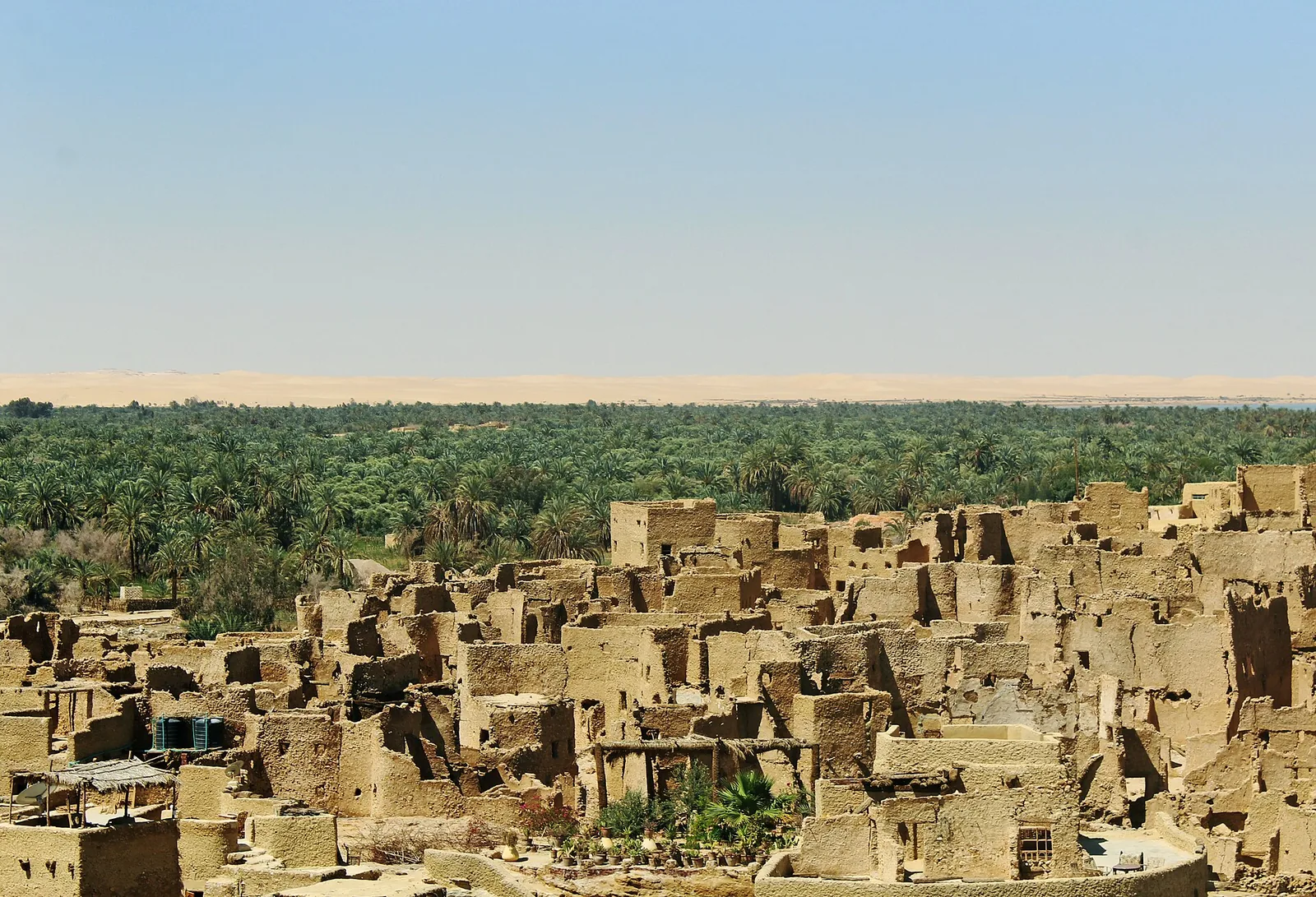
Shali Fortress Siwa is the great mud-and-salt citadel rising above the center of Siwa Oasis. More than 800 years ago, Shali was not simply a castle overlooking a town—it was the fortified town itself, with homes, mosques, wells, passages and gates packed inside defensive walls. Today you can walk through its restored lanes, study the unusual kershef architecture and look across palm groves toward the desert. This guide explains the real history, what survives and how to visit Old Shali without rushing or damaging it.
Shali Fortress Siwa: quick facts
- Where: In the center of modern Siwa town, within walking distance of the market area.
- Age: More than 800 years; sources broadly date its foundation to the twelfth or early thirteenth century.
- Material: Kershef, a local mixture based on salt-rich earth, clay and mud, with palm trunks used in roofs.
- Allow: Around 60–90 minutes for the lanes, architecture, viewpoints and explanation.
- Best time: Late afternoon for comfortable walking and warm light; allow time before sunset.
- Combine with: Siwa market, the House of Siwa Museum, Mountain of the Dead or Fatnas sunset.
What is Shali Fortress in Siwa?
Shali is the historic urban core of Siwa. The word is commonly translated from the Siwi language as “city” or “town.” That is an important clue: calling the site a fortress can make travelers imagine a military garrison with an empty courtyard, but Old Shali was a dense settlement built to protect an oasis community.
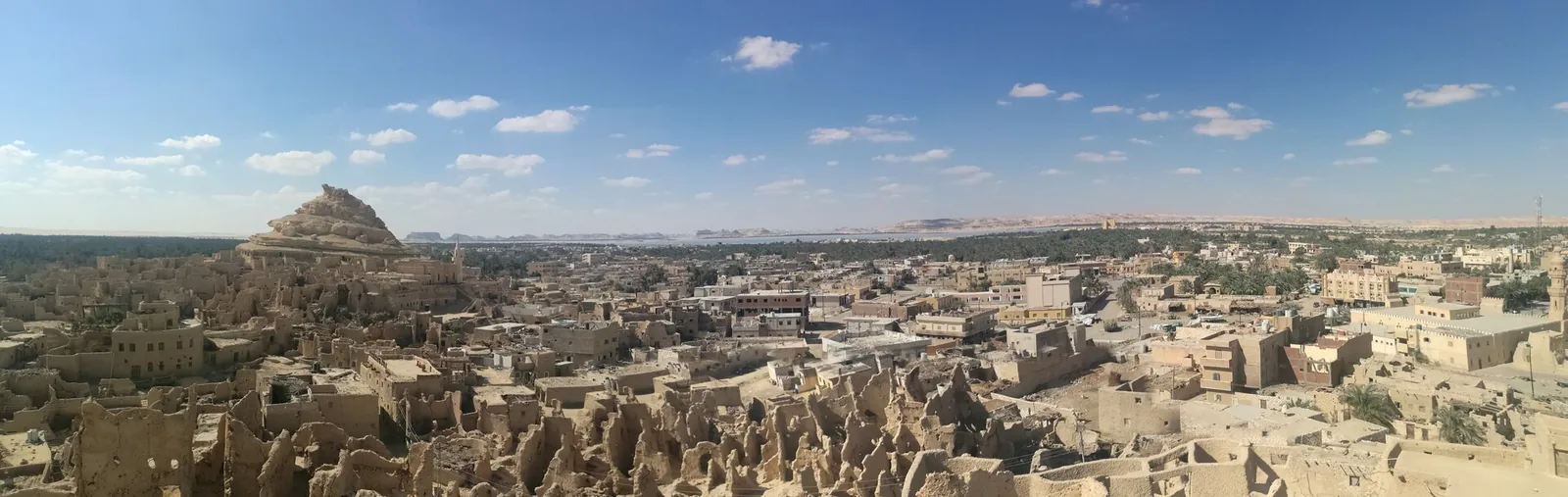
Families lived in multi-level houses connected by narrow lanes. Mosques, oil presses, storage spaces and deep wells supported daily life behind the walls. The settlement rose over a natural hill, allowing its upper structures to watch the approaches to the oasis. From a distance, its walls and houses appeared as one sculpted mass.
Official Egyptian heritage information dates the foundation broadly to the sixth century AH, corresponding to the twelfth century AD, while many modern references describe it as a thirteenth-century town. Rather than pretending every stage was built in one year, it is more accurate to see Shali as a settlement that developed and changed over centuries.
If Shali is your introduction to the oasis, start with our complete Siwa Oasis travel guide. It explains how Old Shali fits with the salt lakes, desert safari, temples, springs and living Siwan culture.
Why was Old Shali built as a fortress?
Siwa’s isolation offered protection, but the oasis also produced valuable dates, olives and water. A compact fortified settlement helped residents defend people and harvests during insecure periods. Thick outer walls, limited entrances and crowded interior construction made access easier to control.
The Egyptian Ministry of Tourism and Antiquities describes an original entrance known as Bab Inshal, often translated as the Gate of the City. Later, a southern entrance called Bab Athrat—the New Gate—was opened near an oil press. A third gate, Bab Qaduhha, is traditionally described as having been used by women. English spellings vary because the names are transliterated from Siwi and Arabic.
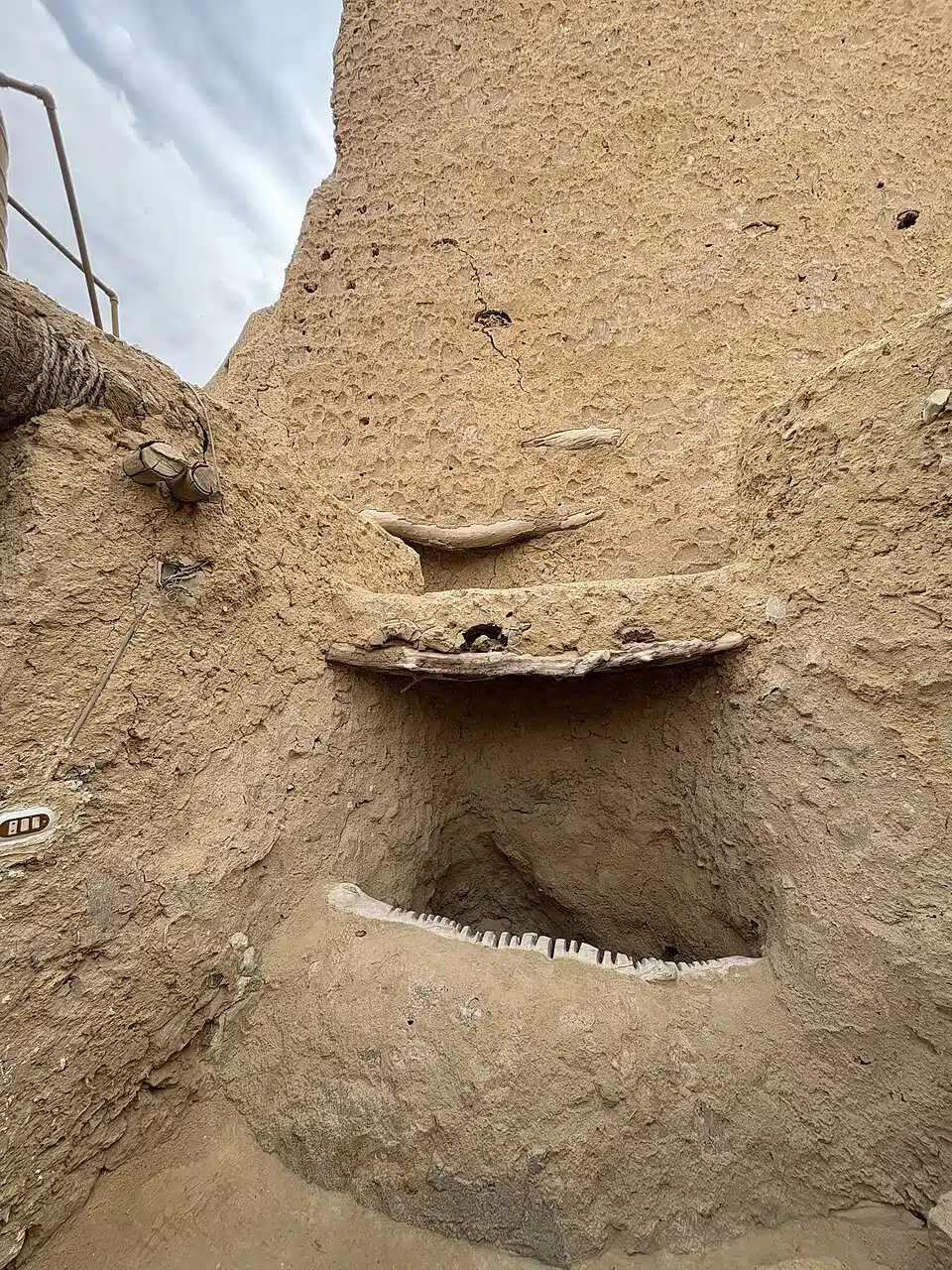
Inside, wells reduced dependence on water outside the walls. Official restoration information records six deep wells that served residents. These details show why Shali worked as an inhabited defensive system rather than a stand-alone castle.
What is kershef architecture?
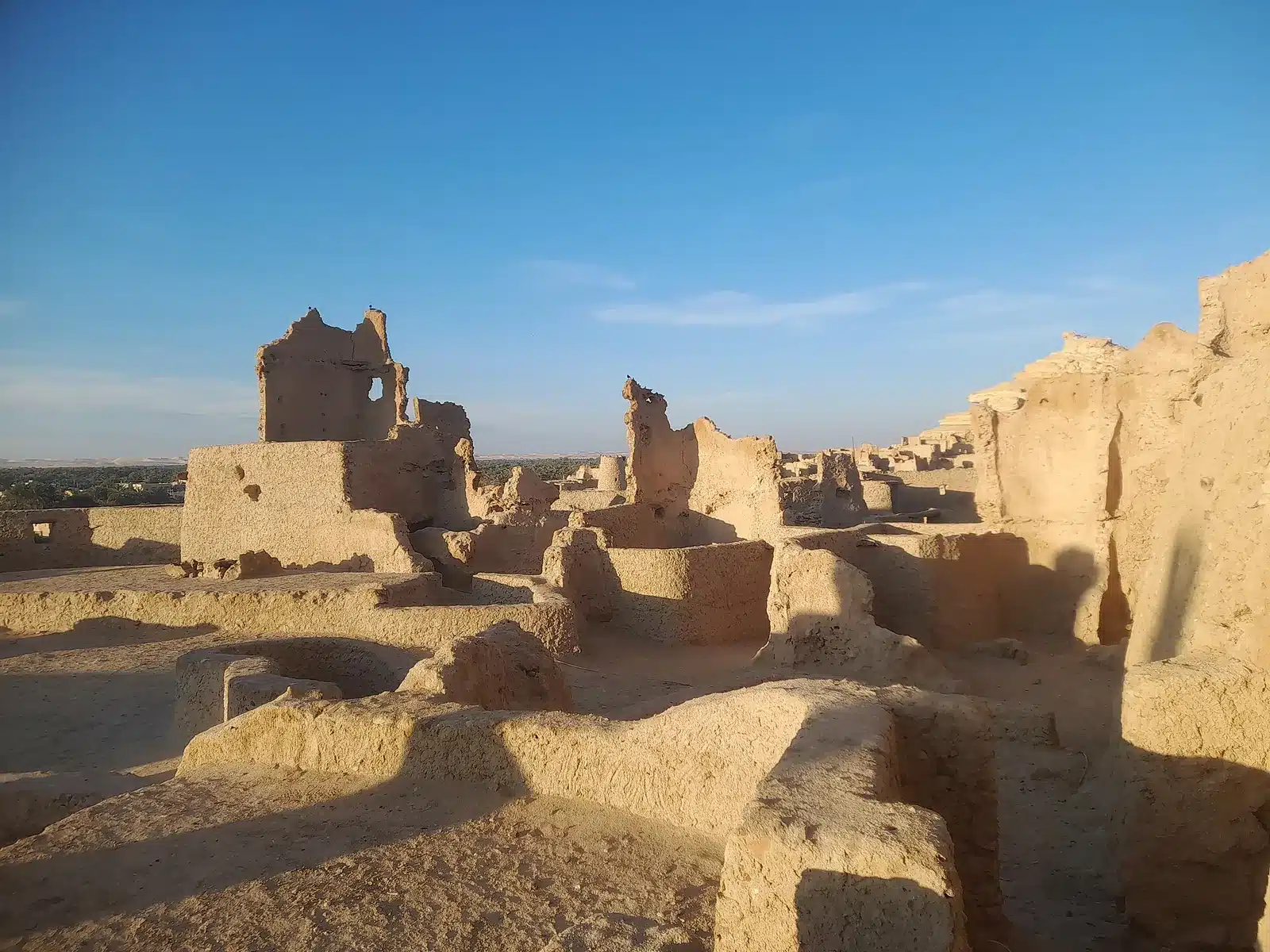
Kershef—or karshif—is the local building material that gives Shali its distinctive form. It uses salt-rich earth from the oasis environment mixed with clay and mud. Builders shaped the material into walls and used palm trunks and branches to span roofs. Surfaces were then maintained with protective earthen finishes.
In Siwa’s dry climate, kershef can become remarkably hard. Its thick walls also moderate temperature, making interiors more comfortable during hot days and cold desert nights. The material was local, repairable and suited to a community far from the Nile Valley’s industrial supply routes.
However, kershef is not waterproof. Sustained or unusually heavy rain can soften salt-rich walls, wash away protective surfaces and expose palm timbers. That vulnerability is central to Shali’s later history. The same material that performed well in a dry oasis required regular knowledge and maintenance.
How to recognize kershef during your visit
Look closely at a safe, exposed section without touching it. You may see an irregular, granular texture rather than standardized bricks. Palm logs project from some walls or roof lines, showing how upper floors were supported. Rounded corners and sloping wall profiles are not simply decorative; they reflect the material, repeated repair and long weathering.
What happened to Shali Fortress?
Travel stories often say Shali “melted” during three days of rain in 1926. Heavy rainfall in the 1920s—most commonly dated to 1926—did cause serious damage and accelerated residents’ move to newer houses outside the fortress. But the simplified version leaves out a useful lesson.
Old Shali was a living earthen town that depended on continuous repair. Some buildings had already become less practical as families wanted easier access, more space and modern services. When occupation and maintenance decline, earthen structures become more vulnerable. Rare rainstorms then expose weaknesses quickly. The abandonment was therefore a process, even if one storm became its most famous turning point.
The standing ruins are not evidence that kershef was a failed material. A locally maintained settlement survived for centuries. Its deterioration shows the relationship between climate, craftsmanship, occupation and maintenance.
The 2018–2020 restoration of Shali
A major project to revive historic Shali began in 2018 and was inaugurated in 2020. The initiative involved Egyptian authorities, the European Union and Environmental Quality International. According to Egypt’s Ministry of Tourism and Antiquities, the project stabilized damaged structures, reopened lanes and restored most of the surrounding wall using materials compatible with the old town.
The official report states that 95% of the wall surrounding the fortress was restored or conserved, while collapsed sections were stabilized with original-style materials. The project also followed earlier restoration work at Shali’s historic mosques. This was not an attempt to rebuild every vanished house as a new-looking replica. Good conservation needs to protect the legible ruin, preserve authentic fabric and make selected routes safer.
The European Union described the project as both heritage conservation and local economic development. Reviving paths, traditional markets and community activity can keep the site relevant to Siwans rather than turning it into an isolated archaeological display.
What can you see inside Shali Fortress today?
1. The maze of lanes and houses
The most memorable experience is walking between walls that once belonged to tightly packed homes. Door openings, short stairways, roof beams and room outlines reveal how vertical the town was. Some houses rose several levels, making the hill appear higher and more defensive.
2. The Old Mosque
Shali’s Old Mosque is one of its most recognizable landmarks, with a distinctive tapering minaret. Treat it as a religious building, not merely a photo prop. Access can depend on local arrangements, prayer times and conservation needs. Dress respectfully and follow any instructions at the entrance.
3. Defensive walls and historic gates
The surviving and restored perimeter helps explain the town’s original function. Ask a local guide to identify the historic gate locations and explain how circulation changed as the community expanded.
4. Wells and service spaces
Shali’s wells and working spaces are less visually dramatic than a sunset, but they explain survival. Water, food storage and olive processing mattered as much as walls. Never lean over an unprotected shaft or enter a restricted chamber.
5. Panoramic views
From higher accessible points, modern Siwa, palm groves, salt lakes and desert escarpments spread in different directions. The view connects the historic town to the landscape that supported it. It is also why late afternoon is popular.
How to visit Shali Fortress Siwa
Location and getting there
Shali stands in central Siwa town, so many hotels and restaurants are close by. If you stay centrally, you may be able to walk. From a more remote ecolodge, arrange a car or tuk-tuk. Travelers coming from Cairo should first plan the long overland journey; our Cairo to Siwa transport guide compares private transfers and buses realistically.
Opening times and entry
Visitor access, operating hours and fees can change with management, conservation work and local events. Check current arrangements in Siwa on the day rather than relying on an old price copied across travel blogs. Even when main lanes are open, individual rooms, rooftops or mosque areas may be restricted.
How long to spend
Allow 60–90 minutes for a worthwhile visit. A fast climb for one photograph can take less, but it misses the architecture and community history. History enthusiasts and photographers may want two hours, particularly in soft evening light.
Best time of day
Late afternoon offers cooler conditions and warm light, but start early enough to descend safely. Morning is quieter and works well in warmer months. Seasonal temperatures vary considerably; compare them in our best time to visit Siwa guide.
What to wear and carry
- Secure shoes with grip for dusty, uneven paths and steps.
- Water, sun protection and a hat, even for a relatively short visit.
- Modest clothing that respects the conservative oasis community and mosque areas.
- A light layer in winter, when the temperature drops after sunset.
- A small camera bag that leaves your hands free on stairs.
Accessibility and children
The lower lanes offer useful views, but higher routes involve irregular steps, slopes and exposed edges. Full access may be difficult for travelers with limited mobility. Children need close supervision. Tell your tour planner about mobility needs before arrival so the visit can focus on safe, meaningful viewpoints.
Is Shali Fortress free to visit?
Access arrangements have varied, and particular managed sections or experiences may have different rules. Do not build an itinerary around a fixed online price unless it has been confirmed locally. A private guide fee is separate from any official site charge and should be agreed in advance.
What matters is not squeezing the stop into the cheapest possible ten minutes. A local explanation of kershef, the gates, wells and restoration makes the ruins understandable and supports expertise within the oasis.
Is Shali Fortress safe to climb?
Use only open, established visitor routes. Kershef can look solid while remaining fragile at an edge or after weathering. Never climb walls, step onto an unmarked roof, enter a dark chamber or cross a barrier for a photograph. Conditions can change after rain or conservation work.
Footwear and timing matter. Descending dusty steps after darkness is very different from walking them in daylight. If your goal is sunset, photograph the color while keeping enough light for the return route.
How Shali fits into a Siwa itinerary
Old Shali works well on the arrival afternoon because it is central and does not require a long drive. After the road from Cairo, a gentle orientation walk is usually better than immediately launching into a full desert program.
Three-day trip
Visit Shali on arrival or combine it with the market and a nearby sunset. Reserve the next day for eastern-oasis archaeology, including the Oracle of Siwa and Temple of Amun, and keep a major block for the Great Sand Sea.
Four-day trip
Four days give Shali more space. You can walk the fortress without sacrificing salt lakes or a proper Siwa desert safari. This is our preferred duration for many first-time visitors. See the full sequence in our Siwa itinerary guide.
Five-day trip
A longer stay suits architecture lovers and photographers. Return to Shali in different light, spend more time with craftspeople, and add relaxed oasis experiences. Our Siwa hotel guide helps you choose between a central base near Shali and an outlying ecolodge.
What to combine with Old Shali
- Siwa market: an easy walk for dates, olives, baskets, embroidery and daily town life.
- House of Siwa Museum: useful context for clothing, tools, domestic life and oasis traditions; verify opening locally.
- Mountain of the Dead: rock-cut tombs from several ancient periods.
- Oracle Temple: a separate ancient sanctuary at Aghurmi, not part of the medieval fortress.
- Salt lakes: brilliant water and a very different landscape experience.
- Great Sand Sea: dunes, springs and optional Siwa sandboarding.
For budgeting, read our guide to Siwa tour costs from Cairo. The real price depends on vehicle, hotel standard, desert activities, group size and what is included—not on the Shali stop alone.
How to visit Shali responsibly
Do not remove pieces of kershef, carve names, lean on fragile walls or use drones without the required permission. Respect prayer, private homes and people who work around the site. Ask before photographing residents or shopkeepers.
Support the living culture as well as the monument. Buy well-made crafts directly from local producers, use a local guide and avoid treating Siwa as an empty desert backdrop. The strongest restoration is one that keeps knowledge, work and value in the community.
Frequently asked questions
How old is Shali Fortress Siwa?
It is more than 800 years old. Official and modern sources broadly place its foundation in the twelfth or early thirteenth century, with later expansion and rebuilding.
What does Shali mean?
Shali is commonly translated from the Siwi language as “city” or “town.” The fortress was the historic town itself, not just a military building.
What is Shali Fortress made from?
Its characteristic material is kershef, using salt-rich local earth, clay and mud. Palm trunks and branches were used in roof construction.
Why was Shali abandoned?
Heavy rain in the 1920s, often dated to 1926, badly damaged vulnerable buildings and accelerated relocation. Changing housing needs and reduced maintenance also contributed to a longer process of abandonment.
Can you go inside Shali Fortress?
You can normally walk designated lanes and viewpoints, but individual rooms, rooftops or religious spaces may be restricted. Follow current signs and local staff.
When is the best time to visit Shali?
Morning is quieter, while late afternoon offers cooler temperatures and warm light. Start early enough to leave higher paths before darkness.
Is Shali Fortress suitable for children?
Families can enjoy the lower routes, but uneven steps and exposed edges require close supervision. Avoid letting children climb walls or enter restricted spaces.
Can Shali Fortress be included in a private Siwa tour?
Yes. Shali is a core stop on both our 3-day private Siwa tour and 4-day Siwa Oasis tour from Cairo.
Plan a private visit to Shali Fortress
Egypt Safari Travel plans private Siwa journeys around real road times, current local conditions and the interests of each group. We can give Shali proper context, then connect it with the Oracle Temple, salt lakes, springs and Great Sand Sea without turning the oasis into a rushed checklist.
Contact us to plan your private Siwa trip, including the right hotel area, desert format and pace for your dates.
Research note: Historical and restoration details were checked against the Egyptian Ministry of Tourism and Antiquities, the Delegation of the European Union to Egypt and Ahram Online’s conservation report. Visitor access and local fees can change, so practical details should be reconfirmed close to travel.