Cleopatra Spring Siwa is one of the easiest and most enjoyable stops to add to an oasis sightseeing day. The circular stone pool sits among palm groves near Umm Ubeida, a short local drive from Siwa town, and clear spring water rises continuously into a place where residents and travellers have cooled off for generations.
The famous name comes with an important caveat: there is no reliable evidence that Cleopatra VII actually bathed here. The spring is also known as Cleopatra’s Bath, Cleopatra’s Pool, Ain Cleopatra and Ain Juba. Its real value is not a royal legend but the living Siwan setting – flowing water, local cafes, palm shade and an easy connection to the Temple of Umm Ubeida, the Oracle of Amun and other oasis sights.
This guide explains the history and naming honestly, what swimming feels like, local etiquette, facilities, the best time to visit, how to get there and how to combine the spring with a private Siwa itinerary. For the bigger destination picture, start with our complete Siwa Oasis Egypt travel guide.
Cleopatra Spring Siwa: quick visitor facts
- What it is: a natural freshwater spring flowing into a circular stone pool.
- Other names: Cleopatra’s Bath, Cleopatra’s Pool, Ain Cleopatra and Ain Juba.
- Location: southeast of central Siwa near Umm Ubeida, reached by a short local drive.
- Time needed: 30-60 minutes for a relaxed stop, longer if you swim or sit at a cafe.
- Best season: October to April for comfortable sightseeing weather.
- Best time of day: early morning for a quieter atmosphere or late afternoon for softer light.
- Swimming: usually possible, but enter carefully, follow local conditions and do not expect a lifeguard.
- Facilities: simple cafes and changing options may be available, but standards and opening times vary.
- Main myth: the name is traditional; Cleopatra’s visit is not historically proven.
If you want transport, historic sites and the spring arranged as one coherent experience, compare our 3-Day Siwa Oasis Tour from Cairo and the slower-paced 4-Day Siwa Oasis Tour from Cairo.
What is Cleopatra’s Spring?
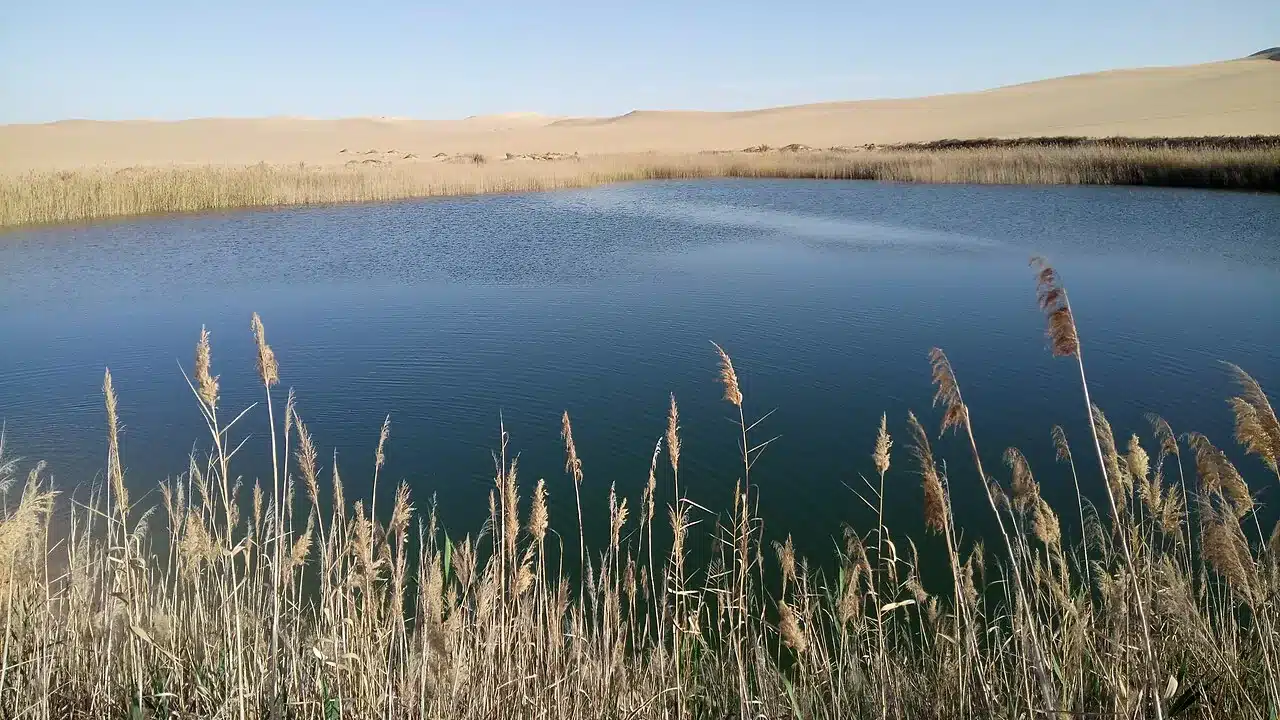
Cleopatra’s Spring is a natural spring that feeds a round, stone-lined pool. Water rises from below and overflows into channels that support the surrounding oasis landscape. It is not a turquoise salt-mine pool, not a luxury spa and not the same experience as the hot sulfurous water of Bir Wahed in the Great Sand Sea.
The pool is part of everyday Siwa rather than an isolated archaeological monument. You may see local residents, visitors, small cafes, palm groves and vehicles moving through the same compact area. That living context is what makes the stop memorable, but it also means travellers should arrive with realistic expectations and respect local customs.
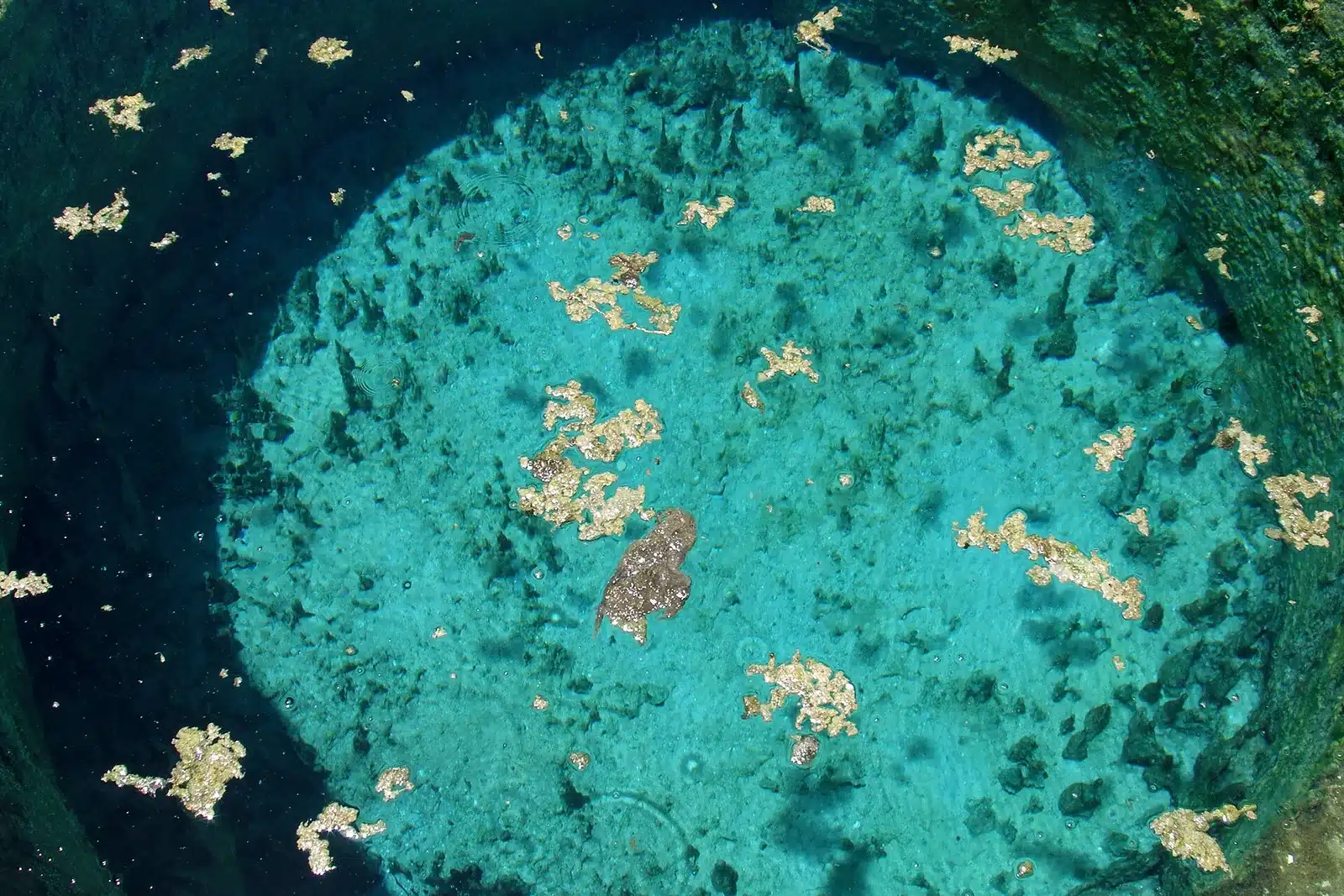
Photographs can make the water appear intensely blue, especially in bright sun. In person, colour changes with light, shade, water movement and the angle from which you see the pool. The setting feels more intimate than many online images suggest.
Did Cleopatra really bathe here?
No surviving evidence proves that Cleopatra VII visited or bathed in this particular spring. Egypt’s official tourism portal describes the connection as a rumour, which is the most responsible way to present it. The royal name is a powerful travel story, but it should not be repeated as confirmed history.
Ancient writers described remarkable springs in the land associated with the Oracle of Amun, and later travellers connected local water sources with classical stories. Over time, the pool became known internationally as Cleopatra’s Bath. Another traditional name, Ain Juba or Juba Spring, appears in Egyptian tourism and heritage material.
The honest interpretation is more interesting than a fabricated certainty: this is an ancient oasis water source in a landscape used for thousands of years, carrying layers of local, classical and modern tourism memory. Visit it for the living spring and Siwan atmosphere, not for a promise that a famous queen stood in the same pool.
Cleopatra’s Spring, the Pool of the Sun and Ain Juba
Travel guides sometimes use several names interchangeably. Cleopatra’s Spring and Cleopatra’s Bath usually refer to the same popular circular pool near Umm Ubeida. Ain Juba is another name attached to the spring. “Pool of the Sun” or “Fountain of the Sun” comes from the classical tradition of a celebrated spring in the ancient Ammonian oasis.
Names do not always map neatly onto modern archaeological certainty. That is why a good local guide distinguishes between what ancient sources describe, what local tradition preserves and what can be verified at the present site. This approach gives travellers a clearer story without taking away the romance of the oasis.
Can you swim in Cleopatra Spring Siwa?
Visitors commonly enter the pool, but swimming conditions are informal. There may be no lifeguard, no standard depth markers and no resort-style management. The stone rim and steps can be wet or slippery, and the experience can be busy when local groups and tours arrive together.
Ask your driver or guide whether swimming is appropriate that day. Enter slowly at the usual access point, avoid diving and keep children within arm’s reach. If you are not a confident swimmer, staying on the edge and dipping your feet can still be enjoyable.
Practical swimming precautions
- Check the entry point and depth before getting in.
- Do not dive or jump from the stone edge.
- Use secure sandals around wet and uneven surfaces.
- Keep valuables with a trusted companion or in a dry bag.
- Avoid entering with an open wound or active skin irritation.
- Supervise children continuously; do not rely on other swimmers.
- Leave the pool if the water, crowding or local conditions feel unsuitable.
This is practical travel guidance, not a guarantee about water quality or medical suitability. Conditions can change, and travellers with health concerns should follow professional medical advice.
Is Cleopatra’s Spring a hot spring?
The water is often described as pleasantly warm or stable compared with the changing desert air, but Cleopatra’s Spring should not be marketed as a dramatic hot-spring experience. It feels very different from Bir Wahed, where visitors expect distinctly hot sulfurous water during a licensed desert excursion.
Perception also changes by season. A winter morning can make spring water feel warmer than the air, while a very hot summer afternoon can make the same pool feel refreshing. If hot springs are your priority, tell the operator clearly so the itinerary includes the correct location rather than assuming every Siwa spring is the same.
What is the best time to visit?
October to April is the most comfortable period for a full Siwa sightseeing day. Air temperatures are easier for walking between ruins, springs and palm groves. Winter mornings and evenings can be cool, so bring a layer even if you plan to swim. March, April, October and November often balance pleasant air with longer daylight.
Summer visits are possible, but the heat can make midday sightseeing tiring. Go early, carry drinking water and avoid building a packed outdoor schedule around the harshest hours. Our best time to visit Siwa Oasis guide compares temperatures, wind and seasonal trade-offs month by month.
Morning or late afternoon?
Early morning offers the best chance of a quieter pool and comfortable light. Cafes or changing spaces may not all be fully active at the earliest hour, so confirm arrangements with your driver. Late afternoon has softer light and fits naturally before a sunset stop, but crowds and daily schedules vary.
Midday can produce bright water colour in photographs, yet it also brings stronger glare and heat. The best time depends on whether your priority is swimming, photography, archaeology or a complete oasis route.
How to get to Cleopatra’s Spring from Siwa town
The spring lies southeast of central Siwa in the Umm Ubeida area. Most visitors arrive by tuk-tuk, local car, bicycle or as part of a guided sightseeing circuit. Travel time depends on where you stay and what else the driver includes, but it is a short local journey rather than a remote desert expedition.
A bicycle can be enjoyable in mild weather, although road conditions, sun and traffic should be considered. A local driver is more practical when combining several sites, carrying swim gear or travelling during hot weather. Do not confuse a town tuk-tuk outing with a Great Sand Sea safari, which requires a suitable 4×4 and different planning.
Siwa itself is a long overland journey from Cairo. Review transport choices, realistic travel time and rest stops in our Cairo to Siwa Oasis guide.
What facilities are available?
The area normally feels more developed than an isolated wilderness spring. Simple cafes and seating can make the visit social and relaxed, and some travellers use nearby spaces to change. However, do not assume fixed standards, lockers, lifeguards, showers or internationally styled changing rooms.
Bring a towel, dry clothes, drinking water, sun protection and a waterproof bag. Carry a modest cover-up for moving between the pool, cafes and local roads. Ask before using a private changing area and buy refreshments when using a cafe’s facilities.
What should you wear?
Siwa has a conservative Amazigh community. Swimwear may be used at the pool, but a cover-up is appropriate away from the water. Avoid walking through public areas in revealing swimwear. Follow your guide’s advice, especially when local families are present.
Do not photograph residents or swimmers without permission. A wide composition of the pool and palms is usually more respectful than pointing a camera directly at people changing or entering the water.
Cleopatra’s Spring versus the Siwa salt lakes
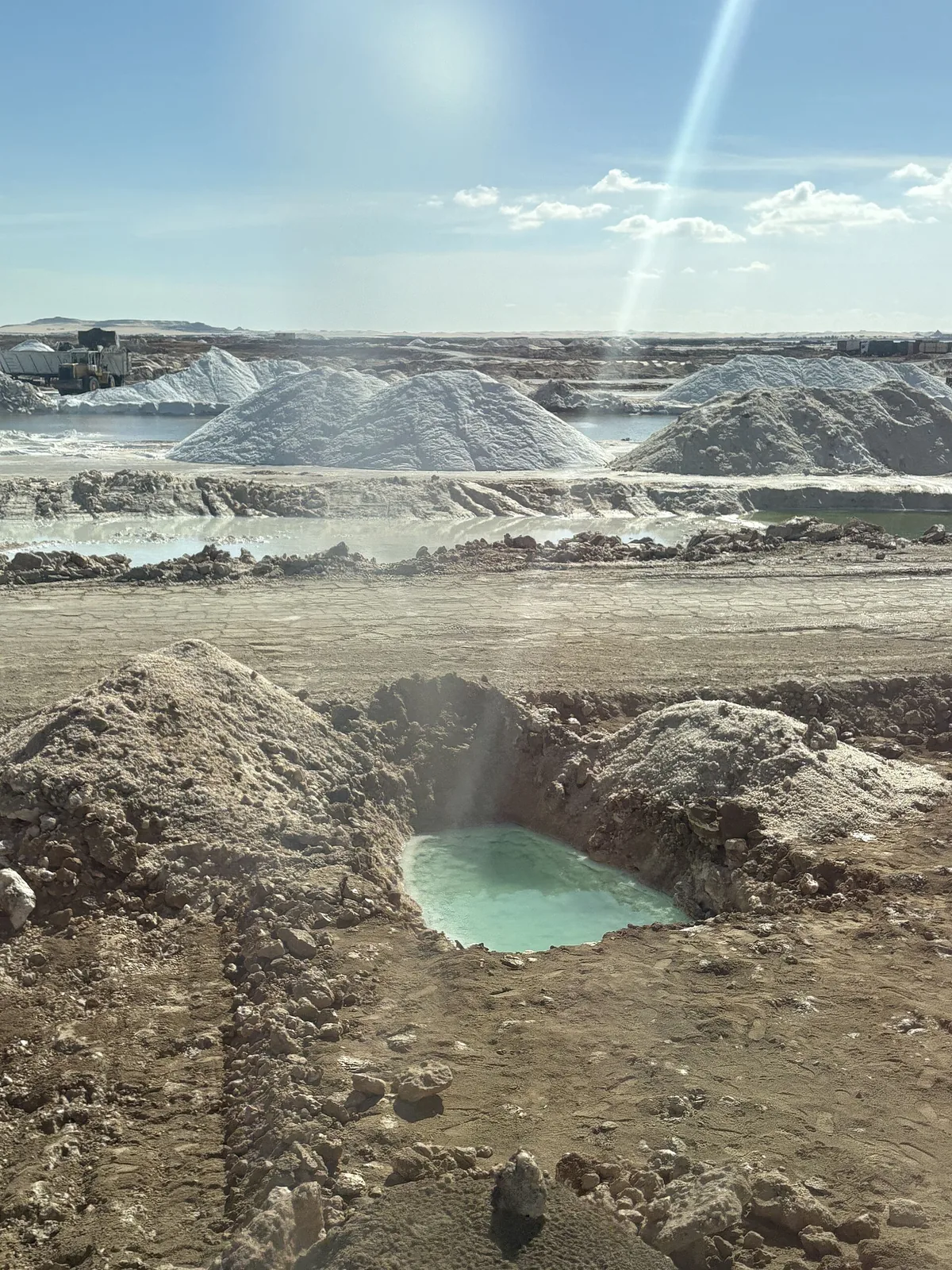
| Feature | Cleopatra’s Spring | Siwa salt pools |
|---|---|---|
| Water | Fresh spring water | Highly saline brine |
| Experience | Swimming, cooling off and cafes | Effortless floating and turquoise photography |
| Setting | Stone pool among palms and local facilities | Salt-extraction landscape with limited shade |
| Main caution | Slippery edge, informal depth and no guaranteed lifeguard | Sharp salt crust, stinging cuts and brine in the eyes |
| Time | Easy short stop on an oasis circuit | Allow a half day with transport and rinsing |
The two experiences complement each other. Many travellers visit the salt pools first and use a planned freshwater stop later, but the exact route should reflect current access and local advice. Read our detailed Siwa Salt Lakes Egypt guide before deciding what to pack.
Best places to combine with Cleopatra’s Spring
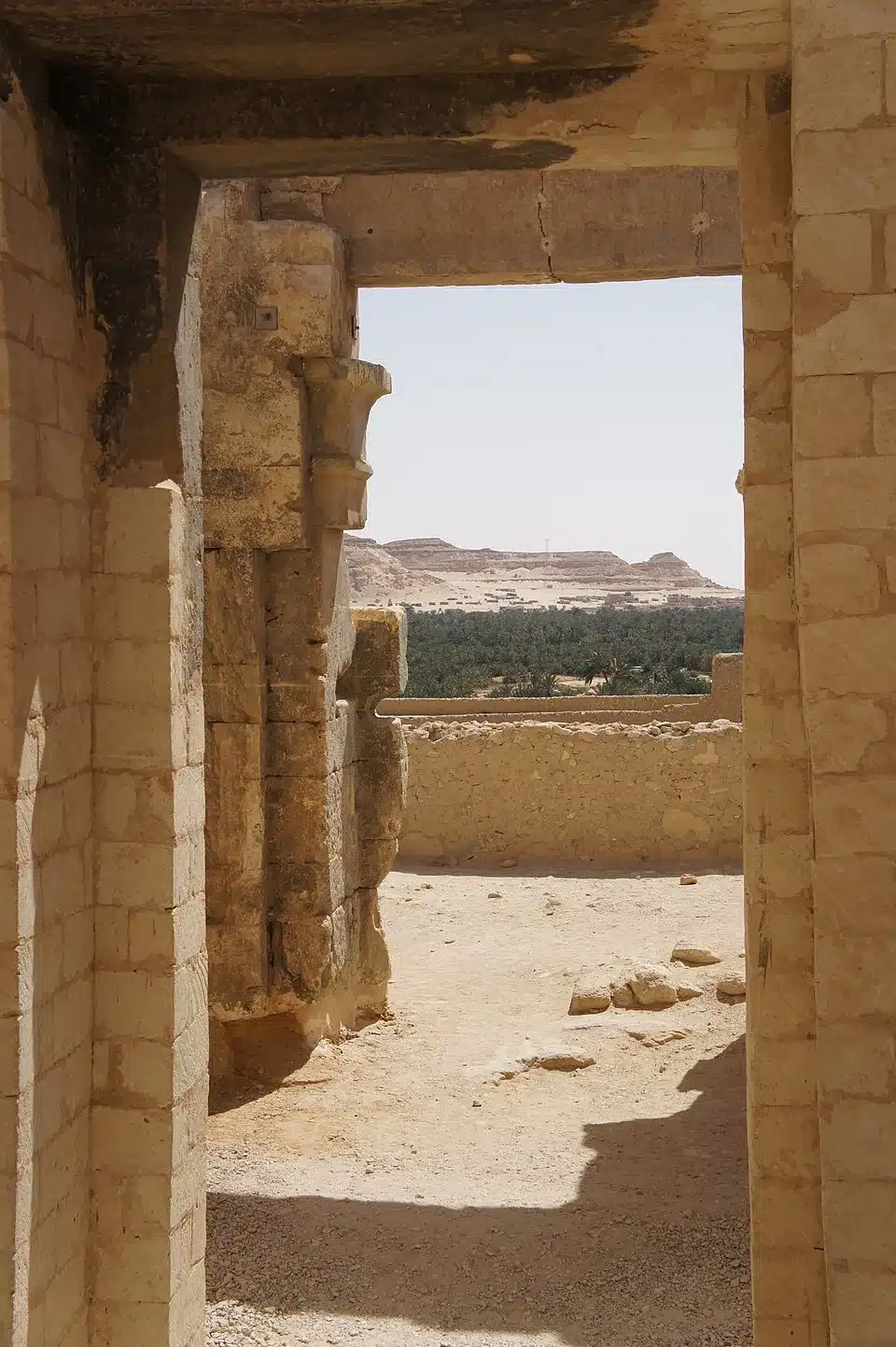
Temple of Umm Ubeida
The remains of the Temple of Amun at Umm Ubeida are close enough to form part of the same local circuit. Although little survives compared with the Oracle Temple at Aghurmi, the site helps explain how the spring sits inside a much older sacred and agricultural landscape.
Oracle of Siwa at Aghurmi
The hilltop Oracle Temple is the essential historical pairing. It is associated with Alexander the Great’s journey to the oracle and offers broad views across the oasis. Our Oracle of Siwa and Temple of Amun guide explains the history, surviving rooms and the difference between Aghurmi and Umm Ubeida.
Shali Fortress
Old Shali is the historic core of Siwa and a natural morning or late-afternoon stop. Its kershef walls explain how salt, mud and palm materials shaped local architecture. Use our Shali Fortress Siwa guide to plan the walk without rushing the citadel.
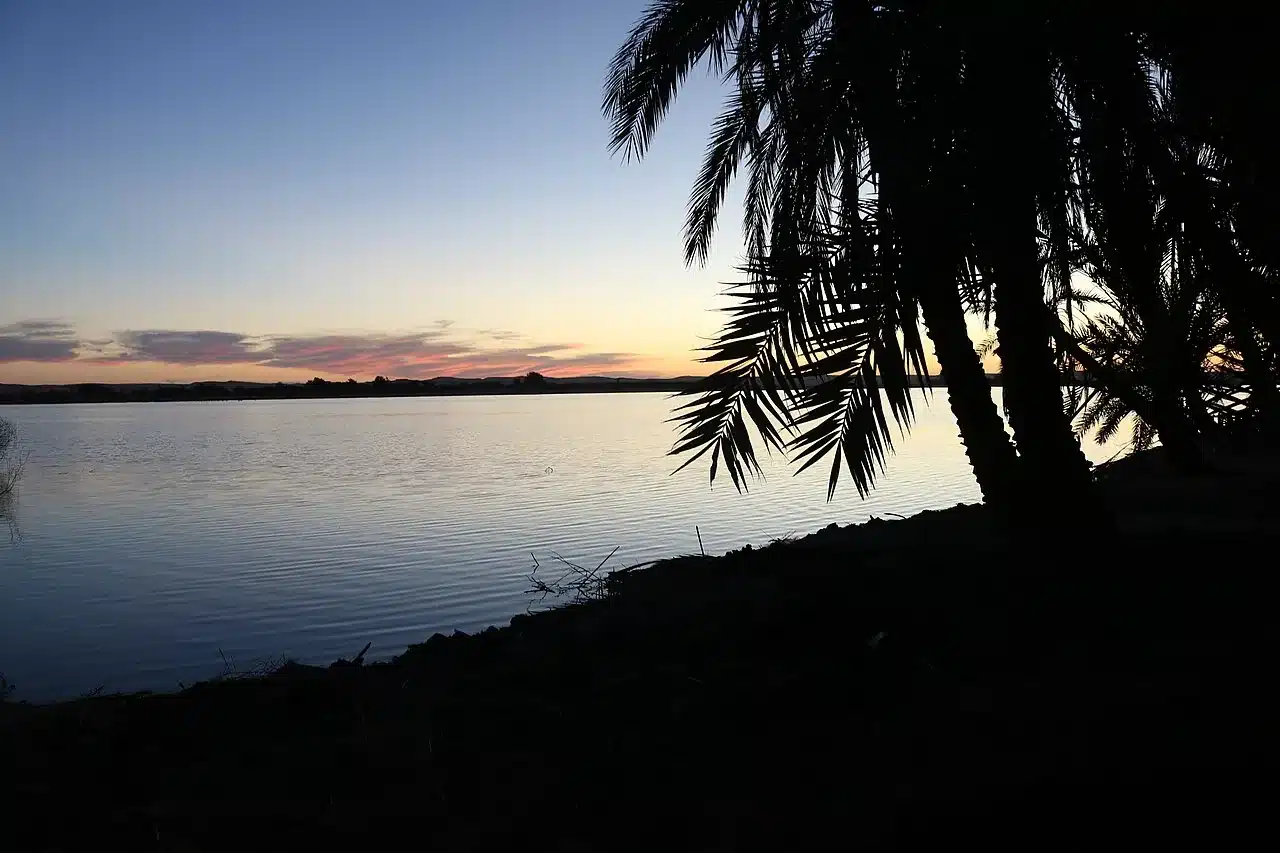
Fatnas Island for sunset
A well-paced day can finish beside the lake at Fatnas. It is a landscape and sunset stop, not another version of the small salt pools. Allow enough travel time so you are not leaving Cleopatra’s Spring in wet clothes and racing the sunset.
A realistic half-day route
- Oracle Temple: visit Aghurmi before the strongest heat and learn the historical context.
- Umm Ubeida: stop at the surviving temple remains and understand the sacred landscape.
- Cleopatra’s Spring: swim if conditions suit, change and take a relaxed cafe break.
- Palm-grove drive: continue through the cultivated oasis rather than returning by the fastest road.
- Salt lakes or Fatnas: choose one substantial final experience according to time, light and energy.
This route avoids treating the spring as an isolated photo stop. If you have only three days, balance the oasis circuit against the Great Sand Sea. Our Siwa Oasis itinerary for 3, 4 or 5 days shows what realistically fits.
Common mistakes to avoid
- Presenting the Cleopatra story as proven fact. Treat it as tradition, not evidence.
- Confusing freshwater with salt pools. The packing and swimming experience are different.
- Diving without checking depth. Enter slowly at the normal access point.
- Expecting a luxury spa. This is an informal local spring with simple facilities.
- Arriving in swimwear without a cover-up. Respect Siwa’s conservative public culture.
- Photographing people without permission. Protect the privacy of residents and other swimmers.
- Rushing every nearby attraction. Choose a coherent half-day route.
- Using an old fee or opening-time post as a guarantee. Confirm current conditions locally.
Responsible travel at a living Siwan spring
Cleopatra’s Spring is not only a tourism asset. Water, palm agriculture and community life are inseparable in an oasis. Take all rubbish away, avoid disposable plastic where possible and do not pour cosmetics or other products into the pool. Follow local instructions when maintenance or community use changes access.
Spend locally at small cafes, hire Siwan drivers and allow guides to explain customs in their own context. The Egyptian Ministry of Tourism and Antiquities identifies Cleopatra’s Spring as one of Siwa’s important ecotourism sites, while Experience Egypt presents the royal connection as a rumour rather than established fact. See the Ministry’s Siwa overview, the official Experience Egypt destination guide and the State Information Service Siwa page.
Frequently asked questions
Is Cleopatra Spring Siwa worth visiting?
Yes, when included in a broader oasis route. It offers an easy swimming stop, palm-grove atmosphere and a useful connection between the Oracle Temple and Umm Ubeida.
Did Queen Cleopatra bathe in the spring?
There is no reliable evidence that Cleopatra VII bathed here. The name is a longstanding tradition and tourism story rather than proven history.
Is the water salty?
No. Cleopatra’s Spring is a freshwater spring and should not be confused with Siwa’s highly saline turquoise pools.
Is Cleopatra’s Spring hot?
The water may feel pleasantly stable or warm compared with the air, but it is not the same dramatic hot-spring experience as Bir Wahed.
Can women swim at Cleopatra’s Spring?
Women travellers do swim, but the setting is public and culturally conservative. Use suitable swimwear, carry a cover-up and follow local advice on the day.
Is there an entrance fee?
Arrangements can change and nearby facilities may have their own expectations. Ask your driver about the current situation rather than relying on an old online price.
How long should I spend there?
Allow 30-60 minutes for a normal stop, and longer if you want to swim, change clothes and relax at a cafe.
Can children swim?
Families can visit, but adults should supervise children continuously. There is no guarantee of a lifeguard or standard depth marking.
Can I visit without a tour?
Yes, by tuk-tuk, car or bicycle in suitable weather. A local guide becomes more valuable when combining the spring with archaeological sites and current access information.
Plan a private Siwa tour that converts travel time into experience
The spring itself is easy to visit; the real planning challenge is using your limited Siwa days well. Egypt Safari Travel can arrange Cairo transfers, locally selected accommodation, a sensible oasis circuit, the salt lakes and a properly planned Great Sand Sea session without compressing everything into one exhausting day.
Compare accommodation in our Siwa hotels and eco-lodges guide, understand realistic budgets in the Siwa tour cost guide, and see what a true desert session involves in our Siwa desert safari guide.
Browse all Siwa Oasis tours or contact Egypt Safari Travel with your dates, group size and preferred pace. We will recommend the shortest itinerary that still gives Cleopatra’s Spring, Siwa’s heritage and the desert enough time to feel memorable.