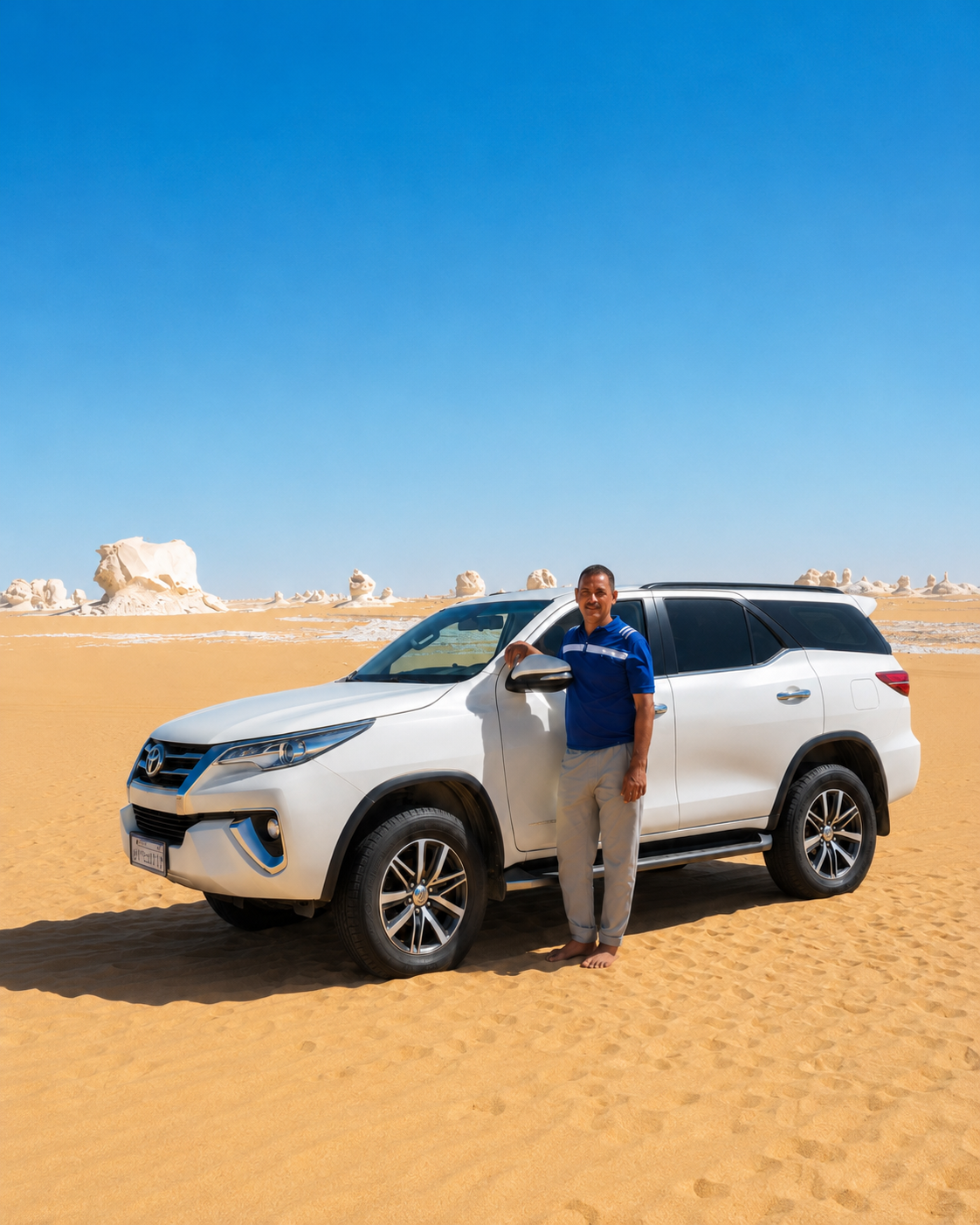
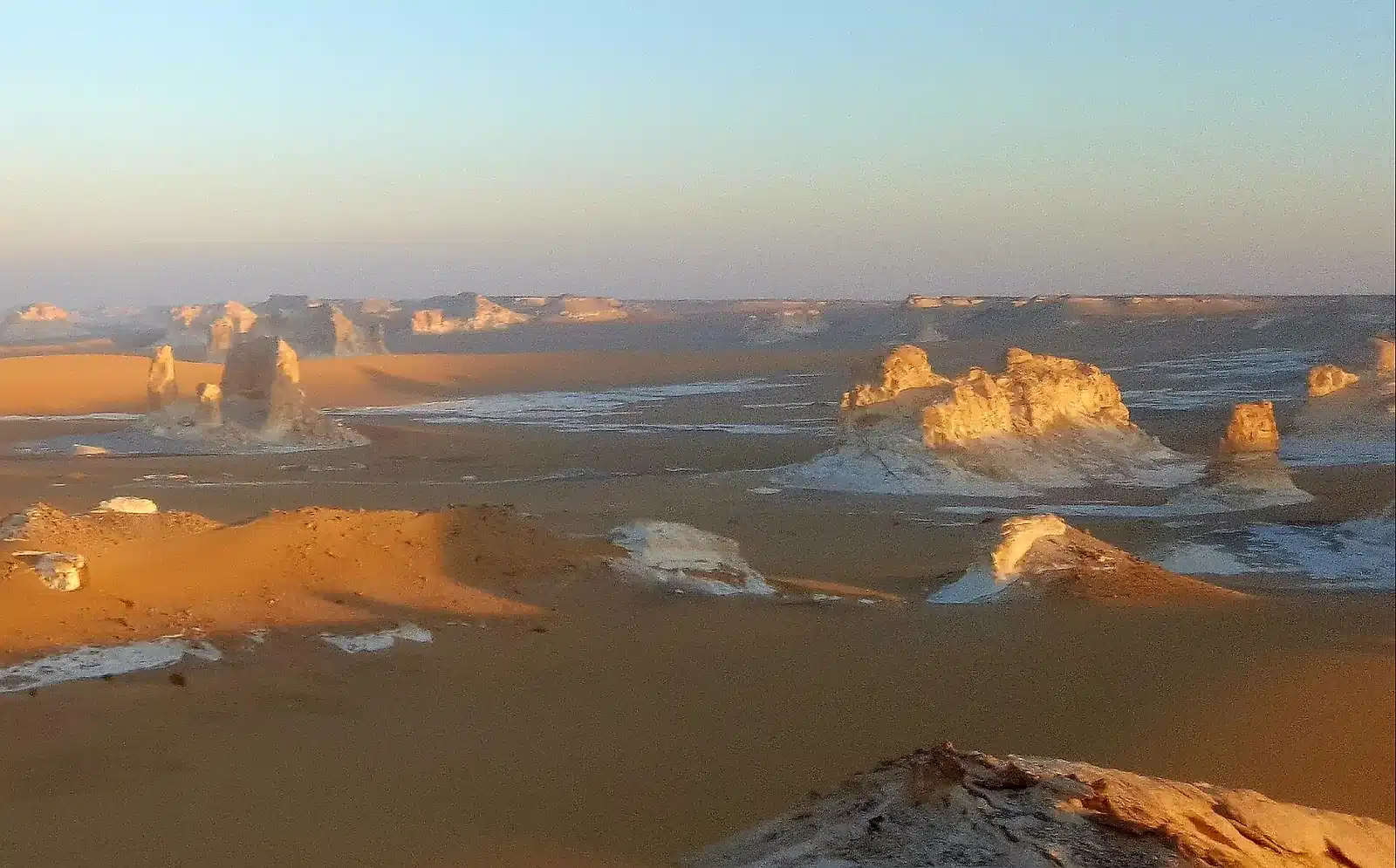
Best time to visit White Desert Egypt is usually from October to April, when daytime travel is more comfortable and an overnight camp is practical for most international visitors. Inside that broad window, the right month depends on what you value: the coldest clear nights, warmer evenings, quieter dates, photography, family comfort or combining the desert with Cairo and the Nile Valley.
This month-by-month guide avoids the misleading idea that one date is perfect for everyone. It explains daytime versus night conditions, wind, daylight, packing, school-holiday pressure and how weather changes the choice between a compact two-day safari and a slower route. Start with our complete White Desert Egypt guide if you are still deciding where the national park fits in your trip.
Best time to visit White Desert Egypt: quick answer
| Best overall balance | November and March |
|---|---|
| Coolest daytime exploring | December to February |
| Warmer camping nights | October, early November, late March and April |
| Best for first-time campers | November or March, with a proper cold-night setup |
| Best for stargazing | A cool-season trip near a dark moon, if sky conditions cooperate |
| Most demanding period | Late spring through summer because of heat and exposure |
| Trip length | Two days for highlights; three days for more flexible light and pacing |
If your Egypt dates are fixed, do not panic because the “best month” is unavailable. A well-equipped local team can adapt a cool-season itinerary to wind, temperature and daylight. The more important mistakes are choosing an unrealistic summer plan, packing only for Cairo weather or booking a crowded vehicle without understanding camp equipment.
Why the White Desert has two climates in one day
Desert travellers often prepare for heat and underestimate the night. The open landscape loses warmth quickly after sunset, while wind makes the apparent temperature feel lower. A winter afternoon can be comfortable in the sun, then a camp becomes genuinely cold before dawn. In shoulder months, daytime heat can still be strong but evenings are easier for people who dislike cold.
The Cairo forecast is not a reliable substitute. Bahariya and the White Desert are farther into the Western Desert, and your camp is exposed rather than surrounded by buildings. Check a regional forecast close to departure, but treat it as a planning input rather than a guarantee for one remote valley or camp zone.
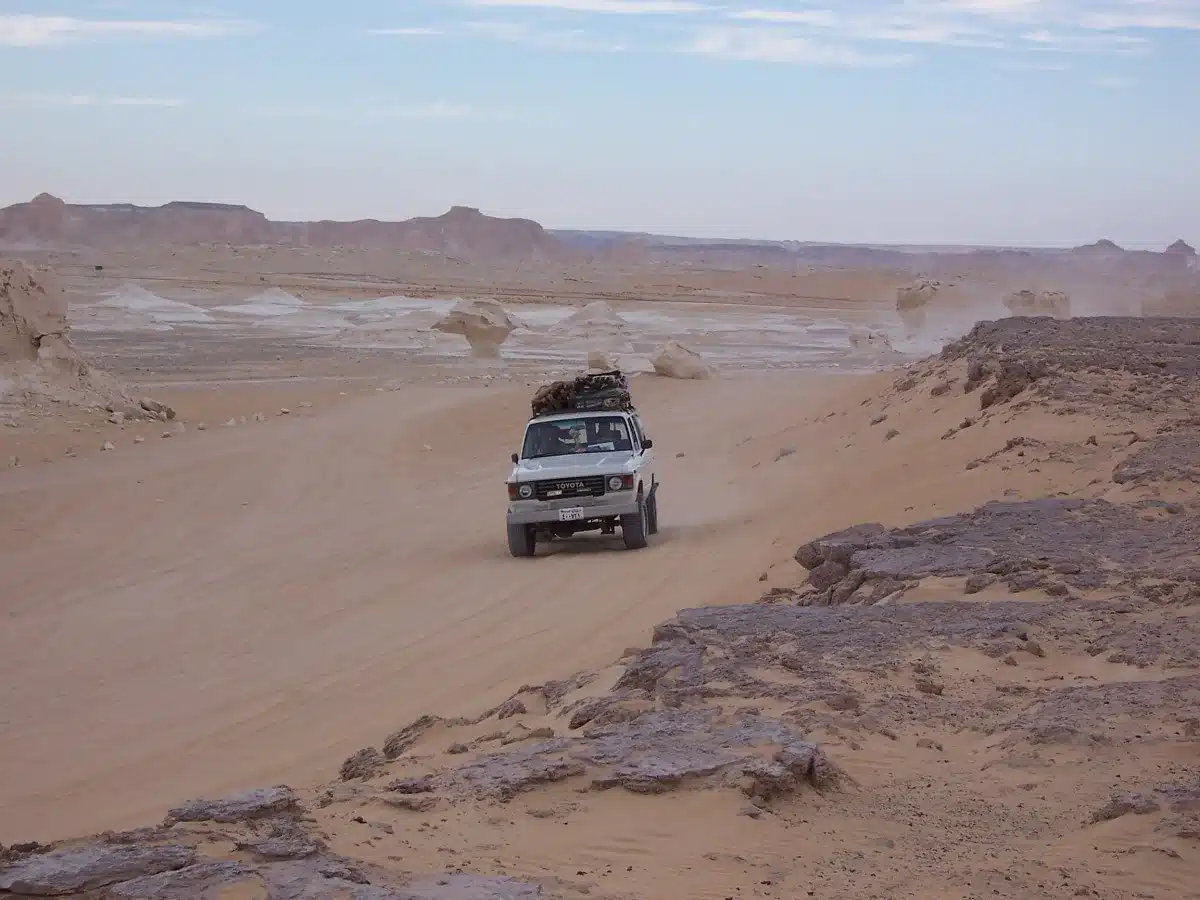
Month-by-month White Desert calendar
October: the season reopens
October is attractive for travellers who prefer warmer evenings and can manage stronger daytime sun. Early in the month may still feel hot during exposed stops, so route pacing, shade and water matter. Later October often offers a better balance. It is a useful choice when your larger Egypt itinerary includes places that also become more comfortable after summer.
November: best all-round balance
November is one of the easiest months to recommend. Days are generally friendlier for walking and photography, while nights are cool without always reaching the deepest winter chill. Demand can rise around international holiday periods, so confirm private vehicle arrangements and camp inclusions early rather than choosing only by price.
December: crisp days and cold camps
December gives strong cool-season conditions but demands proper insulation after dark. Travellers combining Christmas or New Year in Egypt should expect greater demand. Ask whether the sleeping bag, blankets and mattress are suitable for a cold desert night; “camping included” is not enough detail.
January: excellent exploring, coldest-feeling nights
January suits travellers who prioritise comfortable daytime activity and do not mind layering heavily at camp. Wind can make stops and dinner feel colder than expected. A hat, insulated outer layer, warm socks and a reliable sleeping system are more useful than wearing several thin cotton tops.
February: cool, photogenic and still wintry
February remains a strong month with similar winter advantages. Conditions can vary from calm sunlight to exposed wind, so keep the itinerary flexible. Photographers benefit when the schedule allows lower light at formations instead of racing to a fixed list of stops.
March: another excellent all-round choice
March often brings warmer days and less severe-feeling nights than midwinter. It is especially good for families and first-time campers who want comfort without summer heat. Wind or dust can still occur, so an experienced team needs a backup camp position and sensible route timing.
April: warmer, with increasing daytime heat
April can work well early in the month, particularly for travellers who dislike cold nights. As the month progresses, exposed midday stops become more demanding. Build shade and water into the plan and avoid judging the desert only by the temperature at breakfast in Cairo.
May to September: possible is not the same as sensible
Some operators may accept summer departures, but severe heat increases discomfort and reduces margin for vehicle or health problems. Long road transfers, bright exposed surfaces and limited facilities make this a poor default season for most tourists. If dates cannot change, discuss alternatives honestly; an oasis-based itinerary or another region may be the better choice.
Best season for camping
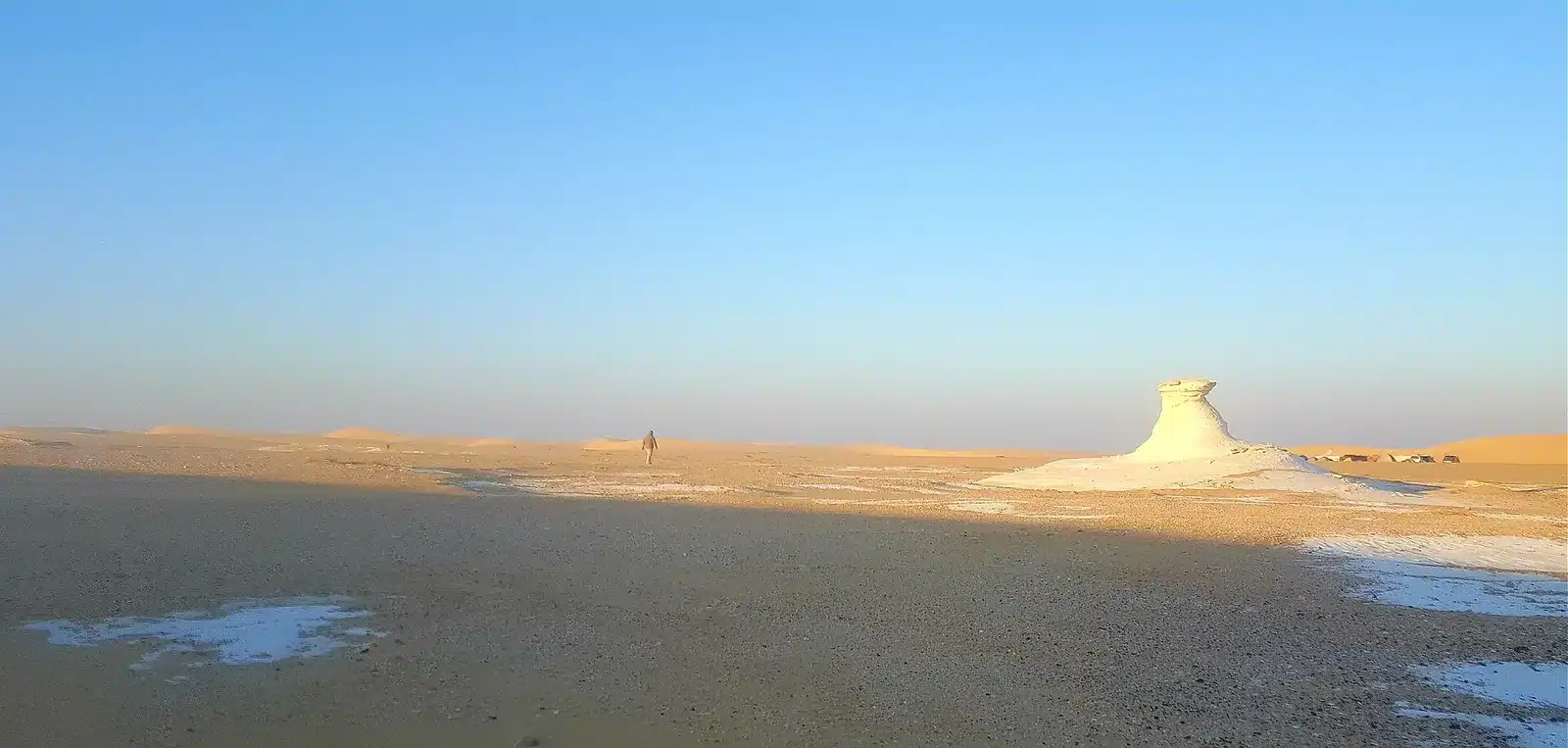
For most people, November and March offer the simplest balance between manageable days and tolerable nights. Winter camping can be beautiful, quiet and clear, yet equipment quality becomes decisive. Ask for the expected camp zone, mattress type, sleeping bag or blankets, wind shelter, toilet plan and whether you should bring an extra thermal layer.
Do not assume a luxury-looking tent photograph describes your actual setup. Many White Desert trips use mobile camps assembled by the local team. This can be comfortable and authentic when equipment is clean and well managed. Read our White Desert camping guide before comparing tour promises.
Best month for photography
There is no single guaranteed photography month because wind, dust, cloud and route timing matter on the day. November through March gives cooler conditions for carrying equipment and waiting for light. The larger improvement comes from itinerary design: a private or small-party trip that allows sunset, sunrise and unhurried stops will usually beat a rushed “best month” tour.
Ask the driver and guide which formations receive useful light from the planned direction. Keep batteries warm overnight, protect cameras from sand and change lenses inside the vehicle where possible. A tripod helps at camp, but never place it where people or vehicles need to move in darkness.
Best time for stargazing
A darker moon phase can reveal more stars, while a bright moon illuminates the chalk formations and creates its own dramatic landscape. Choose based on the image or experience you want. Check the lunar calendar for your camp night, not only your arrival date in Egypt.
Clear sky is never guaranteed. Dust, high cloud, wind and camp lighting affect visibility. Request that unnecessary lights are switched off for a short period after dinner, but respect safety around vehicles, cooking and walking. A red-light headlamp preserves night vision better than a bright phone torch.
Wind, sand and visibility
Wind is the most underestimated variable. It changes perceived temperature, makes meals and tents harder to manage and can carry fine sand into cameras. A responsible operator should adapt the camp location, secure equipment and modify exposed stops rather than promising that the published route never changes.
Keep a scarf or buff accessible, store small items in zipped bags and tell the guide if contact lenses become uncomfortable. Wind does not automatically cancel a trip, but unusually severe conditions may justify a route change or postponement. Safety decisions should take priority over a prepaid photo checklist.
How season changes a two-day versus three-day tour
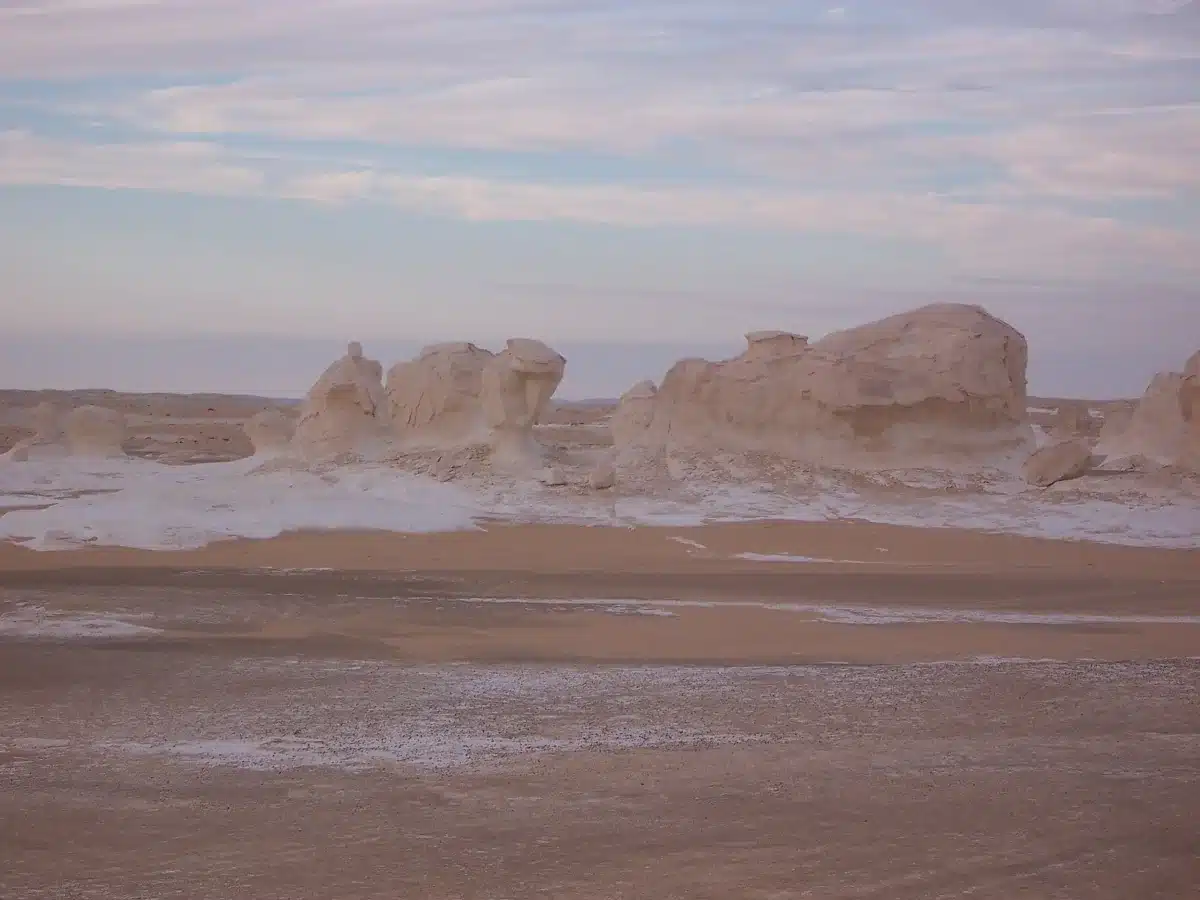
A two-day route has limited flexibility because the first morning includes the Cairo–Bahariya transfer and the second day returns to Cairo. In winter, shorter daylight makes punctual departure important. A late pickup can turn a meaningful Agabat visit into a quick stop before sunset. Review the current 2-Day White Desert Safari from Cairo when one camping night fits your schedule.
A three-day route provides more room to adjust to light, wind and family pace, but only if the written itinerary uses the extra time intelligently. See the 3-Day White Desert Safari from Cairo, then compare both structures in our 2-day vs 3-day White Desert tour guide.
Choosing dates for families and older travellers
November and March are often the easiest starting point because they reduce extremes. Families should consider the long Cairo transfer, child seating, food preferences, night toilet arrangements and whether children sleep comfortably in cold conditions. Older travellers should ask about getting in and out of the 4×4, mattress height and how much walking is optional.
Private pacing matters more than adding the word “family” to a tour title. Confirm maximum passengers, stop frequency and whether an early return or hotel night in Bahariya is possible if camping becomes uncomfortable.
What to wear by season
October, November, March and April
- breathable daytime clothing that covers shoulders and legs;
- sun hat, sunglasses and high-protection sunscreen;
- closed shoes;
- a warm fleece or light insulated jacket for evening;
- a scarf or buff for wind and dust.
December, January and February
- the same sun protection for daylight;
- thermal base layer for camp;
- insulated jacket and warm hat;
- warm socks and closed footwear;
- sleep clothing kept dry in a sealed bag.
Layering is better than one heavy item because conditions change rapidly between the sunny vehicle, shaded stops and camp. Avoid loose plastic waste and secure light items before wind carries them away.
Price and demand by season
Prices are driven more by party size, private or shared operation, number of nights, Cairo transfer and camp setup than by temperature alone. Holiday demand can reduce availability even when the listed base price is unchanged. Compare complete quotes with the same group size and inclusions using our White Desert tour price guide.
Booking the cheapest last seat is not a saving if it means an overcrowded 4×4, unclear pickup or inadequate bedding. Ask for a written inclusion list and cancellation terms, especially when travelling during Christmas, New Year or major holiday periods.
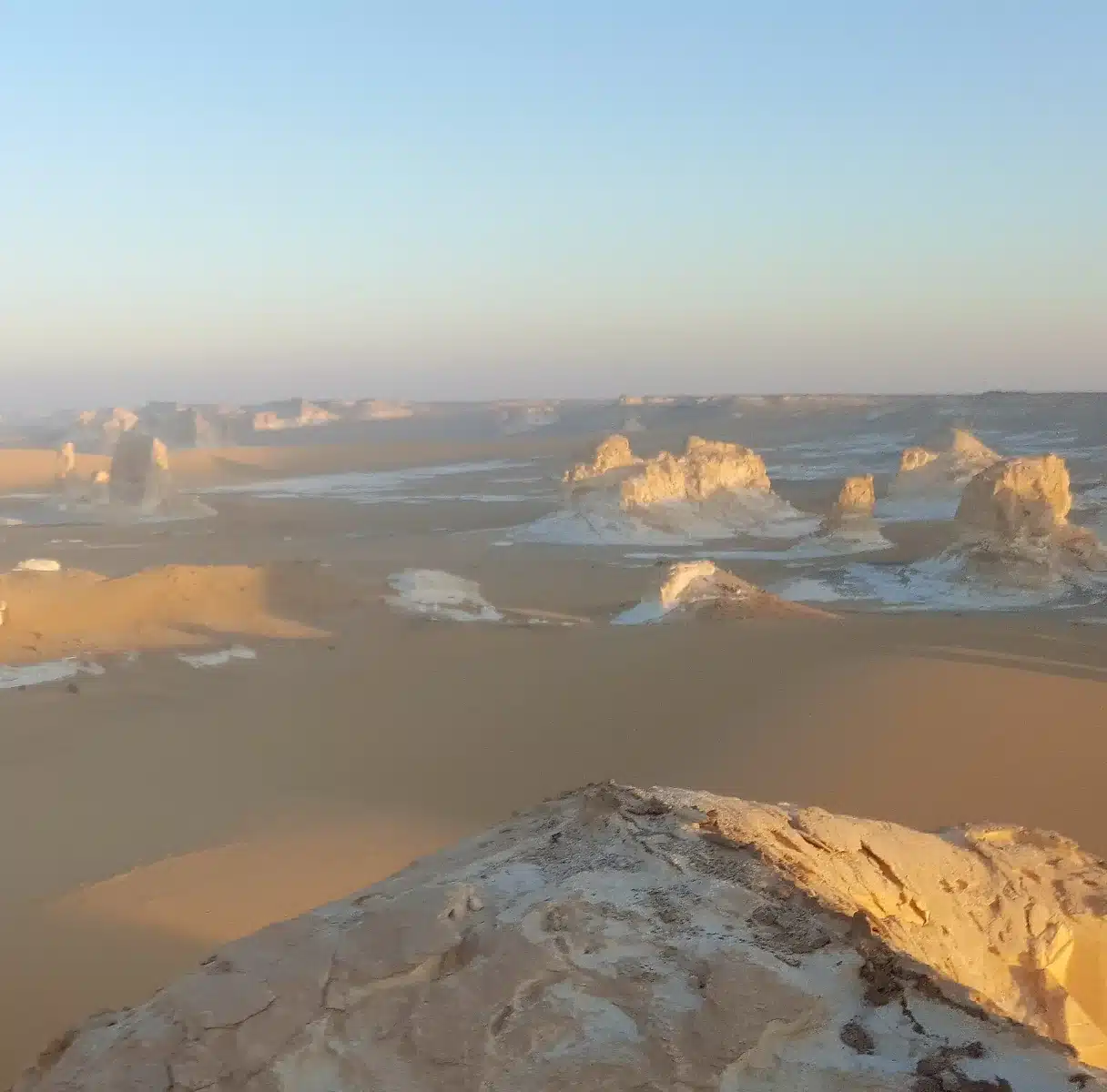
Weather checks to make before departure
- Check the regional forecast two or three days before travel.
- Ask the local operator about wind and route conditions, not only temperature.
- Confirm whether permissions or protected-area access affect the planned route.
- Recheck sleeping equipment if a cold night is expected.
- Agree on the decision process if severe conditions require a change.
Egypt’s official tourism portal introduces the Western Desert in its natural wonders overview and publishes a useful Deserts and Oases guide. Current on-ground advice from a licensed local team remains essential.
Frequently asked questions
Is December a good time for the White Desert?
Yes for comfortable daytime exploration and atmospheric camping, provided you bring proper cold-night layers and the operator supplies suitable bedding. Holiday dates may be busier.
Is January too cold?
January is not too cold for well-prepared travellers, but the night can feel surprisingly cold in wind. If you strongly dislike cold camping, choose November, March or a Bahariya accommodation plan.
Can I visit in July or August?
Extreme heat makes summer a poor default choice for most tourists. Discuss safer seasonal alternatives instead of treating an operator’s willingness to sell the trip as proof that it is comfortable.
When is the clearest sky?
No month guarantees clarity. Cool-season trips often offer excellent skies, but dust, wind and cloud can occur. Match the lunar phase to your stargazing or moonlit-landscape goal.
How early should I book?
For normal dates, book once your Cairo itinerary is stable. For Christmas, New Year and other high-demand periods, confirm earlier so you can compare vehicle, camp and cancellation details rather than accepting the last available option.
Choose your White Desert dates with a local guide
The best time to visit White Desert Egypt is the date when season, route and your comfort level align. Send us your travel month, Cairo hotel, party size, children’s ages and preferred number of nights. We will explain the likely day–night conditions and recommend a realistic private itinerary.
Compare the two private safari options
2-Day White Desert Safari
From $159 per person
Best when you have one free night and want the principal landscapes, 4×4 route and one desert camp.
3-Day White Desert Safari
From $219 per person
Best for two camping nights, more flexible light, Agabat Valley, dunes and a slower private pace.
Starting prices are per person. Your final private quote depends on party size, date, pickup point and confirmed inclusions.