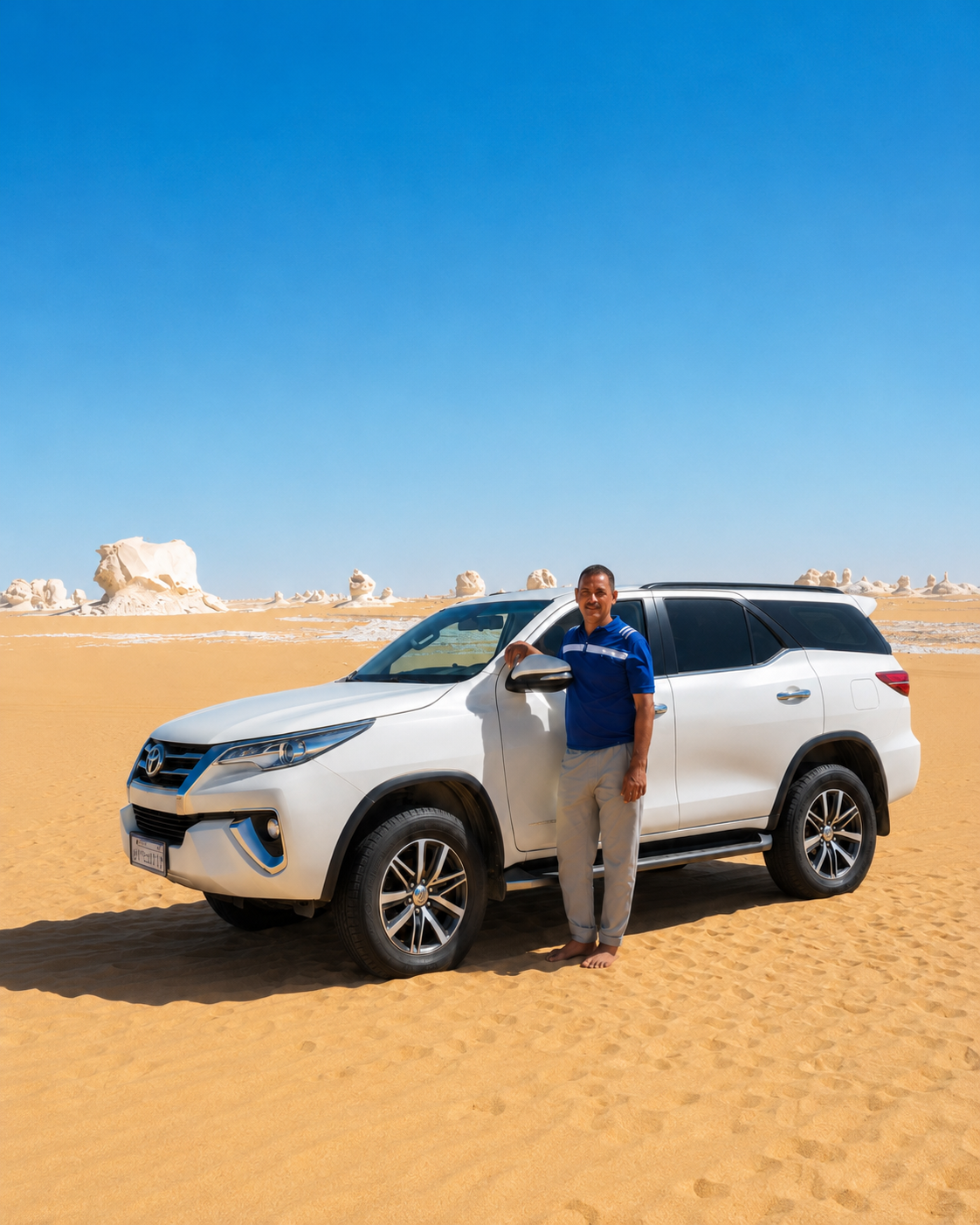
The first time I saw the Black Desert, I actually laughed out loud. I had spent my whole life around the golden dunes of the Western Desert, and then suddenly the sand turned dark, as if a giant had emptied a sack of pepper over the hills. My name is Khaled, I was born in the Bahariya Oasis, and I have been guiding travellers across these strange and beautiful lands since I was old enough to hold a steering wheel. If you are dreaming about a trip to Bahariya Oasis Egypt, let me be your friend for the next ten minutes and tell you what this place is really like.
Most people arrive knowing only two things: that Bahariya is somewhere in the desert, and that it is the usual starting point for the famous White Desert safari. Both are true. But Bahariya Oasis Egypt is so much more than a petrol stop on the way to somewhere else, and I promise you that by the end of this guide you will want to give it a day or two of its own.
Where is Bahariya Oasis, and how do you get there?
Bahariya Oasis sits about 365 kilometres south-west of Cairo, a comfortable four to five hour drive along a single desert highway. Unlike the remote Siwa, Bahariya is close enough to reach in a morning, which is exactly why it has become the gateway to Egypt’s Western Desert. You leave the noise of Cairo behind, watch the city dissolve into open sand, and somewhere around the halfway point you feel your shoulders drop for the first time in weeks.
The main town, Bawiti, is where most journeys begin. It is a friendly, dusty place of palm groves, fruit gardens, and low houses, home to a few thousand people who have lived off springs and date farming for centuries. From Bawiti, every great adventure in Bahariya Oasis Egypt is only a short 4×4 ride away.
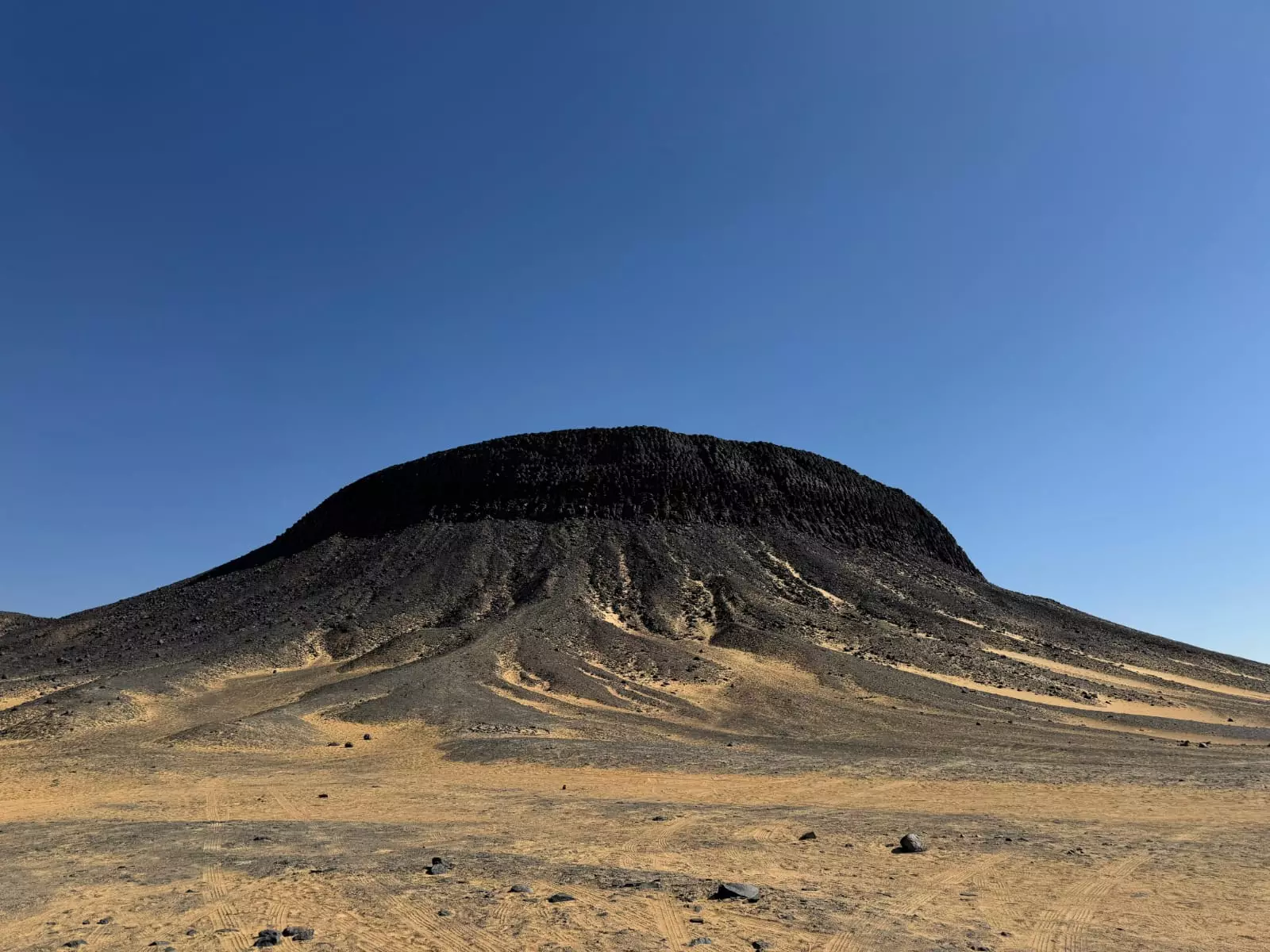
The Black Desert: why do the hills turn black?
Let me answer the question everyone asks me first. The Black Desert is not black sand in the way you might imagine. What you are looking at is a field of low, orange-brown mountains capped with a layer of dark volcanic rock, dolerite, that has crumbled over millions of years and scattered across the slopes like coal dust. From a distance the hills look scorched, almost menacing, and then you climb one and realise the black is actually thousands of small stones you can hold in your hand.
In Bahariya Oasis Egypt, I always stop the car and let people walk to the top of one of these cones. The view from up there, dark peaks marching to the horizon under an enormous sky, is one of those moments that makes the long drive from Cairo feel like nothing at all.
Can you really swim in natural hot springs here?
Yes, and it is my favourite way to end a dusty day. Bahariya is dotted with natural springs, some cold and some genuinely hot, bubbling up from deep underground. The most famous warm spring, often called Bir Sigam, sits just off the main road and stays pleasantly hot all year. After a day of driving across the Black Desert of Bahariya Oasis Egypt, sinking into that steaming water while the sun goes down is pure medicine for tired muscles.
A quick word of respect: many springs are used by local families, so women travellers usually swim in a t-shirt and shorts rather than a swimsuit, and it is polite to ask your guide which springs are best for a comfortable dip.
The Golden Mummies and the secrets of the sand
Here is the part of Bahariya Oasis Egypt that surprises almost everyone. In 1996, a donkey stumbled near an old temple, its leg sank into the ground, and it accidentally revealed one of the greatest archaeological finds in modern Egypt: the Valley of the Golden Mummies. Hundreds of Greco-Roman mummies, many wrapped and gilded in gold, had been sleeping under the Bahariya sand for two thousand years.
Some of the finest are now displayed in the small museum in Bawiti, alongside artefacts from the tombs of local nobles and the ruins of a temple to Alexander the Great, the only one of its kind in Egypt. You do not need to be a history buff to feel the weight of it. Standing a metre from a gilded face that has watched twenty centuries pass is the kind of thing you remember long after the tan has faded.
Crystal Mountain, salt lakes and the road to the White Desert
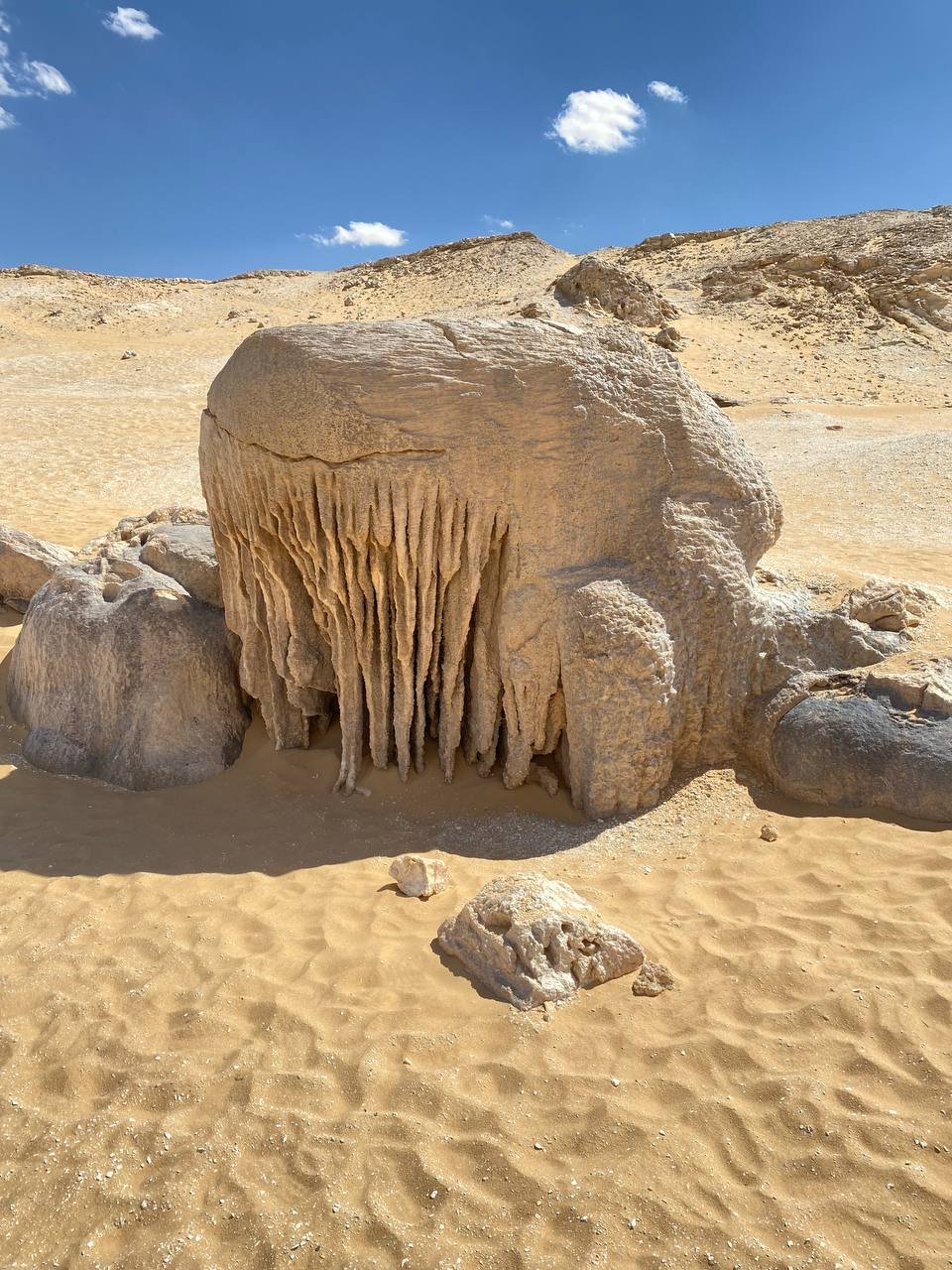
The magic of Bahariya is that it opens a door to an entire cast of wonders. Head south and you reach Crystal Mountain, a small ridge threaded with glittering quartz that catches the light like a chandelier left in the sand. Nearby lie hidden salt lakes so still and blue they look painted, and rolling golden dunes perfect for a bit of sandboarding.
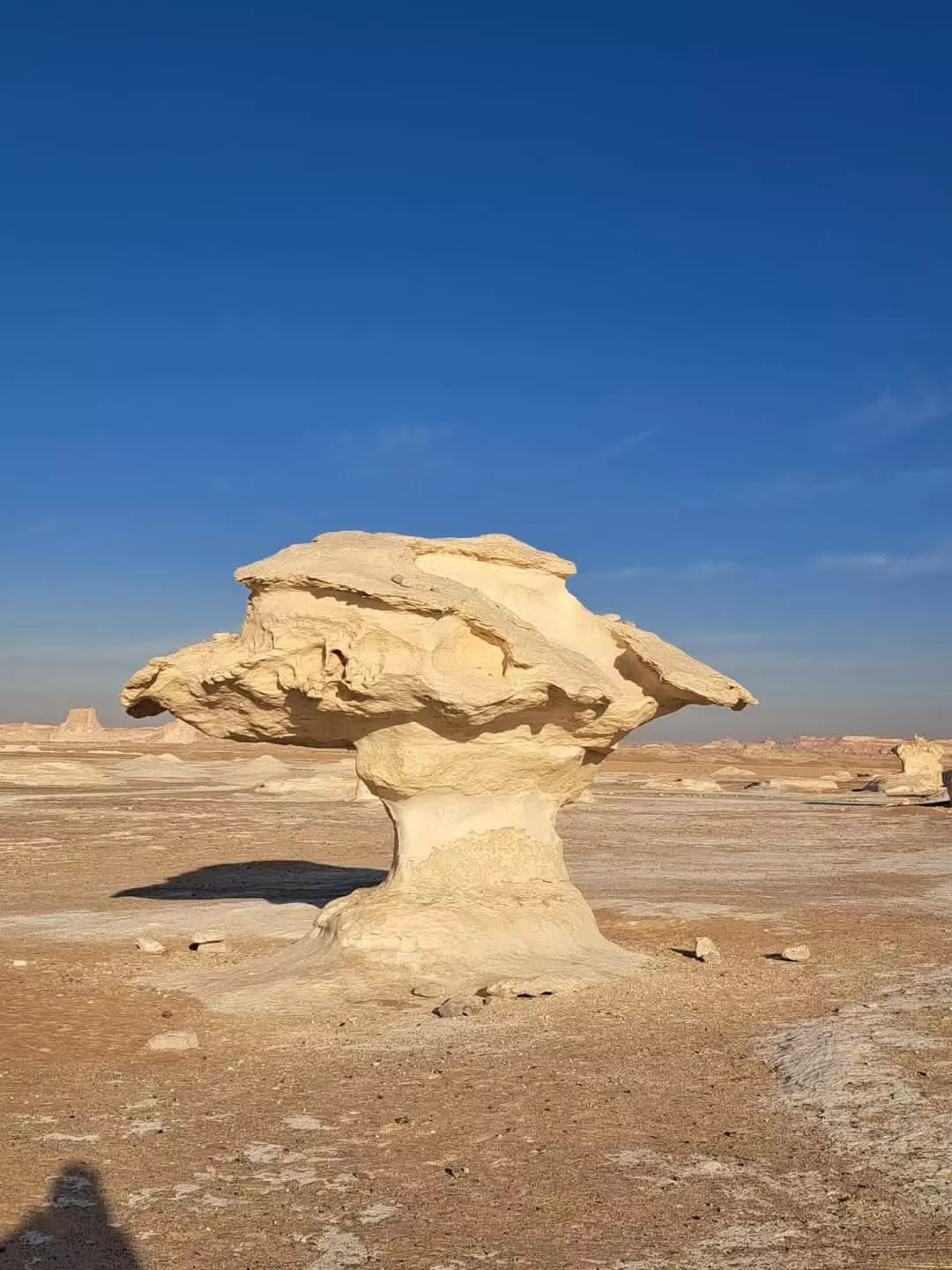
Keep going and the landscape changes colour entirely, from black to gold to blinding white, as you cross into the surreal chalk formations of the White Desert. Bahariya and the White Desert are two chapters of the same story, which is why almost every traveller combines them. If the ghostly white rocks are calling you, read my full White Desert Egypt safari guide to see what waits at the end of the road.
What is a night in the Bahariya desert actually like?
Photographs cannot capture a desert night in Bahariya Oasis Egypt. As the sun sets, my team sets up camp behind a sheltering dune, unrolls thick carpets, and lights a fire. Dinner is chicken or vegetables slow-cooked in the embers, fresh bread, and sweet Bedouin tea poured from a great height until it foams. Then the fire settles, the talking fades, and the sky takes over.
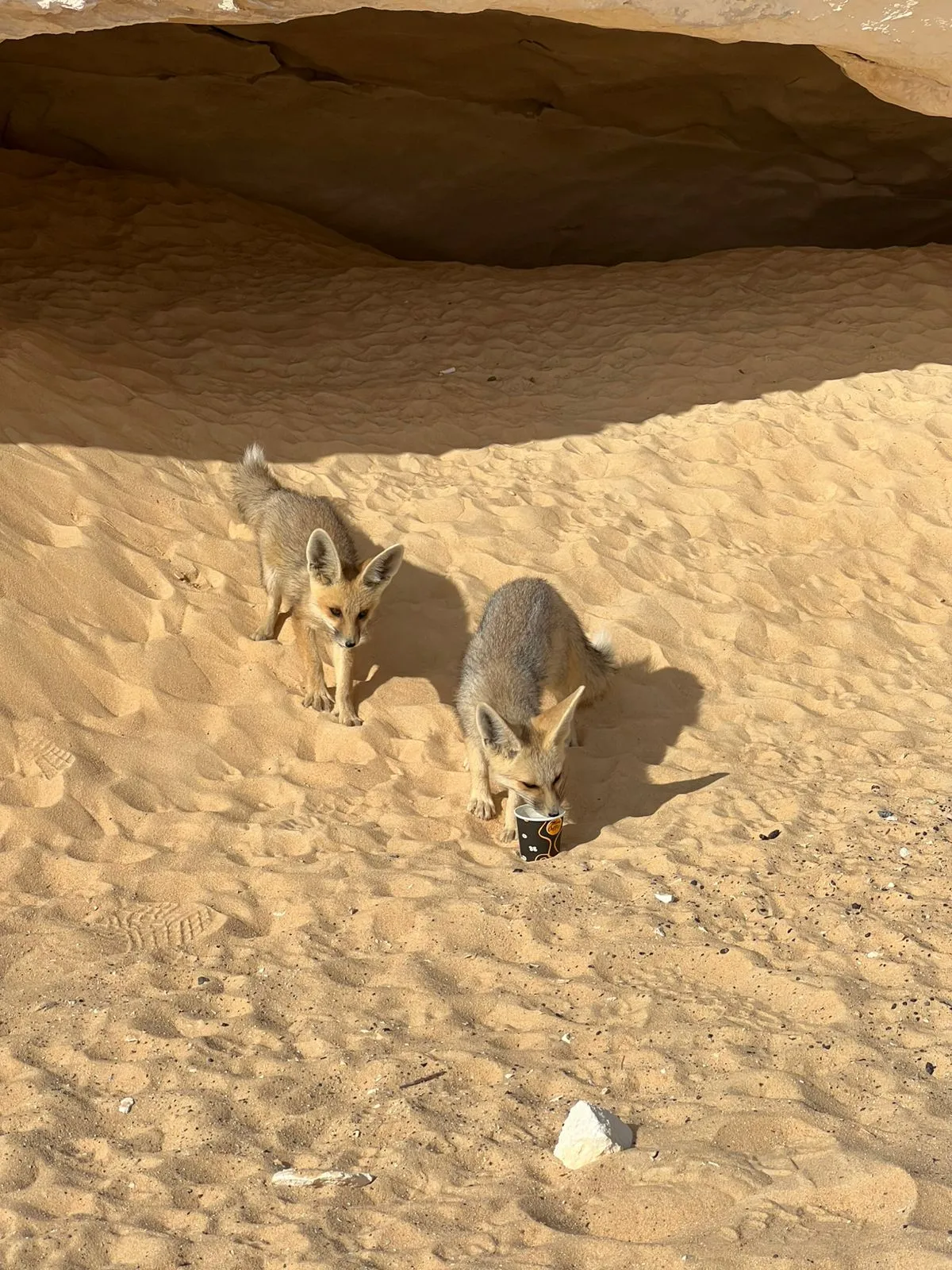
With no city glow for hundreds of kilometres, the Milky Way stretches across the whole dome of the sky like a bright river. If you are lucky, a tiny fennec fox, all ears and curiosity, will trot up to the edge of the firelight looking for scraps. These little desert foxes are the shy kings of the sand, and spotting one is a small miracle every single time.
When is the best time to visit Bahariya Oasis?
The kindest months to visit Bahariya Oasis Egypt run from October to April, when the days are warm and pleasant and the desert nights are crisp rather than freezing. Summer, from June to August, brings serious midday heat, so trips lean on early starts, hot-spring soaks, and evening drives. Whatever the season, remember that the desert grows surprisingly cold just before dawn, which happens to be the perfect time to be awake for a sunrise you will never forget.
What to pack for a Bahariya safari
- A warm layer and a hat, because desert nights get genuinely cold, even in summer.
- A headlamp or torch, so you are not stumbling around away from the fire.
- A swimsuit or t-shirt and shorts for the hot springs.
- Wet wipes and a small towel, since there are no showers in the deep desert.
- A power bank, because you will take far more photos than you expect.
- Sunglasses and strong sunscreen for the bright desert light.
Is Bahariya Oasis safe, and do I need a guide?
Yes to the first, and yes to the second. The oasis and its surrounding desert are welcoming and safe, but the tracks beyond the town are unmarked, phone signal vanishes, and the sand does not forgive navigation mistakes. Exploring with a licensed local 4×4 guide is not a limitation, it is the whole experience, because we know where the best camps hide, which springs are warmest, and which quiet corners the crowds never find. You can read more about the region on the official UNESCO listing for Egypt’s Western Desert oases.
How to plan your trip to Bahariya
Most travellers fold Bahariya into a desert loop from Cairo. The classic choice is the 2-Day Bahariya Oasis and White Desert Safari from Cairo, which pairs the Black Desert, hot springs and Golden Mummies with a magical night camping under the stars of the White Desert. If you love caves and want to go deeper off the beaten track, the Djara Cave Safari from Cairo adds a hidden stalactite cave few tourists ever see.
And if the desert has truly got under your skin, consider extending your Egyptian adventure to the palm-fringed springs of Siwa. My Siwa Oasis travel guide and my Fayoum desert guide will show you two more sides of Egypt that most visitors never see.
My one piece of advice, after all these years, is simple: do not treat Bahariya Oasis as a quick stop on the way to the White Desert. Climb a black hill, soak in a hot spring under the stars, and let the oasis breathe its ancient calm into you. Some places you pass through; Bahariya, if you let it, stays with you for good.
Frequently asked questions about Bahariya Oasis
How far is Bahariya Oasis from Cairo?
It is roughly 365 kilometres, about a four to five hour drive along a single desert highway, which makes Bahariya Oasis Egypt one of the easiest desert escapes to reach from the capital.
Can you visit Bahariya as a day trip?
You can, but you would miss the best part: the desert night sky and the hot springs at sunset. An overnight safari is strongly recommended to truly feel the place.
What is the difference between the Black Desert and the White Desert?
The Black Desert near Bahariya is a field of hills capped in dark volcanic rock, while the White Desert further south is made of surreal white chalk formations. Most tours visit both in one trip.
Is it cold at night in Bahariya?
Yes, surprisingly so. Even after hot days, desert temperatures drop sharply after dark, so a warm layer and a good sleeping bag make all the difference around the campfire.