One Long Day. Thousands of Years of History.
Quick Answer
Is a Luxor day trip from Hurghada worth it? For many first-time visitors, yes.
You accept a very early start, approximately seven to nine total hours on the road and a full day that may last 14 to 16 hours. In return, you can visit the Valley of the Kings, Hatshepsut Temple, the Colossi of Memnon and Karnak in one day while returning to your Red Sea hotel that evening.
The trip makes the most sense for travelers who love ancient history, have limited Egypt time and do not want to change hotels.
It makes less sense for travelers who dislike long drives, want a relaxed Luxor evening, need a hot-air balloon experience, want Luxor Temple properly, or are traveling with very young children who struggle with early starts.
| The trip is probably worth it if | An overnight trip may be better if |
|---|---|
| You have never visited Luxor | You want Luxor Temple and sunset |
| Ancient Egypt is a major interest | You want a hot-air balloon |
| You can handle a long day | You dislike long road journeys |
| You only want one Red Sea day away | You want slower temple visits |
| You prefer returning to the same hotel | Your children tire easily |
| You want the main West Bank and Karnak highlights | Mobility needs require more rest |
A poorly organized group tour can feel longer than necessary because of multiple hotel pickups, large-group waiting and shopping stops. A well-run private day does not shorten the road, but it can protect more of the day for the places you came to see.
Still Deciding if the Drive Is Worth It?
Tell Ahmed your hotel, group size and biggest concern. He can tell you honestly whether the one-day trip or a slower overnight plan fits you better.
What Do You Actually Get for the Long Drive?
How Long Is the Day?
This is where honest expectations matter.
A same-day private trip usually requires:
- approximately 3.5 to 4.5 hours from the Hurghada region to Luxor
- around 5 to 7 hours divided between sightseeing, lunch and transfers within Luxor
- approximately 3.5 to 4.5 hours back to the Red Sea
The full door-to-door day often lasts 14 to 16 hours.
A traveler leaving around 4:30 or 5:00 AM may return in the evening.
The exact time depends on the hotel location, current road conditions, checkpoints, traffic and the pace of the party.
Nobody can make the Eastern Desert road disappear.
The correct question is whether the historical reward justifies one long day from your holiday.
For many travelers, it does.
What Makes the Journey Worth It?
You see a different side of Egypt
Hurghada alone cannot show you the Nile Valley or the royal necropolis of Thebes.
The sites are globally significant
The Valley of the Kings and Karnak are not substitute attractions. They are central to many travelers’ idea of ancient Egypt.
You avoid changing hotels
A day trip lets you keep your Red Sea room, luggage and resort routine.
You use one day efficiently
Travelers with a short Egypt holiday can combine beach time and major cultural sightseeing without adding a domestic flight or another hotel booking.
A private format can reduce friction
A private vehicle does not reduce the distance, but it can remove multi-hotel collection loops, group waiting and unrelated shopping stops.
The Valley of the Kings
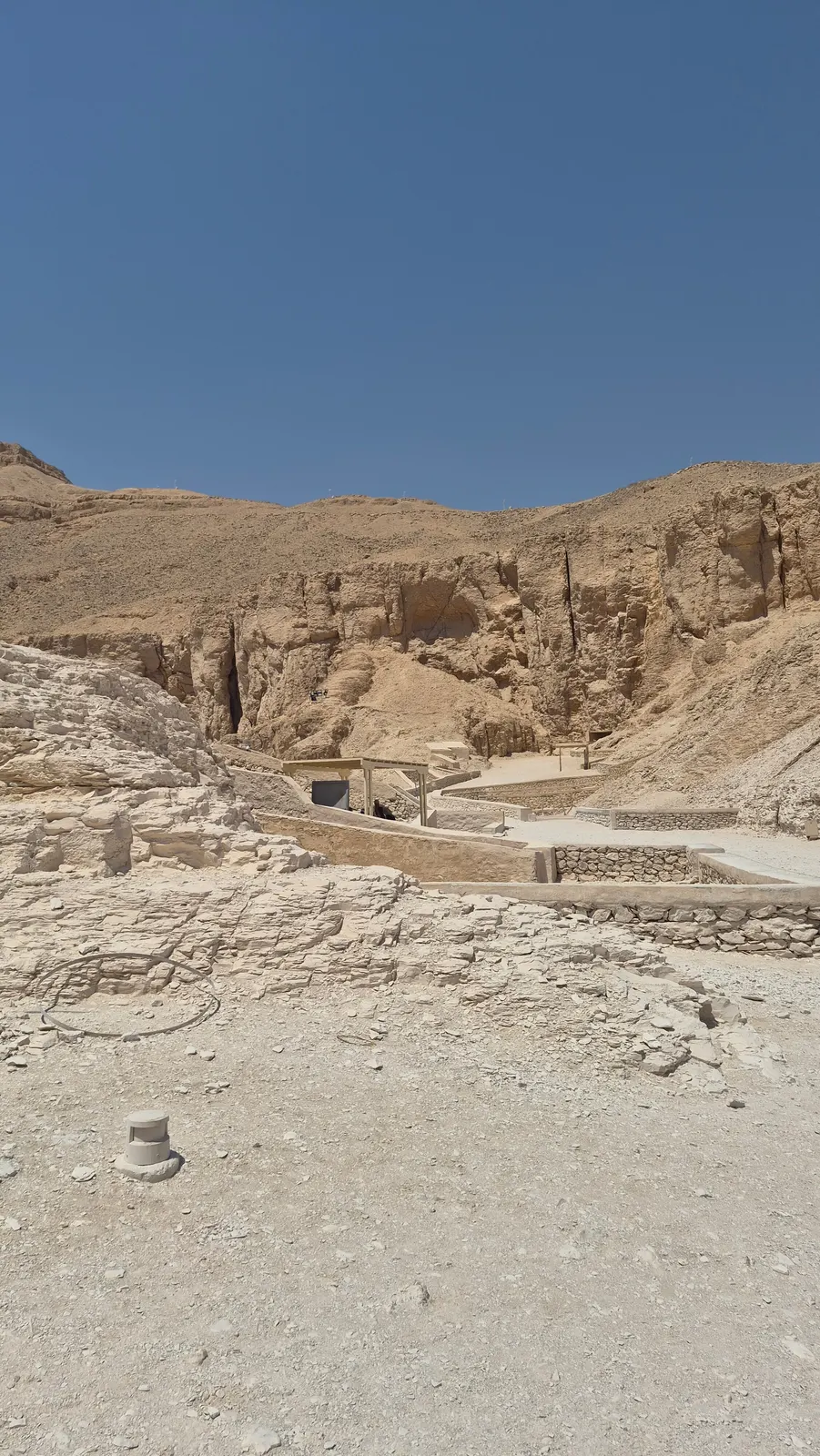
For many travelers, this is the emotional centre of the day.
The desert valley is visually restrained from the outside. The drama lies underground.
Royal tombs descend into the limestone and contain painted funerary texts, divine figures and symbolic journeys through the afterlife.
The standard ticket normally allows entry to three regular tombs from the selection open on the day. The open list can rotate for conservation and operating reasons.
That is why a responsible itinerary should not promise a specific standard tomb months in advance.
Your Egyptologist can explain the available choices and help you select three suitable tombs.
Premium tombs are separate.
Tutankhamun’s tomb is famous because of its discovery and the objects found inside, but the tomb itself is comparatively modest in scale and decoration.
Seti I is longer, deeper and richly decorated, but the premium ticket is significantly more expensive.
The right choice depends on what interests you.
A good day trip does not force every guest to pay for premium tombs they may not want.
Hatshepsut Temple
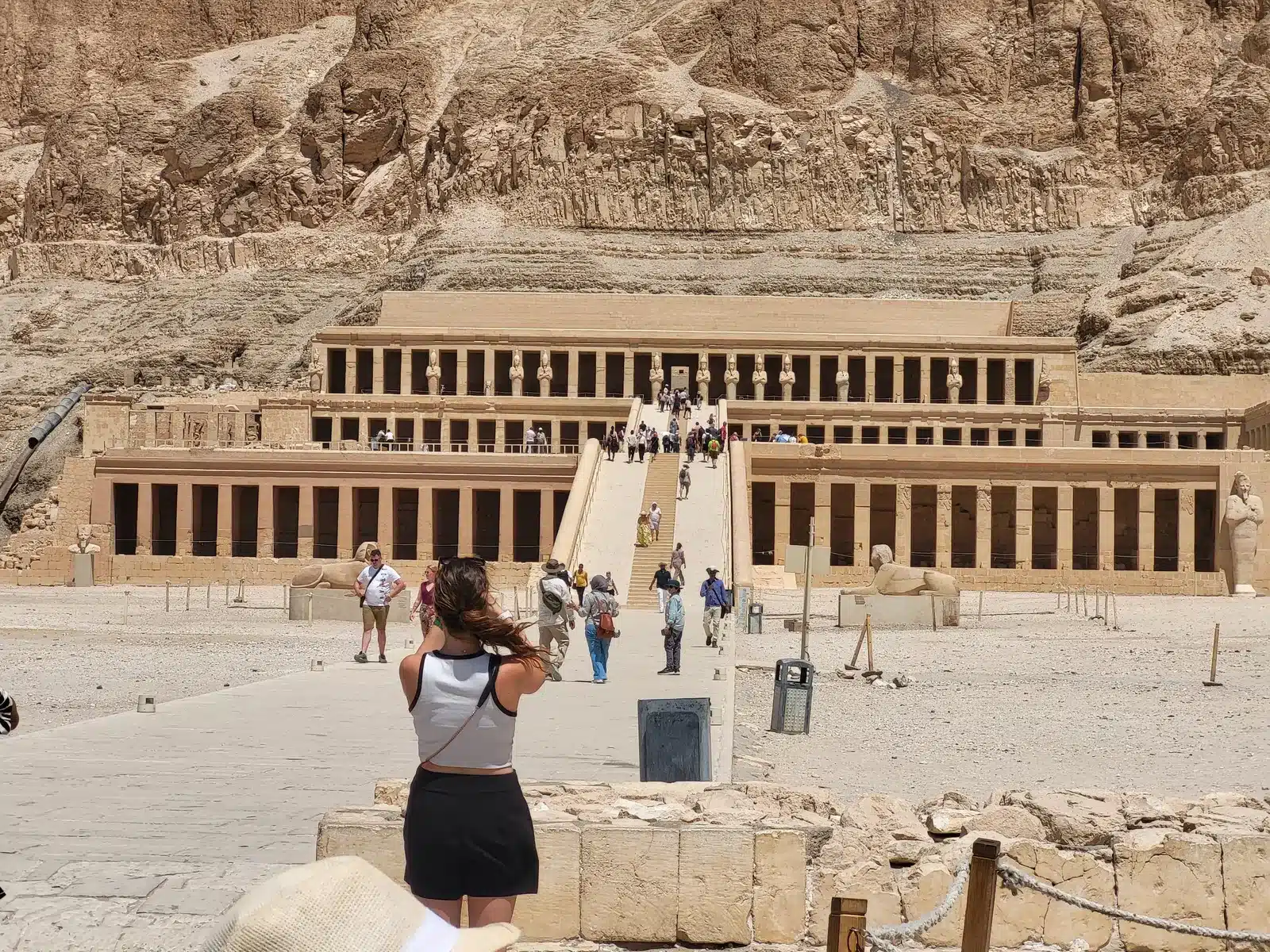
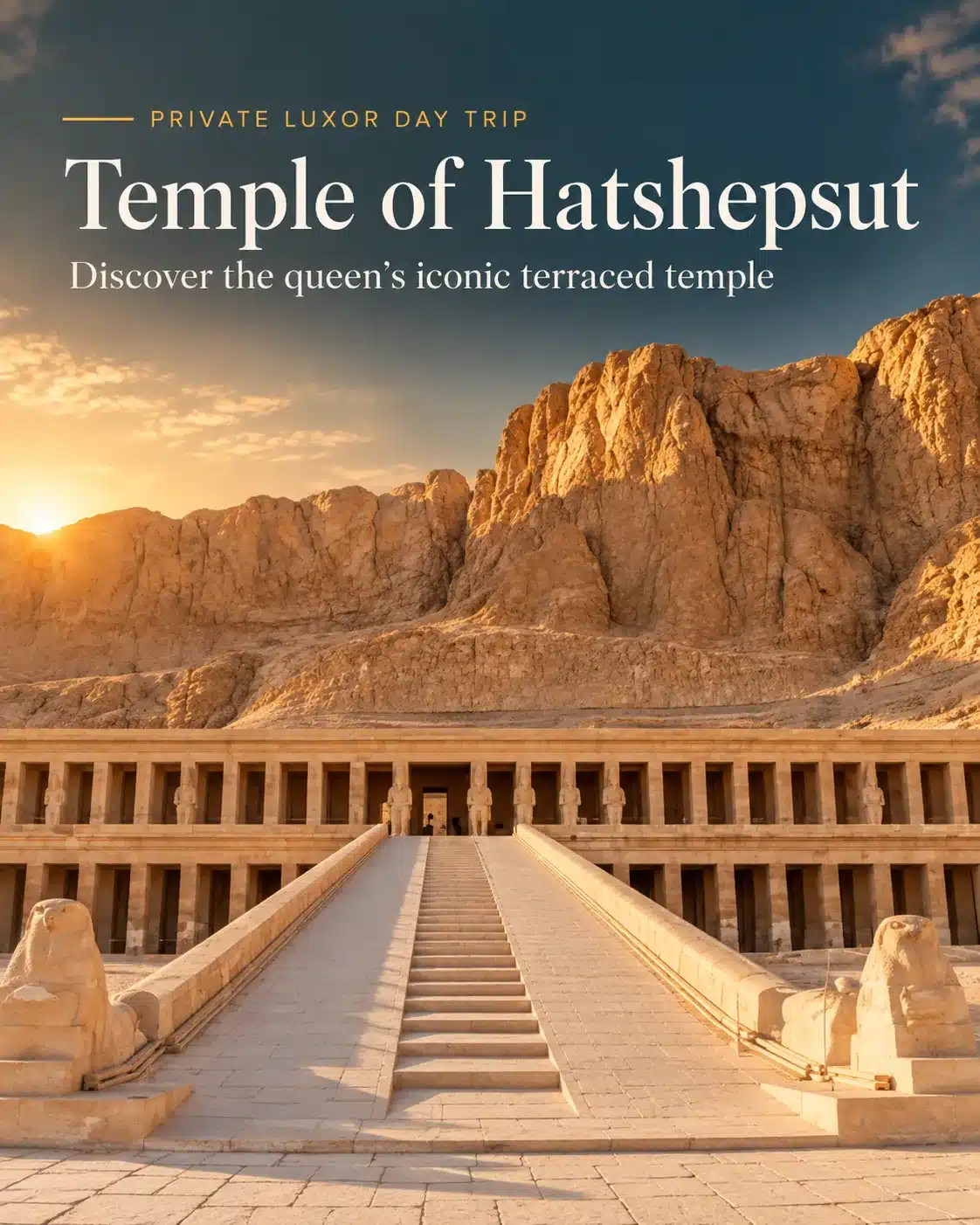
The Temple of Hatshepsut creates a complete visual change after the Valley.
Its terraces rise against the cliffs of Deir el-Bahari.
The architecture feels ordered and open after the enclosed tomb passages.
The site also introduces one of ancient Egypt’s most remarkable rulers.
Hatshepsut’s monument includes scenes connected with her divine birth, the expedition to Punt and her relationship with Amun.
The temple visit is usually shorter than the Valley or Karnak, but it is not filler.
It gives the West Bank itinerary architectural variety and an important historical story.
The Colossi of Memnon
The Colossi are normally a short stop.
That is appropriate.
The two monumental statues once stood at the entrance to the mortuary temple of Amenhotep III.
They are impressive and easy to photograph, but a well-balanced one-day program should not sacrifice substantial Valley or Karnak time simply to lengthen this stop.
Fifteen to twenty minutes is usually enough for context and photographs.
Karnak Temple
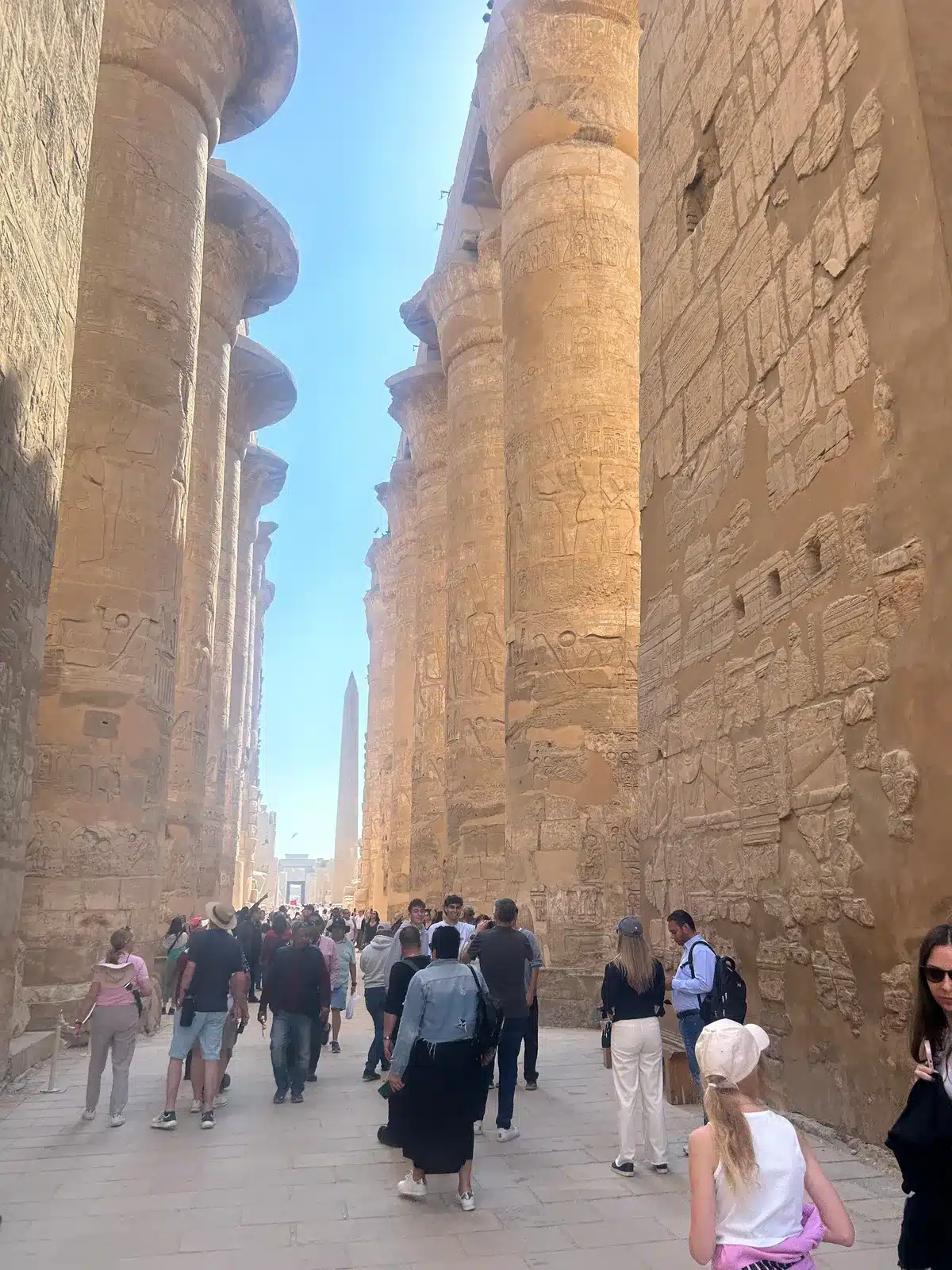
Karnak is the major East Bank visit.
Many travelers who expect “another temple” are surprised by its scale.
The complex developed across centuries and contains temples, chapels, pylons, obelisks, courts and a sacred lake.
The Great Hypostyle Hall is usually the defining experience.
Its forest of 134 columns creates a sense of scale that photographs struggle to communicate.
Karnak needs real time.
A rushed thirty-minute visit would weaken the entire day.
Around 1.5 to 2 hours allows a guide to explain the core history while leaving time to look and photograph.
How Much Time Is Spent Sightseeing?
A realistic private day might provide:
| Part of the day | Approximate time |
|---|---|
| Valley of the Kings | 1.5 to 2 hours |
| Hatshepsut Temple | 45 to 60 minutes |
| Colossi of Memnon | 15 to 20 minutes |
| Lunch and Nile crossing | 60 to 90 minutes |
| Karnak Temple | 1.5 to 2 hours |
| Local transfers and practical pauses | Variable |
That creates roughly five to seven hours in and around Luxor.
The balance is important.
A cheaper tour that advertises more sites is not automatically better if it gives each site very little time.
What the Road Feels Like
The outbound journey usually begins in darkness or early dawn.
Many travelers sleep for part of the drive.
The route crosses dry Eastern Desert scenery before reaching the greener Nile Valley.
A short comfort stop is useful.
The return feels longer because the major sightseeing is finished and everyone is tired.
This is one reason vehicle quality, air conditioning and private pacing matter.
It is also why the tour is not suitable for every traveler.
If you know that four hours in a vehicle leaves you uncomfortable or frustrated, an overnight stay may be a better investment.
Private vs Group in Brief
A group tour is usually cheaper.
For budget-focused travelers, that may be the correct choice.
A private tour normally offers:
- direct pickup rather than a long collection loop
- more control over site pacing
- easier bathroom and rest stops
- guide attention focused on your party
- less pressure to follow unrelated travelers
- better flexibility for children and mobility needs
- a stronger chance of avoiding unwanted shopping stops
The complete decision is covered in the separate guide Private vs Group Luxor Tour from Hurghada: Which Is Better?
One Day vs One Night
The one-day version is best when the priority is efficiency.
The overnight version is better when the priority is depth.
An overnight stay can add:
- Luxor Temple
- sunset or evening time beside the Nile
- a hot-air balloon
- a slower Valley visit
- better rest between road journeys
- more flexible dining and hotel time
The downside is another hotel, another night away from the resort and a higher total cost.
The one-day trip is not an inferior overnight tour.
It is a different product for a different schedule.
A Realistic Daily Schedule
A workable private schedule may look like this:
| Approximate time | Plan |
|---|---|
| 4:30 to 5:00 AM | Direct hotel pickup |
| Early morning | Drive toward Luxor |
| Morning | Valley of the Kings |
| Late morning | Hatshepsut Temple and Colossi |
| Midday | Lunch and possible Nile crossing |
| Afternoon | Karnak Temple |
| Late afternoon | Begin return journey |
| Evening | Return to Hurghada resort |
This is an operational framework, not a guarantee that every checkpoint and road segment will run to the minute.
The benefit of private planning is the ability to adapt while protecting the main visits.
Make the Long Day Feel Simple
A private driver, one Egyptologist and a realistic site order remove much of the friction from an already ambitious day.
Is It Worth It for Families?
It depends on the children.
Families with school-age children who enjoy history may find Luxor unforgettable.
The private format helps because breaks and pacing can adapt.
However, the very early start and long return drive are real.
For toddlers or children who struggle with long vehicle journeys, an overnight itinerary may be easier.
Parents should consider:
- road tolerance
- sleep routine
- heat tolerance
- walking and tomb steps
- whether the children are interested in archaeology
- how the family usually handles long excursion days
A private tour can improve the day.
It cannot change the child’s temperament or remove the distance.
Is It Worth It for Older Travelers?
Age alone does not determine suitability.
Mobility and endurance matter more.
The Valley can involve slopes, uneven surfaces and tomb steps.
Hatshepsut Temple includes open outdoor walking.
Karnak is large.
A private vehicle helps between sites, and the itinerary can be adjusted, but guests should disclose mobility limitations before confirmation.
A slower overnight itinerary may be better for someone who needs regular rest.
Is It Worth It for Couples and Solo Travelers?
For couples, the private day can be an efficient and memorable contrast to a resort holiday.
For solo travelers, the economics are different because the vehicle and guide are not shared across several paying guests. The total is higher than a group seat, but the day remains fully private.
Solo travelers should compare:
- privacy
- total cost
- guide attention
- comfort
- willingness to join a larger group
Neither model is universally correct.
Summer vs Winter
Luxor is hot for much of the year, and summer heat can be intense.
An early West Bank start is especially valuable in hotter months.
Hat, sunscreen, breathable clothing and regular water matter.
Winter can offer more comfortable daytime sightseeing, but early departures may feel cooler in the vehicle and after sunrise.
Season changes comfort.
It does not change the distance.
Shopping Stops and Time Loss
One of the most common frustrations in long excursion programs is the feeling that sightseeing time is being redirected toward commercial stops.
An alabaster workshop or souvenir visit can be enjoyable if the traveler wants it.
It becomes a problem when it is presented as unavoidable or consumes time needed for the Valley or Karnak.
Ask before booking:
- Are shopping stops compulsory?
- Can we skip them?
- Does the itinerary include an “alabaster village”?
- How much site time is protected?
Our recommended private itinerary includes no compulsory shopping stops.
What All-Inclusive Should Mean
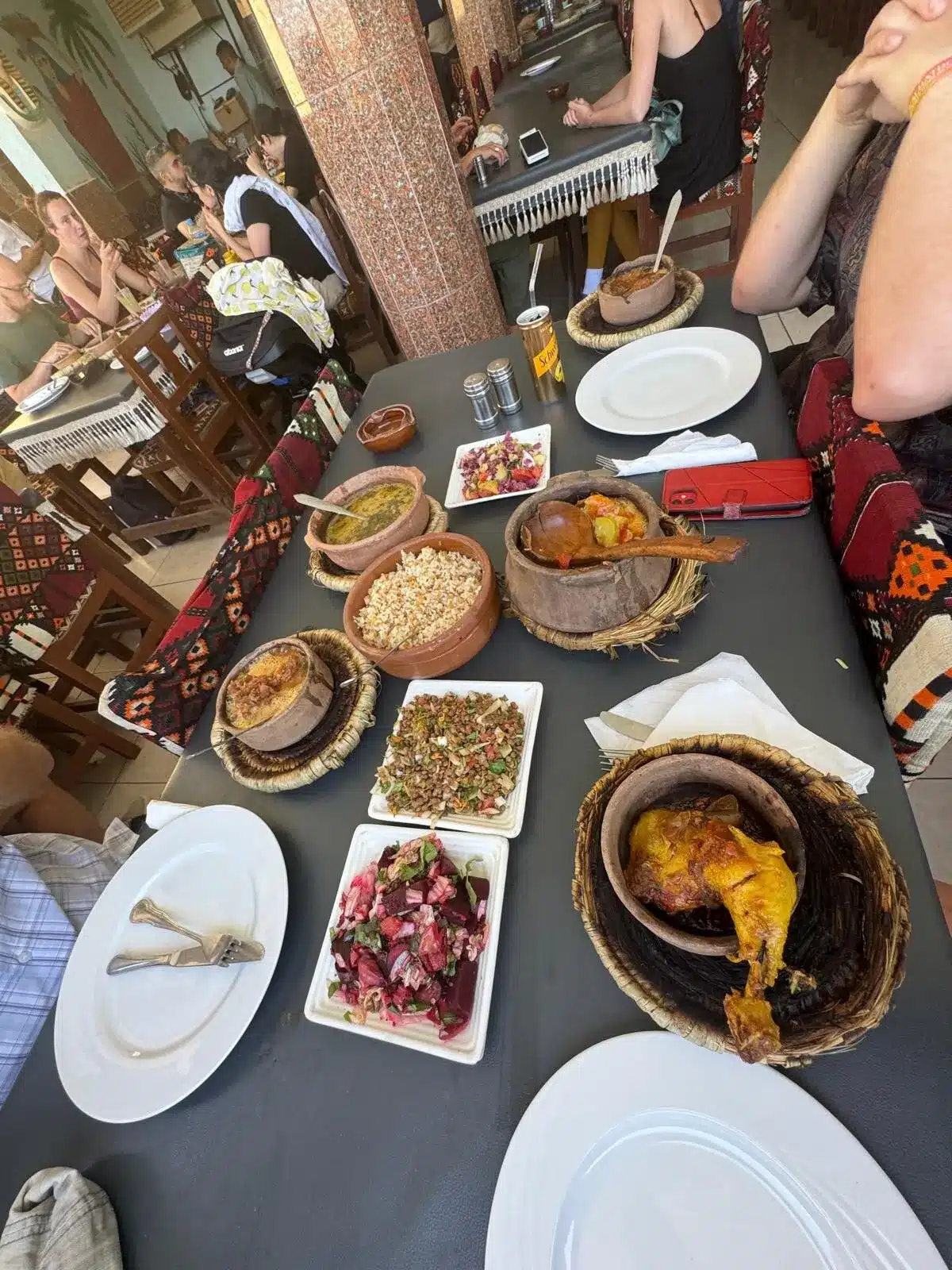
The phrase should be defined, not assumed.
A strong all-inclusive Luxor day should clearly state whether it includes:
- private transport
- licensed guide
- Valley standard ticket
- Hatshepsut ticket
- Karnak ticket
- lunch
- water
- Nile crossing
- road costs and service charges
Premium tombs should remain clearly separate.
The traveler should know the final mandatory total before departure.
Optional Tombs
Tutankhamun and Seti I are not standard-ticket tombs.
Do not select them simply because they are famous.
Tutankhamun offers the emotional connection to the 1922 discovery and the king’s burial chamber.
Seti I offers a much larger, deeply decorated premium tomb.
The decision depends on time, budget, physical comfort and interest.
What to Bring
- Passport or identification if requested
- Comfortable walking shoes
- Hat
- Sunscreen
- Sunglasses
- Personal medication
- Light layer for the air-conditioned vehicle
- Phone or camera
- Power bank
- A hotel breakfast box if available
Avoid carrying unnecessary large bags into a long sightseeing day.
Common Mistakes
Expecting a relaxed half-day
This is a full-day expedition from the Red Sea.
Choosing only by the cheapest headline price
Check tickets, lunch, pickup area and shopping stops.
Adding too many sites
Luxor Temple, several premium tombs and long shopping stops can weaken the core program.
Ignoring resort location
El Gouna, Makadi Bay, Sahl Hasheesh, Soma Bay and Safaga create different pickup logistics.
Booking a group tour while expecting private pacing
The lower price comes with a different operating model.
Hiding mobility or dietary needs
Share them before the vehicle and restaurant plan are confirmed.
When the Day Trip Is the Right Choice
Choose the same-day trip if:
- you want the major Luxor highlights
- you have only one day available
- you prefer not to change hotels
- you can handle the long drive
- you want to return to your resort at night
- Valley of the Kings and Karnak are your priorities
- you do not need a balloon or Luxor Temple
When You Should Stay Overnight
Choose the overnight option if:
- you dislike very long same-day travel
- you want a hot-air balloon
- Luxor Temple matters
- you want sunset or evening time in Luxor
- children need more rest
- mobility needs require a slower pace
- you want deeper temple and tomb visits
- you would rather split the return drive from the sightseeing day
Is a Luxor Day Trip from Hurghada Worth It? Final Verdict
So, is a Luxor day trip from Hurghada worth it?
For a history-focused first-time visitor with limited Egypt time, yes.
The drive is long, and the day should never be sold as effortless.
But the reward is substantial.
You move from the Red Sea to the royal burial ground of Thebes, walk through one of Egypt’s most distinctive temples and finish inside the columns of Karnak.
A private tour is not necessary for every traveler, but it can make the day feel more intentional by removing group collection loops, reducing waiting and protecting time at the sites.
The day trip is not the right choice if you want a slow Luxor experience.
It is the right choice if you want to use one resort day to encounter some of ancient Egypt’s most important monuments and still sleep in your Hurghada hotel that night.
Ready to Trade One Beach Day for Ancient Thebes?
Send your hotel, date and party size. Ahmed will confirm the private schedule, pickup and final rate before payment.
Frequently Asked Questions
Is a Luxor day trip from Hurghada worth the drive?
For most first-time visitors who are interested in ancient history, yes. The trip is long, but the Valley of the Kings, Hatshepsut Temple and Karnak provide a major contrast to a Red Sea resort stay.
How long is the drive?
Usually around 3.5 to 4.5 hours each way, depending on the hotel location, current traffic, checkpoints and route conditions.
How long is the complete day?
Approximately 14 to 16 hours door to door is a realistic expectation.
Is one day enough for Luxor?
One day is enough for a focused visit to the Valley of the Kings, Hatshepsut Temple, the Colossi of Memnon and Karnak. It is not enough for a slow, complete Luxor experience.
What do you miss on a one-day tour?
You normally miss Luxor Temple, an evening in the city, a hot-air balloon and deeper time at additional sites.
Is the trip exhausting?
It can be tiring because of the early start, long road and walking. Vehicle quality, direct pickup and realistic pacing make a major difference.
Is a private tour better?
A private tour usually provides direct pickup, flexible pacing and more guide attention. A group tour is normally cheaper.
Is it suitable for children?
It can be suitable for children who tolerate long road journeys and enjoy history. Very young children may find an overnight trip easier.
Is it suitable for older travelers?
Potentially, but mobility requirements should be discussed because some tombs involve steps and uneven ground.
Are tickets included?
That depends on the product. The Egypt Safari Travel private all-inclusive offer includes the standard Valley, Hatshepsut and Karnak tickets.
Is Tutankhamun’s Tomb included?
No. It requires a separate premium ticket.
Is Seti I included?
No. It requires a separate premium ticket.
Are there forced shopping stops?
Not in the recommended private itinerary.
Is lunch included?
Yes in the all-inclusive private product.
What time is pickup?
Usually around 4:30 to 5:00 AM, with the final time confirmed for the hotel.
What time is return?
Usually in the evening. The exact time cannot be guaranteed.
Can I do a hot-air balloon on the same day?
Not sensibly within the standard road day from Hurghada. Choose an overnight itinerary.
Should I choose one day or two?
Choose one day for efficiency. Choose two days for Luxor Temple, ballooning, slower visits and more rest.
Is winter better than summer?
Winter is generally more comfortable for outdoor sightseeing. The tour operates in different seasons, but summer requires more serious heat planning.
Can I be picked up from El Gouna or Makadi?
Yes, subject to final route and pickup pricing.
What should I wear?
Light, comfortable clothing, walking shoes, hat and sun protection. Bring a light layer for the air-conditioned vehicle.
Official Sources and Related Planning
- Ministry of Tourism and Antiquities: Valley of the Kings
- Ministry of Tourism and Antiquities: Karnak
- Ministry of Tourism and Antiquities: Hatshepsut Temple
- Private Luxor Day Trip from Hurghada
- Hurghada to Luxor: Distance, Travel Time and Best Transport
- Private vs Group Luxor Tour from Hurghada: Which Is Better?